
Often overlooked, sunflower seeds are a nutrient-dense, underrated superfood that deserves a spot in your daily routine. Packed with healthy fats, protein, and essential vitamins, these tiny seeds support heart health, promote glowing skin, boost energy levels, and even help stabilize mood. So, what are sunflower seeds good for? You’re about to find out. In this article, we’ll dive into the daily benefits of sunflower seeds, explore their full nutritional profile, show you creative ways to eat them, and highlight potential risks to watch out for.
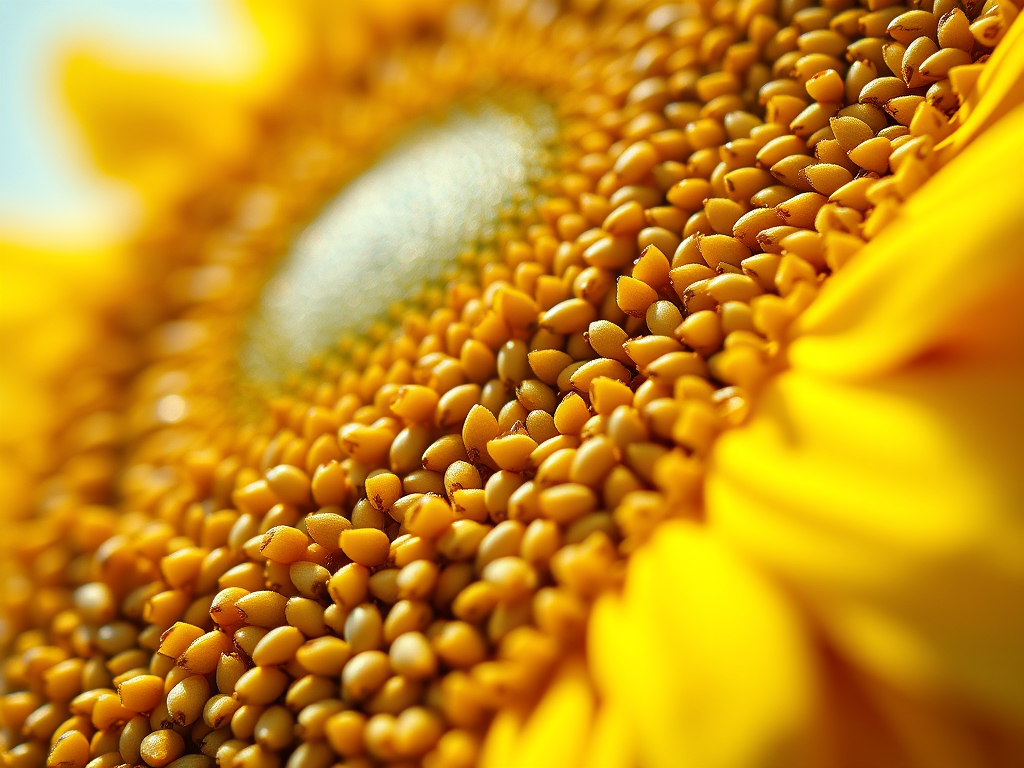
Nutritional Profile of Sunflower Seeds
Sunflower seeds pack an impressive nutritional punch, making them a smart addition to any healthy diet. Rich in healthy fats, plant-based protein, and dietary fiber, they offer lasting energy and satiety. When it comes to micronutrients, sunflower seeds shine with high levels of Vitamin E, selenium, magnesium, zinc, and folate, all of which support immune function, brain health, and cellular repair. They’re also loaded with antioxidants and phytosterols, compounds known to reduce inflammation and improve heart health. Compared to other seeds like pumpkin or chia, sunflower seeds offer a more balanced mix of essential nutrients and are especially noted for their Vitamin E content. Curious about the numbers? We’ll break down the sunflower seeds nutrition facts per 100g in the next section.
Sunflower Seeds Nutrition Facts per 100g
Understanding the exact nutritional content of sunflower seeds helps highlight why they’re such a powerful superfood. Here are the key sunflower seeds nutrition facts per 100g:
- Calories: ~584 kcal
- Protein: 20.8g
- Total Fat: 51.5g
- Saturated Fat: 4.5g
- Polyunsaturated Fat: 23g
- Monounsaturated Fat: 19.5g
- Carbohydrates: 20g
- Fiber: 8.6g
- Sugars: 2.6g
- Vitamin E: 35.2 mg (over 230% of the daily recommended intake)
- Magnesium: 325 mg (around 80% of the daily value)
- Selenium: 53 mcg
- Zinc: 5 mg
- Folate: 227 mcg
These seeds are a nutrient powerhouse, especially high in Vitamin E and healthy fats. Their dense nutritional content supports cardiovascular health, energy production, and skin repair, making them a smart snack or meal addition for those aiming for a well-rounded diet.
Top Health Benefits of Sunflower Seeds
Sunflower seeds aren’t just a crunchy snack—they’re a superfood loaded with nutrients that support multiple aspects of your health. Let’s explore the top scientifically-backed benefits:
A. Heart Health
Rich in healthy fats and phytosterols, sunflower seeds help reduce LDL (bad) cholesterol, lowering your risk of heart disease. Their high content of unsaturated fats and plant compounds makes them especially supportive for cardiovascular wellness. So, are sunflower seeds heart healthy? Absolutely—they’re a heart-smart choice.
B. Skin and Hair Health
Sunflower seeds are packed with Vitamin E, a powerful antioxidant that protects skin cells from oxidative stress and supports a natural glow. Regular consumption may improve skin texture and reduce signs of aging. For more on this, check out our linked post → Top Vitamins for Healthy Skin.
Keyword to remember: sunflower seeds for glowing skin.
C. Mood and Energy Booster
Feeling drained or irritable? Sunflower seeds are high in magnesium and B vitamins, which are known to combat fatigue and promote emotional balance. These nutrients play a critical role in nervous system function, helping you feel more energized and mentally focused.
Curious if they help? Try searching can sunflower seeds boost energy and mood?
D. Blood Sugar Control and Anti-Inflammatory Effects
Thanks to their fiber content, sunflower seeds can slow the absorption of sugar into the bloodstream, aiding in blood sugar control—a major benefit for people with or at risk of diabetes. They also contain antioxidants that help fight chronic inflammation.
Search-friendly keyword: sunflower seeds and diabetes.
E. Immune Support
Loaded with zinc and selenium, sunflower seeds help keep your immune system sharp. These nutrients play a vital role in immune response, cell repair, and protection against oxidative stress.
So next time you’re wondering do sunflower seeds help boost immunity, know that science says yes.
With all these benefits, sunflower seeds are clearly more than a snack—they’re a daily dose of wellness in every bite.
How to Eat Sunflower Seeds Daily
Incorporating sunflower seeds into your diet is simple—and delicious! The recommended serving size is about 28 grams (1 ounce) per day, which equals roughly a small handful or ¼ cup. This provides plenty of nutrients without going overboard on calories or fat. If you’re wondering how many sunflower seeds per day is healthy, that’s your sweet spot.
You can enjoy them in different forms:
- Raw: Best for maximum nutrient retention.
- Roasted: Offers a deeper flavor but check for added salt or oils.
- Sprouted: Easier to digest and slightly higher in bioavailable nutrients.
Need ideas? Here are some of the best ways to eat sunflower seeds:
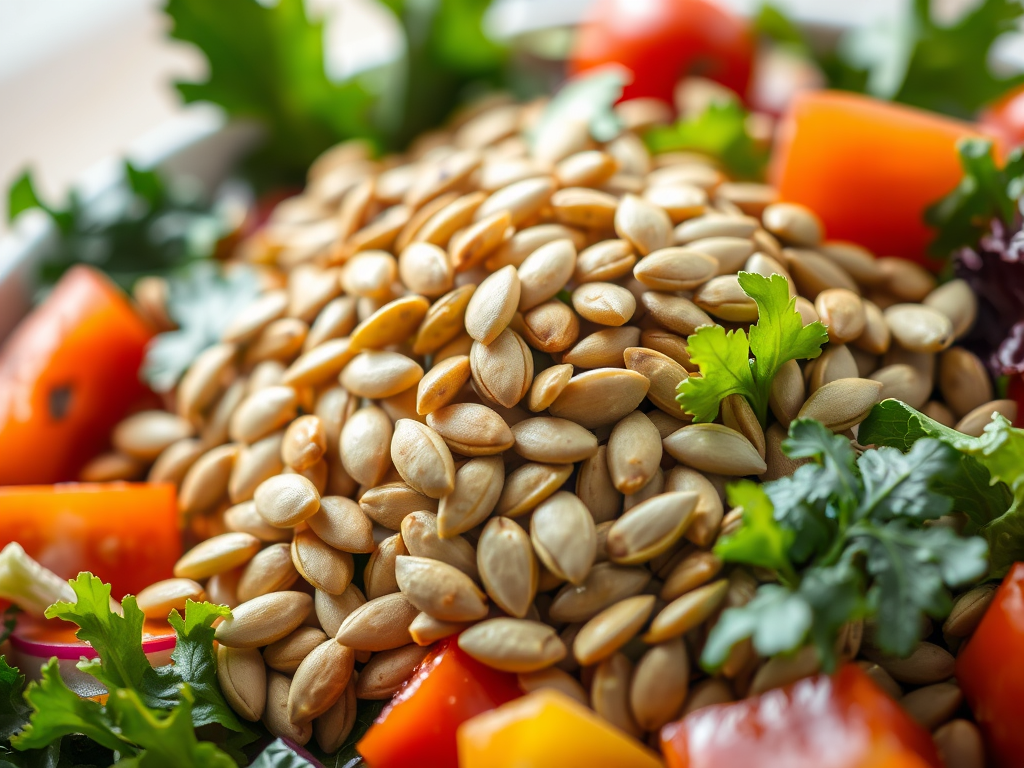
- Sprinkle them over salads for a crunchy boost
- Blend into smoothies for a nutty flavor
- Mix into granola or yogurt for extra texture
- Add to trail mix as a nutritious base
With their versatility, sunflower seeds are an easy upgrade to any meal or snack—just remember to stick to the right portion for optimal health benefits.

Potential Side Effects and Precautions
While sunflower seeds offer a wide range of health benefits, it’s important to be mindful of a few potential side effects and precautions. First, sunflower seeds are calorie-dense—just one small handful (about 28g) can contain over 160 calories. Eating large amounts regularly without portion control may lead to unwanted weight gain. This raises the common question: are sunflower seeds bad for you? Not if eaten in moderation.
Be cautious with salted or flavored varieties, which can contain high levels of sodium, contributing to increased blood pressure and water retention. Always check labels and opt for unsalted or lightly salted options when possible.
Additionally, though rare, some people may experience sunflower seed allergies. Watch for symptoms like itching, swelling, rash, or difficulty breathing, especially after first-time consumption. If you’re unsure, look up sunflower seed allergy symptoms or consult with a healthcare professional.
In summary, sunflower seeds are safe and beneficial for most people—but like any superfood, balance and awareness are key.
Fun Facts About Sunflower Seeds
Sunflower seeds aren’t just nutritious—they come with a fascinating backstory and quirky traits!
- Ancient Superfood: Sunflower seeds were first cultivated by Native Americans over 5,000 years ago. They used them not just for food, but also for oil, dyes, and medicinal purposes. Sunflowers were considered a symbol of the sun and abundance.
- Hulled vs. Unhulled: Ever wonder about the difference? Hulled sunflower seeds have their tough outer shell removed, making them ready to eat and perfect for cooking. Unhulled seeds, still in their shells, are typically enjoyed as a crunchy snack and require spitting out the shell after eating the kernel.
- Sun-Tracking Marvel: The sunflower plant is famous for heliotropism—young sunflowers actually turn their heads to follow the sun throughout the day, a unique trait that inspired their name and charm.
These fun facts make sunflower seeds even more enjoyable—adding a little history and science to every bite!
FAQ: Sunflower Seeds – Your Questions Answered
1. Are sunflower seeds good for weight loss?
Yes, when eaten in moderation, sunflower seeds can support weight loss. They’re high in protein, fiber, and healthy fats, which help you feel full longer and reduce overall calorie intake. Just be mindful of portion sizes, as they are calorie-dense.
2. Can you eat sunflower seed shells?
It’s not recommended. Sunflower seed shells are tough and fibrous, making them difficult to digest and potentially irritating to your digestive tract. Stick to eating the hulled seeds (kernels) for the best experience.
3. Do sunflower seeds help with hair growth?
Yes! Sunflower seeds are rich in Vitamin E, B vitamins, and zinc—nutrients that promote healthy hair follicles, improve circulation to the scalp, and support natural hair growth over time.
4. Can sunflower seeds be eaten at night?
Absolutely. Sunflower seeds make a great evening snack, especially because of their magnesium content, which may help relax muscles and support better sleep. Just avoid salty varieties late at night to prevent water retention.


Leave a comment