
Blueberries are small, round, and nutrient-packed fruits that have gained widespread popularity for their numerous health benefits and delicious taste. Known for their vibrant blue color and rich antioxidants, particularly anthocyanins, blueberries are often hailed as a superfood. Their sweet yet slightly tart flavor makes them a versatile addition to a variety of dishes, from smoothies and salads to baked goods. As a low-calorie, high-fiber fruit, blueberries are celebrated for promoting heart health, improving brain function, and supporting the immune system, making them a favorite among health-conscious individuals worldwide.
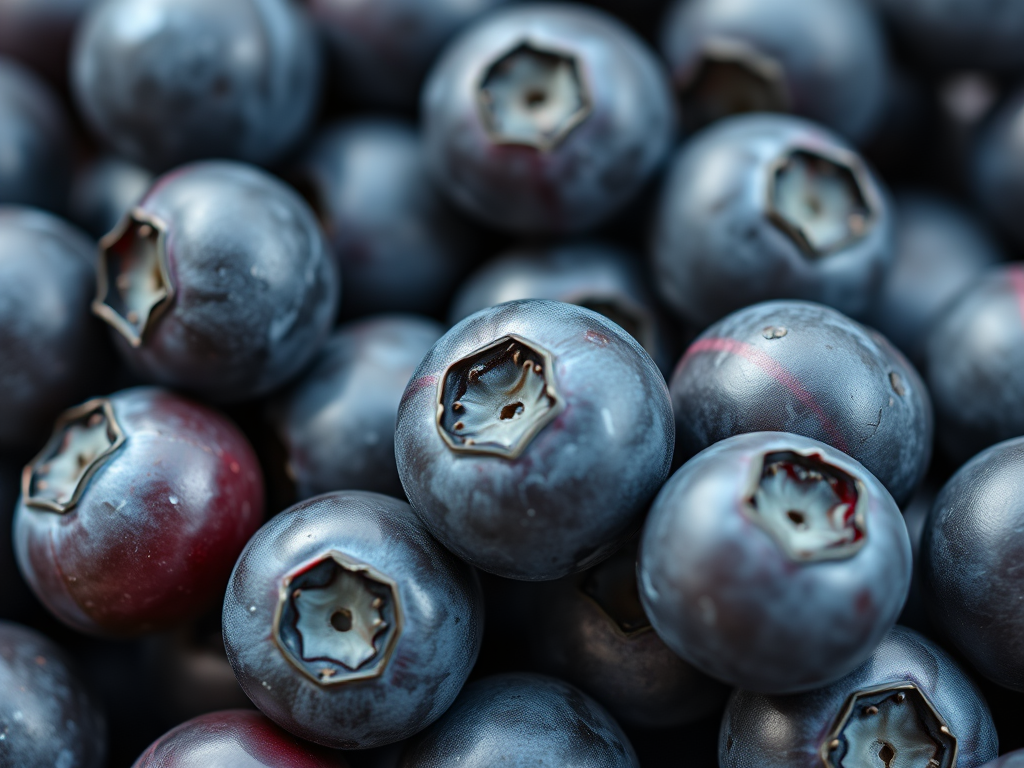
Blueberries are incredibly nutrient-dense, offering a wide range of essential vitamins and minerals, including vitamin C, vitamin K, fiber, and manganese. They are also packed with antioxidants, particularly anthocyanins, which help protect the body from oxidative stress and inflammation. Thanks to their low-calorie, high-fiber content, blueberries are known for supporting digestion, maintaining heart health, and regulating blood sugar levels. These impressive health benefits, combined with their ability to improve brain function and immune system health, are why blueberries are often classified as a superfood—a powerhouse of nutrition in a small, delicious package.
Nutritional Benefits of Blueberries
Blueberries are packed with antioxidants, particularly anthocyanins, which help combat oxidative stress and inflammation in the body. They are also an excellent source of vitamin C, essential for immune system support and collagen production, and vitamin K, which plays a vital role in bone health and blood clotting. In addition, blueberries are high in fiber, which aids in digestion, promotes gut health, and helps regulate blood sugar levels. These key nutrients make blueberries a powerful and nutrient-dense fruit, offering a range of health benefits in every bite.
Antioxidants, especially anthocyanins found in blueberries, play a crucial role in fighting free radicals—unstable molecules that can cause oxidative damage to cells and contribute to aging and disease. Anthocyanins help neutralize these free radicals, reducing oxidative stress and preventing cell damage. Additionally, anthocyanins are known for their powerful anti-inflammatory properties, which can help lower the risk of chronic conditions like heart disease, diabetes, and arthritis. By combating both oxidative damage and inflammation, blueberries, rich in anthocyanins, support overall cellular health and contribute to a stronger immune system.
Blueberry.org – Nutrition Facts
University of Rochester Medical Center – Blueberries Nutritional Information
Healthline – 10 Proven Benefits of Blueberries
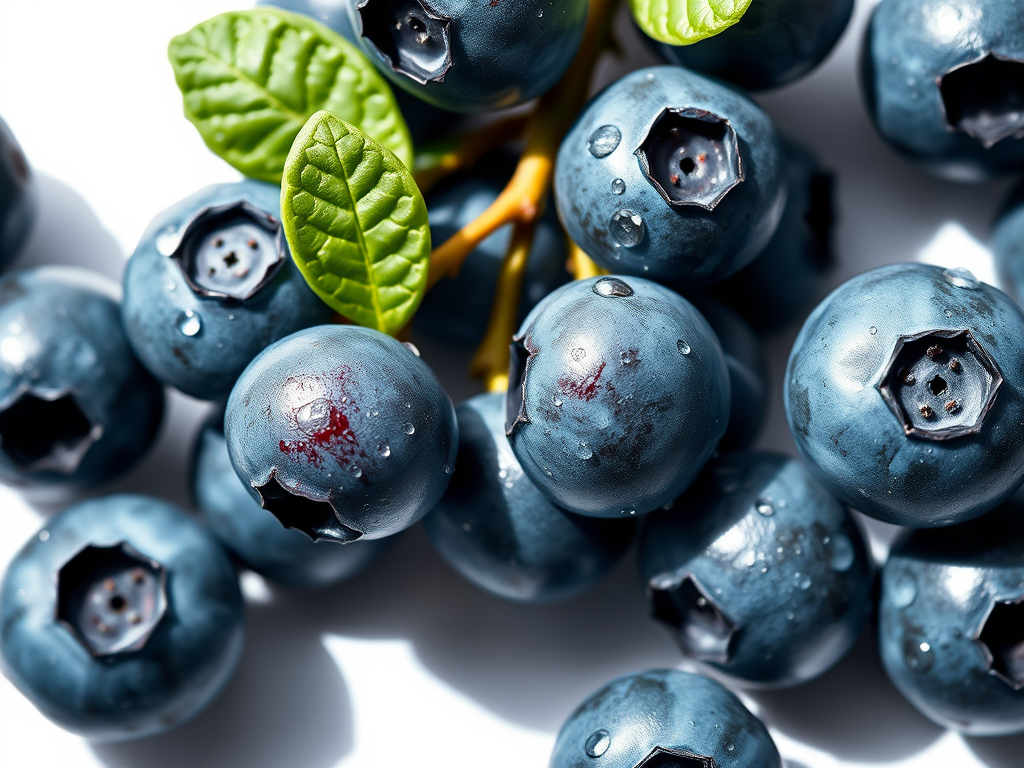
Health Benefits of Eating Blueberries
Boosting Brain Health:
Blueberries are renowned for their potential to boost brain health, with studies suggesting that their high levels of antioxidants, particularly anthocyanins, may help improve memory and cognitive function. These powerful compounds protect the brain from oxidative stress and inflammation, which are linked to cognitive decline. Consuming blueberries regularly has been shown to enhance short-term memory, increase mental clarity, and even slow down the aging process of the brain. The anti-inflammatory properties of blueberries also help reduce brain inflammation, supporting better neurotransmitter function and promoting overall brain health. Incorporating blueberries into your diet could be a natural way to support mental performance and maintain cognitive vitality as you age.
Heart Health:
Blueberries play a significant role in promoting heart health due to their rich content of antioxidants and flavonoids. These nutrients are known to help lower blood pressure and improve cholesterol levels, reducing the risk of heart disease. Studies have shown that the anthocyanins in blueberries can help relax blood vessels, leading to better circulation and lower blood pressure. Additionally, the high fiber content in blueberries supports healthy cholesterol levels by reducing LDL (bad cholesterol) and increasing HDL (good cholesterol). Incorporating blueberries into your diet can contribute to a healthier heart by improving circulation, regulating blood pressure, and promoting optimal cholesterol balance, making them an excellent choice for cardiovascular support.
NCBI – Blueberries and Cardiovascular Health
Weight Loss and Digestion:
Blueberries are an excellent addition to any weight loss or digestion-boosting plan due to their high fiber content. Fiber is essential for promoting healthy digestion by supporting regular bowel movements and maintaining gut health. The fiber in blueberries helps to increase feelings of fullness, which can reduce overall calorie intake and help in managing weight. Additionally, blueberries are low in calories yet high in essential nutrients, making them a satisfying, guilt-free snack for those looking to lose weight. By promoting better digestion and enhancing satiety, blueberries can be a powerful ally in maintaining a healthy weight while supporting overall digestive health.
NCBI – Blueberries and Gut Health
Supporting Skin Health:
Blueberries are a fantastic food for supporting skin health due to their rich content of antioxidants, particularly vitamin C and anthocyanins, which have powerful anti-aging properties. These antioxidants help protect the skin from free radicals, which contribute to the breakdown of collagen and accelerate the aging process. Regular consumption of blueberries can enhance skin elasticity, reduce the appearance of wrinkles, and improve overall skin tone by combating oxidative stress and promoting collagen production. The high vitamin C content also helps in the healing of skin damage and supports the body’s ability to repair tissue. By incorporating blueberries into your diet, you can maintain youthful, glowing skin while fighting the effects of aging.
NCBI – Blueberries and Skin Health
How Blueberries Can Fit Into Your Diet
Smoothies:
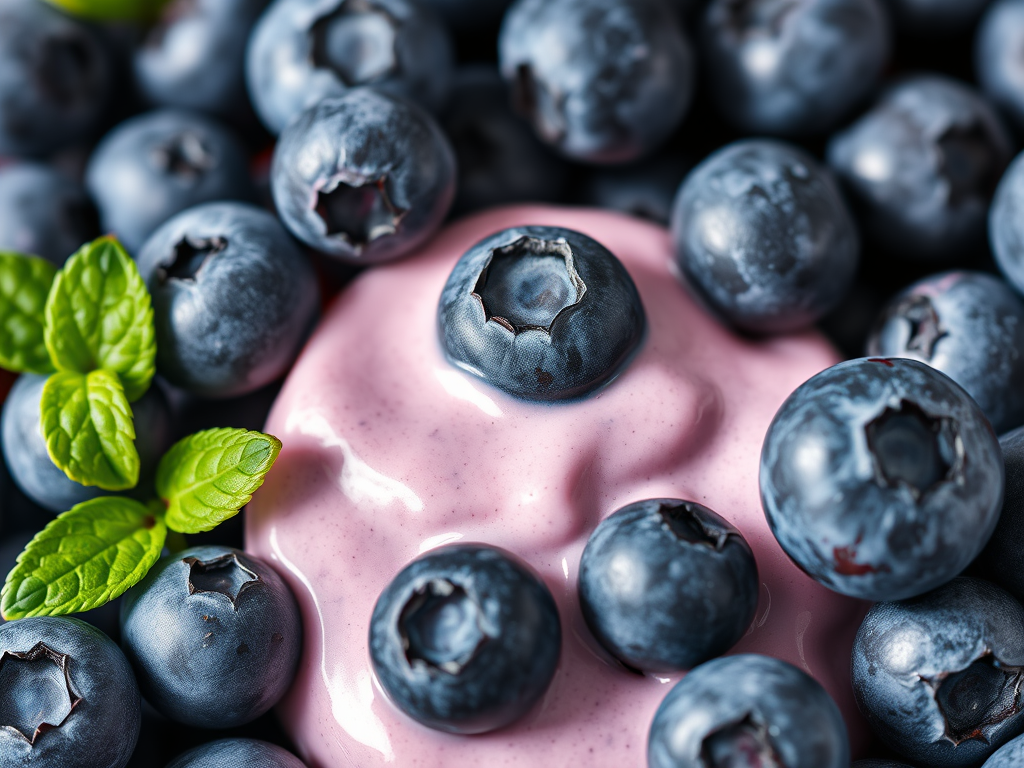
Add blueberries to your morning smoothies for an antioxidant boost. Blending them with other fruits, leafy greens, and a protein source like yogurt or nut butter can give you a nutrient-packed, refreshing start to your day.
Healthy Blueberry Smoothie Recipe
Snacks:
Blueberries make for a perfect, quick snack. Simply enjoy a handful of fresh blueberries, or pair them with yogurt for a delicious and healthy combination that provides a good balance of fiber, vitamins, and protein.
Salads:
For a refreshing addition to salads, sprinkle fresh blueberries over your greens. They add natural sweetness and color, while enhancing the nutritional value with their vitamins, antioxidants, and fiber.
Baking:
Blueberries are a great ingredient for baking. Add them to muffins, pancakes, or pies for natural sweetness and vibrant color. They can even be added to oatmeal cookies or cakes, making for a delicious and healthier treat.
Blueberry Varieties
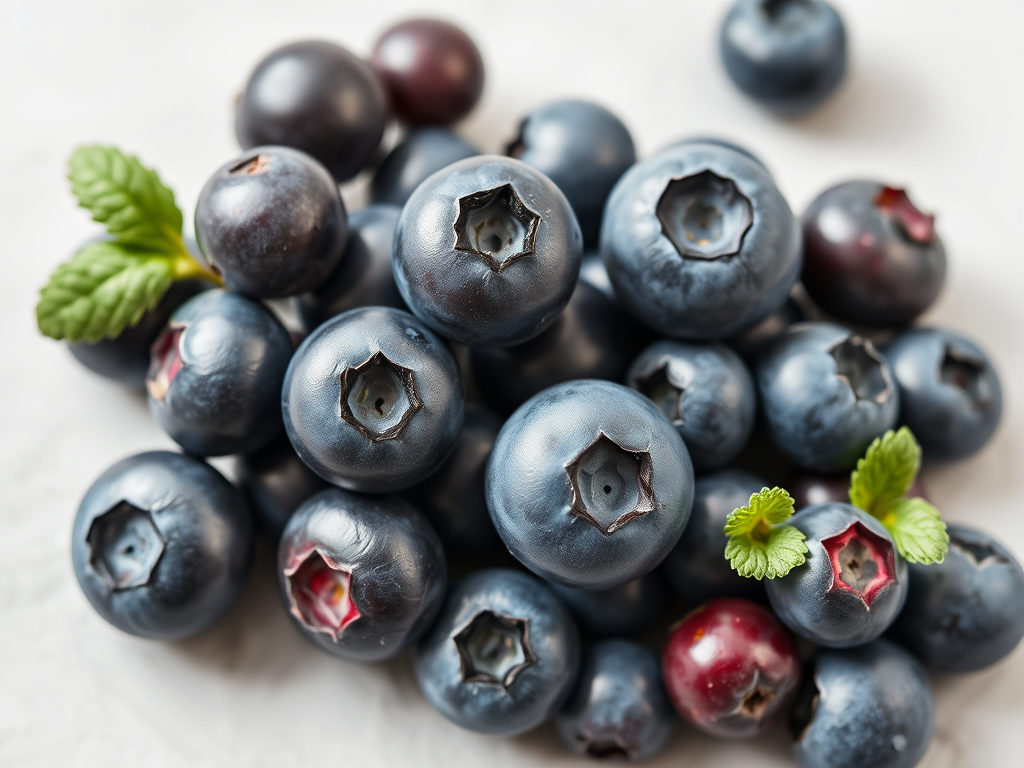
There are several blueberry varieties, each offering unique flavors and characteristics. The most common type is the highbush blueberry, which is cultivated in temperate regions and typically has a larger size and a sweeter flavor. These berries are available year-round in most grocery stores and are widely used in baking and smoothies. In contrast, lowbush blueberries are smaller and grow in the wild or on low-lying bushes. Known for their tartness, they are often used in jam-making and other preserves. Wild blueberries, another variety of lowbush berries, are smaller and have a more intense flavor profile than cultivated highbush types. They are typically found in the wild, with the best known being those from Maine and Canada, and are harvested during peak summer months.
The taste and size of blueberries vary depending on the variety. Highbush blueberries are generally larger and juicier, with a mild sweetness, making them ideal for fresh consumption or in desserts. On the other hand, lowbush and wild blueberries tend to be smaller, with a more concentrated and tart taste, perfect for preserves and cooking. While highbush blueberries are available year-round, wild blueberries are typically found fresh during their peak season in summer, although frozen options are available throughout the year. Understanding these differences helps consumers choose the right variety for their needs, whether for snacking, baking, or making sauces and jams.
How to Buy and Store Blueberries
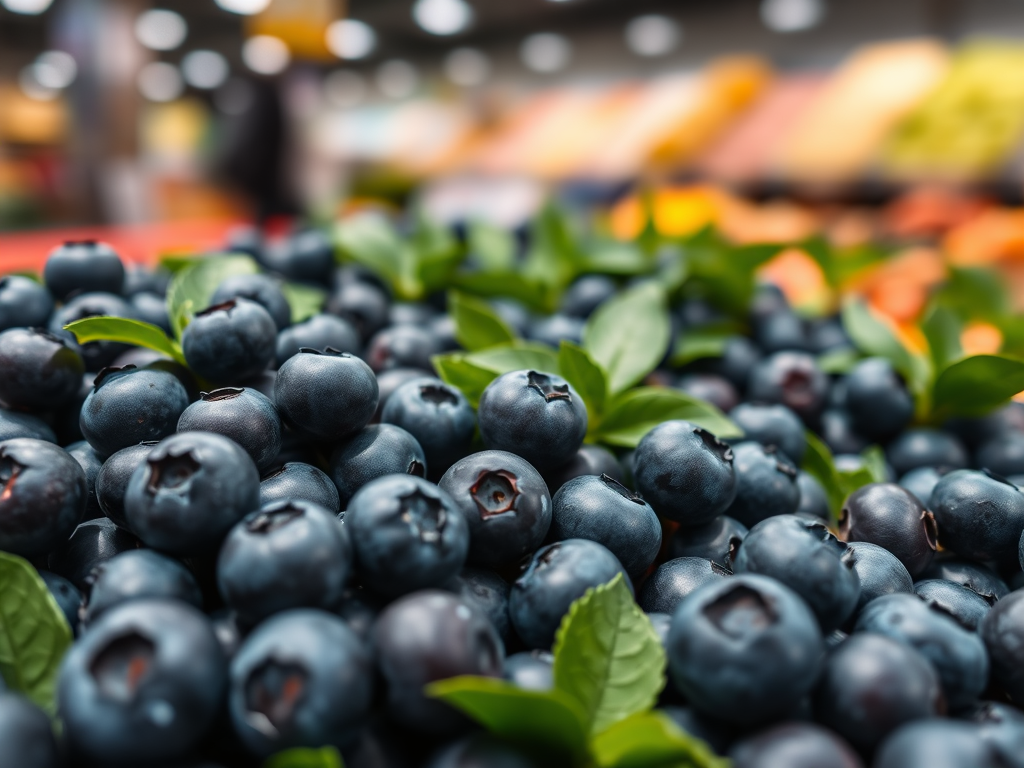
When buying fresh blueberries, it’s important to look for berries that are firm, plump, and have a deep blue color with a silvery frosty bloom on their skin. Avoid berries with any signs of wrinkles or soft spots, as these may indicate overripeness. The container should be free from any moisture or mold, as this can cause the blueberries to spoil quickly. If you’re looking for wild blueberries, they will typically be smaller and may have a more intense flavor compared to the larger highbush varieties.
To store blueberries for maximum freshness, place them in the refrigerator in a breathable container, ideally the one they came in, to maintain air circulation. If you plan to consume them within a few days, storing them in the fridge is sufficient. For longer storage, consider freezing blueberries. To freeze, first spread the berries on a baking sheet in a single layer to prevent clumping, then transfer them to a freezer-safe bag or container. This method helps maintain their quality for up to six months. Always wash blueberries just before use, not before storing, as moisture can lead to mold growth.
Fun Facts About Blueberries
Blueberries are not only delicious but also full of fascinating facts. Did you know that blueberries are the only fruit native to North America? Native American tribes have long used them for their medicinal properties, and they continue to be an essential part of North American cuisine today. Additionally, blueberries are often referred to as a “superfood” because they are packed with nutrients and offer impressive health benefits.
One of the most remarkable aspects of blueberries is their antioxidant content. Blueberries rank at the top among all fruits and vegetables for their high levels of antioxidants, specifically anthocyanins, which give the berries their distinctive blue color. These powerful antioxidants help combat free radicals, protect cells from oxidative damage, and contribute to overall health and well-being. This impressive antioxidant profile is one of the reasons why blueberries are celebrated as a nutrient-dense, health-boosting food.
Embrace the Health Benefits of Blueberries
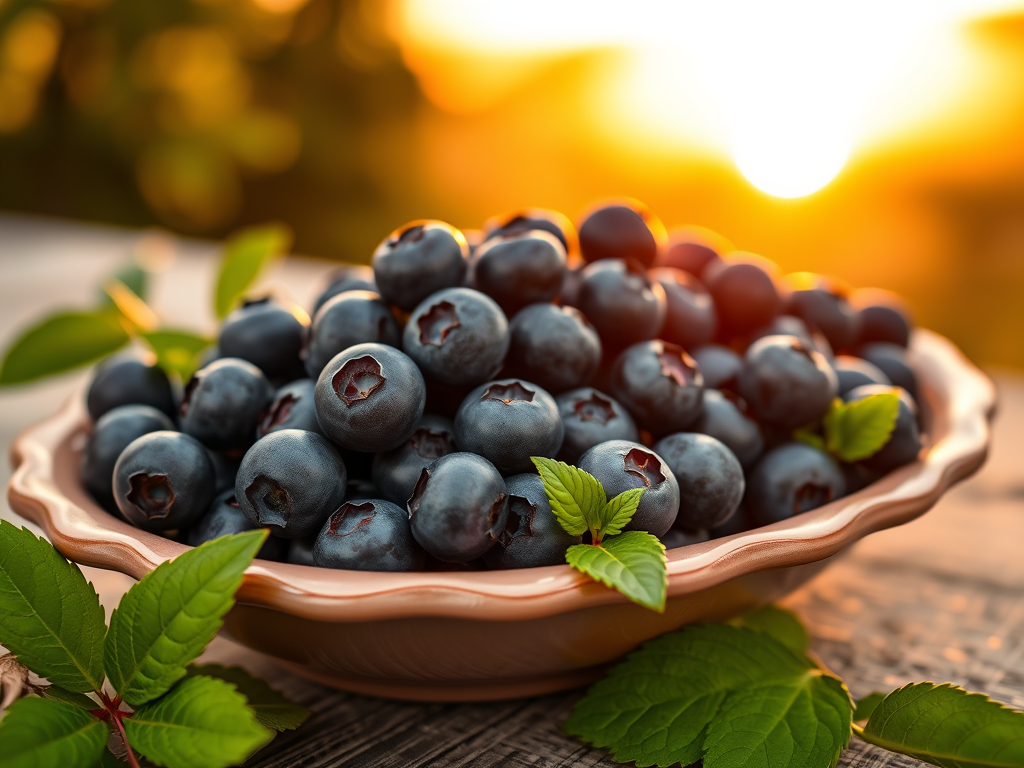
Incorporating blueberries into your diet offers a wide range of health benefits, from boosting brain health and improving heart function to promoting healthy digestion and supporting skin health. These small but mighty berries are packed with antioxidants, vitamins, and fiber, making them a powerful addition to any healthy lifestyle. Whether you enjoy them in smoothies, snacks, salads, or baked goods, blueberries are an easy and delicious way to enhance your nutrition and well-being.
By adding blueberries to your daily routine, you can enjoy not only their health benefits but also their versatility in various meals. With their rich flavor and powerful nutrients, they are an ideal choice for anyone looking to maintain a balanced diet. So, make blueberries a regular part of your meals, and reap the benefits of this superfood for a healthier, more vibrant lifestyle.


Leave a reply to Top 10 Anti-Inflammatory Foods to Eat Daily – My Health Table Cancel reply