
Brussels sprouts are a highly nutritious, yet often underrated vegetable that deserves more recognition in our diets. Packed with essential vitamins and minerals, these small, leafy green vegetables offer a wealth of health benefits that many overlook. Not only are they rich in fiber, antioxidants, and vitamin K, but Brussels sprouts also boast cancer-fighting properties and support heart health. Their versatility in meals makes them easy to incorporate into a variety of dishes, from roasted sides to hearty salads. Whether you’re looking to boost your immune system or improve digestion, the nutritional value of Brussels sprouts makes them a true superfood. In this article, we’ll explore the many health benefits of Brussels sprouts and how they can enhance your overall well-being.
What Are Brussels Sprouts?
Brussels sprouts are small, cabbage-like vegetables that belong to the Brassica family, which also includes broccoli, kale, and cauliflower. Originating in Europe, these vegetable sprouts were first cultivated in Belgium, giving them their name. The Brussels sprouts plant grows on tall stalks, with each sprout resembling a miniature cabbage. Typically, these vegetables thrive in cooler climates and are grown in regions with mild winters, such as Northern Europe, the United States, and parts of Canada.
Brussels sprouts nutrition is particularly notable for their high content of fiber, vitamins, and minerals. These vegetable sprouts are rich in vitamin K, vitamin C, and folate, making them an excellent addition to a balanced diet. The Brussels sprouts plant can grow up to three feet tall, and each stalk can hold up to 40 individual sprouts, which are harvested by hand. Their dense, nutrient-packed leaves and compact size make them ideal for a wide range of dishes, from roasted sides to stir-fries. Whether you call them vegetable sprouts or Brussels sprouts, their nutritional value makes them a powerful superfood in any meal.
The Nutritional Powerhouse: Health Benefits of Brussels Sprouts
Brussels sprouts are packed with essential nutrients that contribute to overall health and well-being. They are an excellent source of vitamin C, a powerful antioxidant that helps boost the immune system, promotes healthy skin, and supports the body’s ability to heal wounds. Additionally, Brussels sprouts are rich in vitamin K, which plays a vital role in bone health by promoting calcium absorption and supporting blood clotting.
The folate content in Brussels sprouts is another notable benefit. This B-vitamin is crucial for cell growth and repair and is especially important during pregnancy for fetal development. Moreover, Brussels sprouts provide a good amount of potassium, a mineral that helps regulate blood pressure, balance fluids, and support proper muscle function.
Fiber is one of the standout features of Brussels sprouts. A single serving of these vegetable sprouts provides a significant amount of dietary fiber, which aids digestion, helps control blood sugar levels, and promotes heart health. They are also rich in antioxidants, such as kaempferol and sulforaphane, which may help reduce inflammation and protect the body against chronic diseases like cancer.
With all these nutrients packed into each sprout, Brussels sprouts offer a great way to enhance your diet with minimal calories. Their rich nutritional profile makes them a versatile and valuable superfood.
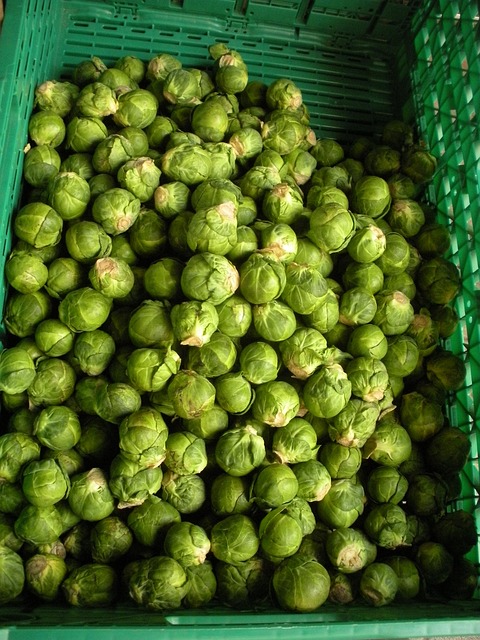
Nutritional Value of Brussels Sprouts
Brussels sprouts are not only delicious but also packed with nutrients that offer numerous health benefits. Here’s a breakdown of their impressive nutritional profile:
- Calories: One cup of cooked Brussels sprouts (about 156g) contains roughly 38 calories, making them a low-calorie food option.
- Vitamins:
- Vitamin C: 75 mg (about 125% of the daily recommended intake), which supports immune function and skin health.
- Vitamin K: 156% of the daily value, crucial for bone health and proper blood clotting.
- Folate: 93 mcg, an essential nutrient for cell growth and important during pregnancy.
- Minerals:
- Potassium: 500 mg, which helps regulate blood pressure and supports muscle function.
- Iron: 1.5 mg, important for red blood cell production and preventing anemia.
- Fiber: 4 grams per cup, contributing to healthy digestion, improved blood sugar control, and heart health.
- Antioxidants: Brussels sprouts are rich in antioxidants such as kaempferol and sulforaphane, which may help reduce inflammation and protect against chronic diseases like cancer.
The nutritional value of Brussels sprouts makes them a versatile superfood that promotes heart health, supports immune function, and aids digestion. With their rich Brussels sprouts nutrients, these vegetables are an excellent addition to any healthy diet.
Health Benefits of Brussels Sprouts
Brussels sprouts are not only nutritious but also provide a variety of health benefits. Their rich nutrient profile supports numerous bodily functions, making them a great addition to your diet.
Supports Heart Health
Brussels sprouts for heart health are an excellent choice due to their high content of fiber, potassium, and antioxidants. The fiber in Brussels sprouts helps lower cholesterol levels, reducing the risk of heart disease. Additionally, the potassium content helps regulate blood pressure, preventing hypertension and supporting overall cardiovascular health. The antioxidants in Brussels sprouts, including kaempferol, have anti-inflammatory properties that protect against the buildup of plaque in the arteries, further supporting heart health.
Aids in Digestion
One of the most notable health benefits of Brussels sprouts is their ability to aid in digestion. The high fiber content—around 4 grams per cup—helps keep the digestive system running smoothly. Fiber promotes regular bowel movements, reduces constipation, and supports gut health. By improving digestion, Brussels sprouts help maintain a healthy gut microbiome, which is essential for overall well-being.
Boosts Immunity
Brussels sprouts for immunity are a powerhouse, thanks to their Vitamin C content. This vital vitamin supports the immune system by stimulating the production of white blood cells, which fight off infections. With 75 mg of Vitamin C per cup, Brussels sprouts provide over 100% of the daily recommended intake, boosting your immune defense and promoting overall health.
Promotes Detoxification
The antioxidants and fiber found in Brussels sprouts play a crucial role in detoxification. Sulforaphane, a compound found in Brussels sprouts, has been shown to support the liver in detoxifying harmful substances from the body. Additionally, the fiber helps flush toxins out of the digestive system, further promoting the body’s natural detox processes.
Incorporating Brussels sprouts into your diet can provide a wide range of health benefits, from improving heart health to boosting immunity and supporting digestion. With their rich nutritional value, they are an excellent choice for enhancing your overall health.

How to Cook Brussels Sprouts
Brussels sprouts are incredibly versatile and can be prepared in various ways to suit different tastes. Here are some popular methods for cooking Brussels sprouts while preserving their nutrients:
Roasting
Roasting Brussels sprouts brings out their natural sweetness and creates a crispy texture. To roast, simply toss the sprouts with olive oil, salt, and pepper, then spread them on a baking sheet. Roast at 400°F (200°C) for 20-25 minutes, shaking the pan halfway through for even cooking.
Steaming
Steaming Brussels sprouts is one of the healthiest cooking methods as it helps retain their vitamins and minerals. Simply steam them for about 6-8 minutes until tender but still vibrant green.
Sautéing
Sautéing Brussels sprouts in a bit of olive oil or butter allows them to brown slightly while maintaining their nutrients. Cook over medium heat for about 10-12 minutes, stirring occasionally.
Adding to Salads
For a fresh twist, try adding roasted or sautéed Brussels sprouts to salads. They pair wonderfully with ingredients like nuts, dried fruits, and vinaigrette dressings.
Healthy Brussels Sprouts Recipe: Roasted Brussels Sprouts
Here’s a quick and simple recipe for roasted Brussels sprouts:
- Ingredients:
- 1 lb Brussels sprouts, trimmed and halved
- 2 tbsp olive oil
- Salt and pepper to taste
- 1 tsp garlic powder (optional)
- Instructions:
- Preheat your oven to 400°F (200°C).
- Toss Brussels sprouts with olive oil, salt, pepper, and garlic powder.
- Spread them in a single layer on a baking sheet.
- Roast for 20-25 minutes, tossing halfway through.
- Serve and enjoy!
This recipe is a great way to start exploring Brussels sprouts cooking tips and enjoy healthy Brussels sprouts recipes at home!
Are Brussels Sprouts Good for Weight Loss?
Yes, Brussels sprouts are an excellent food choice for those looking to lose or maintain weight. As a low-calorie vegetable, they are packed with nutrients while being light on calories, making them a perfect addition to any weight loss plan.
Low in Calories
A typical serving of Brussels sprouts (about one cup, cooked) contains only 38 calories, making them a great option for those aiming to reduce their overall calorie intake. Despite their low calorie count, Brussels sprouts are nutrient-dense, providing essential vitamins and minerals that support your overall health. By choosing Brussels sprouts over higher-calorie options, you can enjoy a filling, flavorful meal without sabotaging your calorie goals.
High in Fiber
One of the most significant reasons why Brussels sprouts for weight loss are so effective is their high fiber content. Each serving contains about 4 grams of fiber, which is essential for proper digestion and weight management. Fiber helps you feel full longer, preventing overeating and reducing overall calorie consumption. Moreover, high-fiber foods for weight loss, like Brussels sprouts, promote healthy digestion, reduce bloating, and stabilize blood sugar levels, all of which are crucial for effective weight management.
Low Glycemic Index
Brussels sprouts also have a low glycemic index (GI), which means they don’t cause a rapid spike in blood sugar levels. This steady release of energy helps curb cravings and prevents the energy crashes that often lead to snacking on unhealthy foods. Consuming low-GI foods like Brussels sprouts can help regulate hunger and maintain a balanced appetite throughout the day.
Versatility in Meals
Another benefit of Brussels sprouts is their versatility in weight loss diets. They can be added to a wide range of meals—whether roasted, sautéed, or steamed—as a nutritious side dish or as the main vegetable in a salad or stir-fry. Because Brussels sprouts are so low in calories but rich in fiber, they are a great food choice for satisfying hunger without adding extra calories to your diet.
Incorporating Brussels sprouts into your meals can help support weight loss goals while providing a healthy and delicious alternative to higher-calorie foods. Their combination of low-calorie content and high-fiber benefits make them a smart, satisfying choice for anyone looking to manage their weight.
Side Effects of Brussels Sprouts and Considerations
While Brussels sprouts are highly nutritious and beneficial for most people, there are some Brussels sprouts side effects and concerns to consider, particularly for sensitive individuals or when consumed in large quantities.
Gas and Bloating
One of the most common Brussels sprouts side effects is gas and bloating. This is due to their high fiber content and the presence of raffinose, a complex sugar that can be difficult for some people to digest. When the body struggles to break down raffinose, it can lead to gas production in the digestive system, causing discomfort and bloating. If you’re prone to digestive issues, such as irritable bowel syndrome (IBS), it’s best to start with small portions and gradually increase your intake to allow your digestive system to adjust.
Thyroid Concerns
Another consideration is for individuals with thyroid conditions, particularly those with hypothyroidism. Brussels sprouts belong to the cruciferous vegetable family, which contains goitrogens—naturally occurring substances that can interfere with iodine absorption and potentially affect thyroid function. While the occasional consumption of Brussels sprouts is generally safe for most people, precautions when eating Brussels sprouts should be taken by those with thyroid issues, especially if consumed in large amounts. Cooking Brussels sprouts can help reduce the goitrogenic effects, making them safer for individuals with thyroid concerns.
While Brussels sprouts offer a wealth of health benefits, it’s important to be mindful of any Brussels sprouts side effects. For most people, they can be enjoyed in moderation without issue, but those with digestive sensitivities or thyroid conditions should exercise caution. As always, it’s a good idea to listen to your body and consult with a healthcare provider if you have any concerns.
Frequently Asked Questions (FAQ)
Can Brussels sprouts be eaten raw?
Yes, Brussels sprouts can be eaten raw, but they may be a bit tough and bitter for some people. To make them more palatable, try shredding or thinly slicing them to add to salads or slaws. If you’re wondering how to eat Brussels sprouts raw, consider pairing them with a tangy dressing to balance their flavor.
Are Brussels sprouts gluten-free?
Yes, Brussels sprouts and gluten are completely compatible. Brussels sprouts are naturally gluten-free, making them a safe choice for individuals with celiac disease or gluten sensitivity. Just be cautious of any sauces or seasonings used when preparing them, as some may contain gluten.
How often should I eat Brussels sprouts?
Brussels sprouts are nutrient-dense and can be enjoyed several times a week as part of a balanced diet. There is no specific limit on how often to eat Brussels sprouts, but including them in meals two to three times a week can help you reap the health benefits of Brussels sprouts. Whether roasted, steamed, or sautéed, they are a versatile vegetable that supports heart health, digestion, and overall wellness.
Conclusion: The Power of Brussels Sprouts for Your Health
In conclusion, Brussels sprouts are a nutrient-packed superfood that offers numerous health benefits, from supporting heart health to boosting immunity and improving digestion. Their high fiber content, vitamin-rich profile, and versatility in meals make them a fantastic addition to any diet. Whether roasted, steamed, or added to salads, Brussels sprouts are a delicious and nutritious way to enhance your meals.
Start incorporating Brussels sprouts into your meals today to enjoy their amazing health benefits and discover how this low-calorie vegetable can contribute to your overall well-being. Explore different Brussels sprouts recipes to make them a regular part of your healthy eating routine!
Here are some authoritative sources you can link to for further reading on Brussels sprouts and their health benefits:
- National Institutes of Health (NIH) – Vitamin K
- Learn more about the benefits of vitamin K, which Brussels sprouts are rich in: NIH Vitamin K Information
- American Heart Association – The Benefits of Fiber
- Read about how fiber, a key component of Brussels sprouts, supports heart health: AHA Fiber and Heart Health
- PubMed – Health Benefits of Brussels Sprouts
- Explore scientific studies that discuss the health benefits of Brussels sprouts: PubMed Studies on Brussels Sprouts
- Mayo Clinic – Cruciferous Vegetables
- Learn about the health benefits of cruciferous vegetables like Brussels sprouts: Mayo Clinic Cruciferous Vegetables


Leave a comment