
Red peppers are not only vibrant and full of flavor, but they also pack a punch when it comes to health benefits. Known for their rich color and slightly sweet taste, red peppers are a versatile ingredient that can be used in a variety of dishes, from salads to stir-fries to sauces. But did you know that red peppers are also incredibly nutritious? In this blog post, we’ll explore why red peppers should be a staple in your diet and how they can improve your overall health.
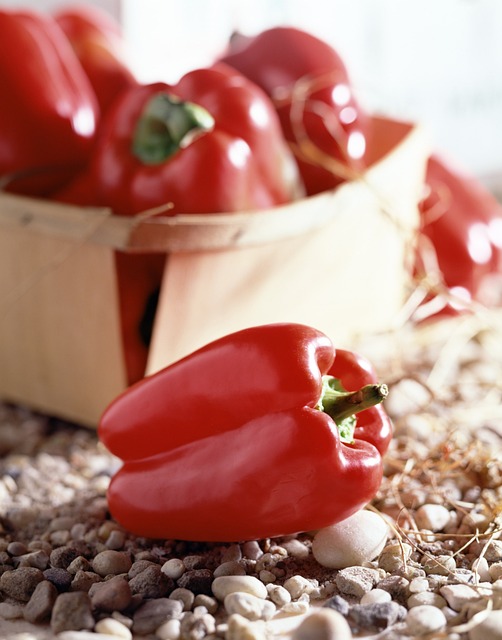
Packed with Vitamins and Antioxidants
Red peppers are a powerhouse of essential nutrients, making them one of the healthiest vegetables you can eat. They are particularly rich in vitamin C, providing more than 100% of your daily recommended intake in just one medium-sized pepper. Vitamin C is crucial for boosting your immune system, promoting healthy skin, and protecting your cells from oxidative stress caused by free radicals.
In addition to vitamin C, red peppers are an excellent source of vitamin A, thanks to the presence of beta-carotene. This antioxidant helps maintain healthy vision, supports immune function, and contributes to healthy skin. The combination of vitamins A and C in red peppers makes them a great choice for boosting your overall well-being and fighting off illnesses.
High in Fiber for Digestive Health
Red peppers are also high in dietary fiber, which is essential for maintaining healthy digestion. A single red pepper contains about 2.5 grams of fiber, which can help regulate bowel movements and prevent constipation. Fiber is also important for maintaining a healthy gut microbiome, which plays a role in digestion, immunity, and even mental health.
Including fiber-rich foods like red peppers in your diet can help promote regularity and improve digestive health, making them a great addition to meals for anyone looking to support their digestive system.
Supports Heart Health
Red peppers are good for your heart, too. They are rich in antioxidants, particularly flavonoids, which can help reduce inflammation and lower the risk of heart disease. The vitamin C in red peppers also helps strengthen the blood vessels and arteries, keeping your cardiovascular system healthy.
Moreover, red peppers contain potassium, a mineral that helps maintain healthy blood pressure levels. Potassium works by balancing out the negative effects of sodium, ensuring that your blood pressure stays within a healthy range. By adding red peppers to your diet, you can support both your heart and circulatory system.
Promotes Weight Loss
Red peppers can be a valuable addition to any weight loss plan due to their low calorie content and high water content. They’re also a great source of capsaicin, the compound that gives peppers their spicy flavor. Studies have shown that capsaicin can boost metabolism, increase fat burning, and reduce appetite, making it easier to manage your weight.
The fiber in red peppers also helps you feel fuller for longer, which can reduce the chances of overeating. By incorporating red peppers into your meals, you can enjoy a flavorful, filling snack or meal without the extra calories.
Natural Skin Protector
Thanks to their high levels of vitamin C and beta-carotene, red peppers are excellent for promoting healthy, youthful skin. Vitamin C plays a vital role in collagen production, which helps maintain skin elasticity and prevent wrinkles. It also acts as an antioxidant, protecting your skin from UV damage and environmental pollutants.
Beta-carotene, the pigment that gives red peppers their bright color, can help protect the skin from sun damage and reduce the appearance of dark spots and wrinkles. Regular consumption of red peppers can support healthy, glowing skin from the inside out.
How to Enjoy Red Peppers
Red peppers are incredibly versatile and can be used in a wide range of dishes. Here are a few delicious ways to incorporate them into your meals:
- Raw: Slice them up and add them to salads for a crunchy, sweet boost of flavor. You can also dip them in hummus or guacamole for a healthy snack.
- Roasted: Roasting red peppers brings out their natural sweetness. Simply drizzle them with olive oil and roast them in the oven until tender and slightly charred.
- Grilled: Grilled red peppers add a smoky flavor to salads, wraps, or grilled chicken dishes.
- Stir-fry: Add chopped red peppers to stir-fries for an extra dose of color, texture, and nutrients.
- Stuffed: Stuff red peppers with quinoa, rice, beans, or lean meats for a hearty, nutritious meal.
The Immune-Boosting Power of Vitamin C in Red Peppers
Vitamin C is one of the most well-known nutrients for supporting the immune system, and red peppers are one of the best natural sources of this essential vitamin. In fact, a single medium-sized red pepper contains more than 150% of the recommended daily intake of vitamin C—more than an orange! This potent antioxidant plays a crucial role in protecting the body against infections and illnesses by stimulating the production of white blood cells, which are responsible for fighting off harmful pathogens.
Vitamin C also helps to protect cells from oxidative stress and supports the skin’s barrier function, which acts as the body’s first line of defense against harmful bacteria and viruses. Additionally, vitamin C has been shown to reduce the severity and duration of common colds, making red peppers an excellent choice for maintaining immune health, particularly during cold and flu season.
Red Peppers and Their Antioxidant Properties
Beyond vitamin C, red peppers are also rich in other antioxidants like beta-carotene and flavonoids, which help reduce inflammation and fight free radicals in the body. These antioxidants not only support immune function but also protect against chronic diseases such as heart disease and cancer. By incorporating red peppers into your diet, you’re providing your body with a diverse range of nutrients that work together to strengthen your immune system.
Unlock the Health Benefits of Red Peppers: Immune Boosting, Skin Care, and More
Red peppers are not just a vibrant and tasty addition to your plate—they are a nutritional powerhouse that offers a wealth of health benefits. With their rich supply of vitamins A and C, fiber, antioxidants, and heart-healthy properties, red peppers can play a crucial role in supporting immune health, digestive function, and skin vitality. Whether you’re trying to improve your immune system or simply looking to add more variety to your meals, red peppers should be a staple in your diet.
Their versatility, low-calorie content, and rich nutrient profile make them an ideal choice for anyone looking to improve their diet. Whether enjoyed raw, roasted, grilled, or incorporated into soups, salads, or casseroles, red peppers can complement a wide range of dishes. By including them in your meals, you’re not only adding flavor but also enhancing your health in numerous ways.
So, the next time you’re planning your grocery list, make sure to pick up some red peppers. Their immune-boosting properties, ability to aid in digestion, and weight-loss benefits make them an excellent addition to any meal plan. Start adding red peppers to your diet today and begin experiencing the many health benefits they have to offer!
How do you like to enjoy red peppers? Let us know your favorite ways to include them in your meals in the comments below!
These sources provide comprehensive insights into how red peppers contribute to immune health through their rich vitamin C content and other essential nutrients.
WebMD – The Health Benefits of Bell Peppers – Discusses the high vitamin C content in red peppers and their role in immune system support.
Healthline – 7 Benefits of Red Bell Peppers – Highlights that a medium-sized red bell pepper provides 169% of the Reference Daily Intake (RDI) for vitamin C, emphasizing its importance for immune health.
Medical News Today – What Are the Benefits of Bell Peppers? – Provides information on the vitamin C content in red peppers and their contribution to the recommended daily value, supporting immune function.
EatingWell – The Health Benefits of Peppers – Explores various foods rich in vitamin C, including red bell peppers, and their role in boosting the immune system.
Health – How Bell Peppers Can Boost Your Immune System – Lists bell peppers among foods high in vitamin C, noting that red peppers contain 213 mg per cup, surpassing the vitamin C content of oranges.


Leave a reply to Top 10 Antioxidant-Rich Vegetables for a Healthier You – My Health Table Cancel reply