
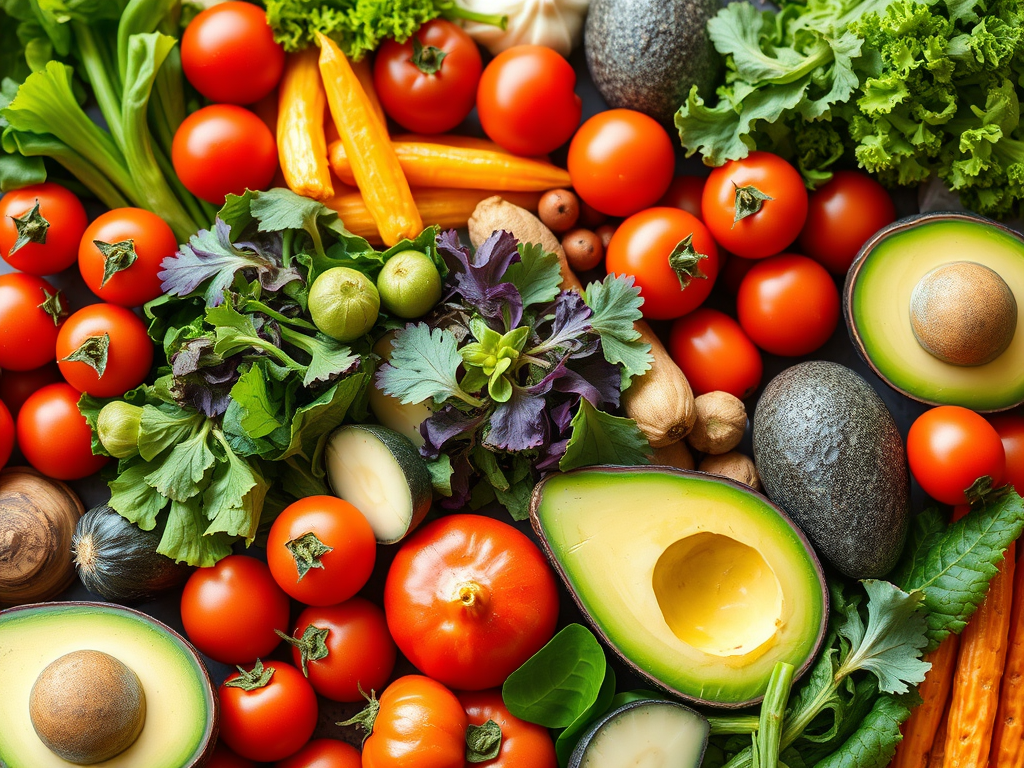
A colorful spread of healthy foods, including leafy greens, tomatoes, avocados, and other veggies, which are staples of an anti-inflammatory diet.
Inflammation is your body’s natural defense mechanism against injury or infection – it’s what helps you heal. But when inflammation becomes chronic (sticking around longer than it should), it can turn harmful. In fact, many major diseases – like heart disease, diabetes, arthritis, and even depression – have been linked to ongoing inflammation in the body health.harvard.edu. The good news is that your everyday food choices can help fight inflammation and improve your overall health. By eating more anti-inflammatory foods (and cutting back on pro-inflammatory junk foods), you give your body the nutrients and antioxidants it needs to calm inflammation. Some of the best foods for inflammation are probably in your kitchen already – think leafy greens, berries, fatty fish, nuts, olive oil and spiceshealth.harvard.edu. In this beginner-friendly guide, we’ll introduce the top 10 anti-inflammatory foods to eat daily, explain why they’re so good for you, and share simple tips on how to enjoy them as part of your everyday meals.
1. Berries (Blueberries, Strawberries & More)
Why They’re Anti-Inflammatory: Berries are antioxidant powerhouses. They owe their vibrant reds and blues to compounds called anthocyanins, which have been shown to have anti-inflammatory effects that may reduce your risk of chronic disease healthline.com. In other words, these sweet fruits help combat inflammation at the cellular level. Berries (like blueberries, strawberries, raspberries, and blackberries) also provide plenty of vitamin C and fiber, which support your immune system and gut health – both important for keeping inflammation in check.
How to Enjoy Daily: It’s easy to incorporate berries into everyday meals. Add a handful of blueberries or strawberries to your morning oatmeal or yogurt, blend frozen berries into smoothies, or simply snack on them fresh. You can even toss berries into salads for a pop of sweetness. By swapping out sugary snacks for berries, you’ll satisfy your sweet tooth and get a dose of nutrients that fight inflammation naturally.
2. Leafy Greens (Spinach, Kale, etc.)
Why They’re Anti-Inflammatory: Dark leafy greens are some of the most nutrient-dense foods on the planet. Veggies like spinach, kale, Swiss chard, and collard greens are packed with vitamins and antioxidants that help reduce inflammation. Notably, they’re rich in vitamin E – a potent antioxidant that may help protect the body against pro-inflammatory molecules called cytokines health.com. Leafy greens also provide vitamins A and C, calcium, and fiber. All these nutrients work together to support your immune function and lower oxidative stress, which means less inflammation over time.
How to Enjoy Daily: Aim to get at least one serving of leafy greens each day. You can blend a handful of spinach or kale into a smoothie (you won’t even taste it in a fruit smoothie), toss mixed greens with a balsamic vinaigrette for an easy salad, or sauté greens with olive oil and garlic as a delicious side dish. Adding a handful of greens to soups, stews, omelets, or pasta is another sneaky way to eat more of these inflammation-fighting veggies. Even swapping iceberg lettuce for romaine or spinach in your sandwich gives you an anti-inflammatory boost.
3. Fatty Fish (Salmon, Mackerel, Tuna)
Why It’s Anti-Inflammatory: Fatty fish are famous for their heart-healthy omega-3 fatty acids, which are excellent for fighting inflammation. Fish like salmon, mackerel, sardines, tuna, and herring are loaded with the omega-3s EPA and DHA. These fatty acids help reduce inflammation in the body and have been linked to a lower risk of conditions such as heart disease, metabolic syndrome, diabetes, and kidney disease healthline.com. In essence, omega-3s signal your body to dial down the inflammatory response. Studies have even found that people who regularly eat salmon or take fish oil have lower levels of C-reactive protein (CRP), a marker of inflammation. Plus, fish is a great source of lean protein and other nutrients like vitamin D.
How to Enjoy Daily: While you might not eat fish every single day, try to include it in your meals a few times a week (the benefits linger due to omega-3s accumulating in your body). Aim for at least 2–3 servings of fatty fish per week. For example, enjoy grilled or baked salmon as a dinner entrée, add flaked tuna or sardines to salads and whole-grain crackers for lunch, or start your day with smoked salmon on a whole-grain toast. If you’re not a seafood fan, you can get some omega-3s from plant sources like chia seeds or flaxseeds, but the long-chain omega-3s in fish are the most direct inflammation-fighters. Tip: Opt for cooking methods like baking, grilling, or steaming fish – deep-frying can add pro-inflammatory fats and reduce the benefits.
4. Nuts (Walnuts, Almonds & Others)
Why They’re Anti-Inflammatory: Nuts are little nutrient bombs that provide healthy fats, fiber, and antioxidants – a perfect combo for fighting inflammation. Walnuts, almonds, pistachios, and other nuts are high in monounsaturated fats and omega-3 (especially walnuts) which help reduce inflammatory processes. They also contain vitamin E and polyphenols, which are antioxidants that repair the damage caused by inflammation. In fact, studies have linked higher nut consumption to lower levels of CRP (an inflammatory marker) and a reduced risk of heart disease and diabetes. Just a small daily serving of nuts can have big benefits.
How to Enjoy Daily: Munch on a handful of mixed nuts as an afternoon snack (about 1 ounce or 1/4 cup is a healthy portion). You can also sprinkle chopped almonds or walnuts on your morning cereal, oatmeal, or yogurt for crunch. Natural peanut butter or almond butter on whole-grain toast is another anti-inflammatory breakfast or snack. Cooking with nuts is easy too – toss cashews into a stir-fry or blend soaked nuts into smoothies or sauces for creaminess. Because nuts are calorie-dense, you don’t need a huge amount to reap the benefits – just a small daily handful will do the trick (and nuts five days a week has been associated with lower inflammation in research) health.com.
5. Extra Virgin Olive Oil
Why It’s Anti-Inflammatory: Extra virgin olive oil (EVOO) is a staple of the famed Mediterranean diet – and a major reason that diet is considered so healthy. Olive oil is rich in heart-healthy monounsaturated fat and contains a unique compound called oleocanthal. Researchers have found that oleocanthal has potent anti-inflammatory effects similar to ibuprofen (a common anti-inflammatory pain reliever)health.com. In other words, consuming olive oil can act a bit like a natural “Advil” for your body by blocking some inflammatory pathways. Olive oil also provides vitamin E and polyphenols which further protect cells from inflammatory damage. Populations that consume a lot of olive oil (instead of butter or other fats) tend to have lower rates of inflammatory conditions like heart disease.
How to Enjoy Daily: Use extra virgin olive oil as your go-to cooking oil and dressing. Sauté your veggies in olive oil, drizzle it over salads, use it to roast meats and vegetables – even finish soups or cooked dishes with a little drizzle for flavor. You can also dip whole-grain bread in olive oil with herbs instead of using butter. For maximum benefit, choose “extra virgin” olive oil (it retains more antioxidants) and use it in place of less healthy fats like butter, margarine, or refined vegetable oils. A simple habit is to have one to two tablespoons of olive oil in your diet each day – for instance, in a salad dressing or for cooking your dinner. Your taste buds and your body will thank you!
6. Turmeric
Why It’s Anti-Inflammatory: Turmeric is the golden-yellow spice that gives curry its color – and it’s a star when it comes to anti-inflammatory foods. Turmeric contains curcumin, a powerful anti-inflammatory compound. Curcumin has been extensively studied and shown to reduce inflammation related to arthritis, diabetes, and other diseaseshealthline.com. It fights inflammation by blocking certain inflammatory molecules in the body. However, turmeric spice only contains about 3% curcumin by weight, so the effects are subtle when you use it in cooking (supplements with concentrated curcumin have stronger effects, but you should consult a doctor before taking those). Still, even small amounts of turmeric in your diet can contribute to lowering inflammation over time, especially if eaten consistently. It’s been a staple in Ayurvedic and Indian medicine for centuries as a natural anti-inflammatory remedy.
How to Enjoy Daily: The key to using turmeric is to combine it with a pinch of black pepper and some fat – this dramatically increases curcumin’s absorption. Try adding ½ teaspoon of ground turmeric to your daily routine: whisk it into scrambled eggs, stir it into soups, stews, or curry dishes, or blend it into a smoothie (with yogurt or avocado for fat and a dash of pepper). A popular option is golden milk – a warm drink made by simmering milk (or a non-dairy milk) with turmeric, black pepper, and honey. You can also sprinkle turmeric into roasted vegetables or rice. Its flavor is mild (a bit earthy), so it sneaks into foods easily. Consistency is key – a little each day can help keep inflammation at bay.
7. Ginger
Why It’s Anti-Inflammatory: Ginger is another spice with impressive inflammation-fighting properties. It contains bioactive compounds (like gingerol) that have been shown to reduce the production of inflammatory chemicals in the body. This is why ginger has been used for centuries to treat ailments like arthritis and muscle pain – it’s a natural anti-inflammatory and pain reliever. Ginger also has antioxidant effects and can support your immune system. Whether you’re dealing with sore joints or just want to prevent inflammation, ginger is a great daily addition. It’s also fantastic for digestion (ever drink ginger ale for an upset stomach?), which indirectly helps with inflammation as well.
How to Enjoy Daily: Fresh ginger root is extremely versatile. Grate or mince a small knob of fresh ginger and add it to stir-fries, marinades, or salad dressings for a zesty kick. Steep thin slices of ginger in hot water to make soothing ginger tea – add lemon and a touch of honey, and you have a delicious anti-inflammatory drink. You can also blend fresh or powdered ginger into smoothies and juices. Baking something? Ginger adds warmth to cookies, muffins, and breads. Even simple ginger lemon water in the morning can be a refreshing anti-inflammatory start to your day. Aim for about a teaspoon of fresh grated ginger (or 1/4 teaspoon dried) daily. Pro tip: Keep fresh ginger in the freezer – it grates easily and lasts longer.
8. Garlic
Why It’s Anti-Inflammatory: If you cook often, you’re probably already using garlic regularly – great news for your health! Garlic contains sulfur compounds (such as allicin) that give it that pungent aroma and also its anti-inflammatory punch. These organosulfur compounds in garlic have been found to inhibit inflammatory enzymes and to lower the production of substances in the blood that boost inflammationhealth.com. In simpler terms, garlic can help turn down the volume on your body’s inflammation response. Regular garlic intake has been linked in some studies to lower risk of certain cancers and heart disease, which may be partly due to its impact on inflammation. It also has antiviral and antibacterial properties, so it’s an overall immune-boosting food.
How to Enjoy Daily: It’s easy to eat garlic every day if you cook at home. Use fresh garlic cloves in your cooking instead of garlic powder or salts for maximum benefit. Sauté veggies with chopped garlic and olive oil, add garlic to sauces, soups, and stews, and rub it on meats or fish before grilling or roasting. You can even roast whole heads of garlic in the oven until they’re soft and mellow, then spread the roasted garlic on whole-grain bread like butter – it’s delicious! If raw garlic is tolerable for you, mixing a minced clove into your salad dressing or guacamole gives an extra anti-inflammatory boost. Just be mindful of not going overboard – 1-2 cloves a day is plenty for most people (and your social life!).
9. Avocados
Why They’re Anti-Inflammatory: Creamy, dreamy avocado isn’t just great on toast – it’s packed with nutrients that help reduce inflammation. Avocados are rich in heart-healthy monounsaturated fats (the same beneficial fat in olive oil), as well as magnesium, fiber, and potassium. They also contain carotenoids and tocopherols (types of antioxidants, including a form of vitamin E) which have been linked to lower inflammation and reduced risk of certain cancers. Remarkably, one study found that people who ate an avocado daily for 12 weeks had lower levels of inflammatory markers (like IL-1β and CRP) than those who didn’t. This shows that adding avocado to your daily diet can have measurable benefits for inflammation. Plus, avocados are super satisfying and can help improve your cholesterol profile – a win-win for your heart and overall health.
How to Enjoy Daily: There are endless tasty ways to eat an avocado each day. In the morning, you can blend ¼ of an avocado into a smoothie to add creaminess, or smash avocado on whole-grain toast (classic avocado toast). For lunch, toss diced avocado into salads, grain bowls, or wrap it in a whole-wheat tortilla with veggies. It makes a great topper for chili, soups, and tacos too. You can even use mashed avocado as a healthier substitute for mayo on sandwiches. If you worry about avocados browning, sprinkle cut avocado with a little lemon or lime juice. Usually, one avocado a day is enough; you can have half at lunch and half at dinner, for example. Enjoying this delicious fruit daily is an easy (and yummy) way to flood your body with anti-inflammatory nutrients.
10. Tomatoes
Why They’re Anti-Inflammatory: Juicy red tomatoes are one of the best dietary sources of lycopene, an antioxidant pigment with powerful anti-inflammatory properties. Lycopene is associated with lowering inflammation in the lungs, and it’s been studied for its potential to reduce pro-inflammatory compounds linked to certain cancers. Tomatoes also provide vitamin C and potassium, but lycopene is the real standout. Interestingly, your body absorbs lycopene better from cooked tomatoes (like tomato sauce or roasted tomatoes) than from raw. And when you cook tomatoes with a healthy fat like olive oil, you boost lycopene absorption even more. So that classic combo of tomato sauce and olive oil is a potent anti-inflammatory duo. Including tomatoes in your daily diet can help lower inflammation and also support heart health and skin health.
How to Enjoy Daily: Fortunately, tomatoes are easy to eat often, whether they’re fresh, canned, or in sauce form. Enjoy raw tomatoes in salads, sandwiches, or chopped into fresh salsa. Have a side of sliced tomatoes with a drizzle of olive oil and a pinch of salt and pepper. Cooked tomatoes are fantastic too – think marinara sauce over whole-grain pasta, homemade tomato soup, or oven-roasted cherry tomatoes tossed with basil. Even low-sugar tomato juice can be a daily inflammation-fighting beverage. Aim for at least a serving of tomatoes a day (for example, one medium tomato or ½ cup cooked). If fresh tomatoes aren’t in season, no worries – canned diced tomatoes or pure tomato paste are just as rich in lycopene (just choose low-sodium options).
Conclusion & Tips for Making These Foods Part of Your Routine
Incorporating these anti-inflammatory foods into your daily routine doesn’t have to be difficult – a few small swaps can go a long way. Here are some practical tips to help you make anti-inflammatory eating a habit:
- Eat a “rainbow” of fruits and veggies: The more colorful plant foods on your plate, the better. Each color (blue/purple berries, green veggies, red tomatoes, orange carrots, etc.) provides different antioxidants that work together to reduce inflammation. Health experts (like those at Mayo Clinic) recommend filling your diet with a variety of antioxidant-rich produce – from berries and leafy greens to beets and avocados – to help keep inflammation in check. Aim to include at least one or two different veggies or fruits at every meal.
- Swap refined foods for whole foods: An anti-inflammatory diet is essentially a healthy, whole-foods diet. Try replacing white bread, white pasta, and sugary snacks with whole grains and natural options. For example, have oatmeal or quinoa instead of sugary cereal, or choose an apple with almond butter over a cookie. Whole grains and fruits provide fiber and nutrients that combat inflammation, whereas refined carbs and sugars tend to promote inflammation.
- Use healthy fats and spices in cooking: Instead of butter or margarine (which can contain inflammatory fats), cook with extra virgin olive oil. And don’t be shy with herbs and spices – garlic, ginger, turmeric, cinnamon, and others not only add flavor but also add anti-inflammatory benefits. They help you cut down on salt and sugar because they make healthy food taste great.
- Plan ahead and be consistent: To make sure you eat these foods daily, incorporate them into meal planning. Keep pre-washed greens and cut veggies in your fridge for quick salads or stir-fries. Stock frozen berries in your freezer for smoothies. Maybe prep overnight oats with berries and nuts for an easy anti-inflammatory breakfast. Consistency is key – our bodies respond to what we eat regularly, not just once in a while. Over time, a diet rich in these foods can lower chronic inflammation and improve your health.
Remember, no single food is a magic cure-all, but including a variety of anti-inflammatory foods in your diet every day is one of the best things you can do for your long-term health. Research shows that a broad, balanced diet of whole foods can significantly reduce inflammatory markers in the body as part of a healthy lifestyle medicalnewstoday.com. So next time you’re grocery shopping or cooking, load up on those greens, berries, healthy fats, and spices. Your body will thank you as you reap the rewards – less inflammation, more energy, and a healthier you!

Leave a comment