
Getting fit doesn’t require a gym membership or fancy machines. In fact, home workouts for beginners can be incredibly effective. Who says you need dumbbells or a treadmill? With a no equipment workout routine, you can start building strength and improving your fitness right in your living room. This casual, beginner-friendly guide will walk you through the benefits of equipment-free exercise, how to get started, sample routines, safety tips, and ways to stay motivated on your at-home fitness journey.
Benefits of Working Out at Home (No Equipment Needed)
Working out at home without equipment comes with plenty of perks. First, let’s talk about practical benefits – the reasons so many people love equipment-free workouts:
- Ultimate Convenience: You can exercise anytime and anywhere. There’s no commute to the gym or waiting your turn for a machine. Just roll out of bed and start moving on your own schedule healthline.com.
- No Cost (Seriously!): Home workouts without equipment are budget-friendly. You don’t need to spend money on gym fees or pricey gear – your body weight is all the “equipment” you need healthline.com.
- Privacy and Comfort: When you work out at home, you’re in your comfort zone. No gym intimidation or feeling self-conscious. It’s just you in your living room, so you can go at your own pace without any pressurehealthline.com.
- Flexibility: Got a busy day? Squeeze in a quick session whenever you have 15 minutes. Home workouts let you easily fit exercise into your lifestyle, even on hectic days. You’re more likely to stay consistent when it’s this easy to work out anytime healthline.com.
Aside from convenience, don’t forget the health and fitness benefits of regular exercise – you’ll get those from home workouts just as you would at the gym. Staying active with bodyweight exercises at home can help control your weight, improve heart health, boost your energy, and even enhance your mood and sleep quality health.harvard.edu. In fact, research shows that moving more lowers your risk of issues like heart disease and diabetes, and it can reduce stress and improve your overall well-being health.harvard.edu. Body-weight exercise is no exception – it delivers these health benefits without any machines or weights. Over time, you’ll build muscle endurance and strength, improve your flexibility and balance, and feel more energetic in daily life. All of that from simple workouts you can do on your floor at home!
Lastly, home bodyweight training is effective. Don’t underestimate it – exercises like squats, push-ups, and planks can get your heart rate up and strengthen your muscles. One study even found that 10 weeks of body-weight training led to significant improvements in participants’ aerobic capacity and muscle endurance health.harvard.edu. So rest assured, you can get results without equipment. The key is consistency and gradually challenging yourself (more on that soon).
How to Get Started with No-Equipment Workouts
Ready to give it a try? Starting a workout routine at home is simple, but a little planning will set you up for success. Follow these steps to kick off your at-home exercise journey:
- Set Up Your Space: Carve out a comfortable area for your workouts. You don’t need much room – just enough space to stretch your arms and legs without knocking over a lamp. A yoga mat or a towel on the floor can provide some cushioning, especially for core exercises. Make sure the area is free of hazards (move that coffee table aside!) so you can move safely.
- Dress the Part: Wear comfortable clothing that you can move in easily. Supportive sneakers are a good idea for cardio or high-impact moves, but if you’re doing yoga or floor exercises, barefoot or socks is fine. No need for fancy workout outfits; a t-shirt and sweatpants will do. Just avoid anything too restrictive.
- Plan a Simple Routine: Especially for beginners, it helps to have a game plan. Decide which exercises to do before you start. (Don’t worry, we’ll provide a sample routine in the next section!) Aim to include a balance of movements that work your whole body – for example, a push movement (push-ups), a pull or row (if you have something to pull against or using bodyweight variations), legs (squats or lunges), and core (plank or crunches). Keep the routine short and achievable, maybe 15–30 minutes for starters. Having a plan prevents that “What should I do next?” confusion mid-workout.
- Warm Up First: Never skip your warm-up. Warming up gets your blood flowing and loosens your muscles, which helps prevent injury. Spend 5–10 minutes on light cardio and dynamic stretches. You can march in place, do arm circles, torso twists, or try some jumping jacks to get your heart rate up. The idea is to gently prepare your body for exercise. (Example warm-up: 30 seconds of marching in place, 30 seconds of arm swings, and 10 bodyweight squats at an easy pace.)
- Start Slow and Focus on Form: When you begin the actual workout, take it slow. Concentrate on doing each movement with proper form rather than rushing. For instance, if you’re doing a squat, lower down under control, and keep your knees behind your toes; if you’re doing a push-up, keep your back straight and core engaged. Quality beats quantity – ten good reps are better than twenty sloppy ones. As a beginner, it’s normal if you can only do a few repetitions of certain exercises. That’s okay! Do what you can and build from there.
- Listen to Your Body: Any new exercise can feel challenging, but it should never feel painful in a sharp or dangerous way. Expect some muscle soreness the next day (that means you worked those muscles!), but during the workout, pay attention to your body’s signals. If something hurts (not just muscle burn, but pain in a joint or your back, for example), stop and rest or modify the exercise. There’s no shame in taking breaks. Staying safe is the priority.
- Cool Down and Stretch: After you finish the active part of your workout, cool down for a few minutes. This could be a slower pace of the exercises you did, or simply walking around the room and breathing deeply. Follow up with some gentle stretches for the muscles you worked – hold each stretch for about 15–30 seconds. Cooling down helps your heart rate return to normal and may reduce post-workout soreness.
That’s it – you’ve completed your first home workout! 👏 Remember to start with maybe 2–3 workouts per week and gradually increase frequency or intensity as you get more comfortable. Consistency is more important than doing long workouts. Even short sessions a few times a week will make a difference when you’re beginning.
Pro Tip: If you’re completely new to exercise, it might be worth checking in with your doctor, especially if you have any pre-existing health conditions. Generally, light to moderate exercise is safe for healthy adults. But as a Mayo Clinic expert notes, it’s wise to get medical advice if you have concerns before starting a more strenuous regimen health.harvard.edu Once you have the all-clear, you’re good to go!
Sample Home Workout Routine (No Equipment Needed)
Let’s put it all together with a sample beginner-friendly routine. This home workout routine for beginners uses basic bodyweight exercises at home – no gear required. It will target all major muscle groups and get your heart rate up a bit too. Feel free to adjust reps or timing to suit your fitness level.
Beginner Full-Body Bodyweight Circuit:
- 1. Jumping Jacks – 30 seconds. Start with this classic move to get warmed up and lightly boost your heart rate. If jumping is hard on your knees, you can do a low-impact version by stepping side to side and swinging your arms.
- 2. Bodyweight Squats – 10 reps. Stand with feet hip-width apart. Sit your hips back as if you’re sitting into a chair, keeping your chest up, then stand back up. Squats strengthen your legs and glutes. (Too hard? Start by doing a half-squat or sit down to a chair and stand up.)
- 3. Incline or Knee Push-ups – 8 reps. Place your hands on a wall or sturdy table (for incline push-ups) or do push-ups on your knees on the floor. Keep your body in a straight line from head to knees. Lower your chest toward the surface and push back up. This works your chest, shoulders, and arms. If 8 is too many, do as many as you can with good form.
- 4. Lunges – 5 reps each leg. Stand tall. Step forward with one leg and slowly lower until your front knee is about 90 degrees (and not past your toes). Push back up to standing and switch legs. Lunges strengthen your thighs and glutes. Hold onto a wall or chair for balance if needed, or do shallower lunges at first.
- 5. Plank – 20 seconds. Get into a push-up position but rest on your forearms instead of your hands. Keep your body in a straight line from head to heels (or knees if modifying). Tighten your core and hold. The plank is fantastic for core strength and stability. Ten seconds is fine if 20 is too hard at first – you’ll build endurance each time.
- 6. Glute Bridges – 10 reps. Lie on your back with knees bent and feet flat on the floor. Lift your hips up toward the ceiling by squeezing your buttocks, then lower down. This move targets your glutes and also engages your lower back and core gently.
- 7. Rest – 1 minute. Catch your breath, grab a sip of water, and get ready to repeat.
- Repeat the circuit 2–3 times. If one round felt okay, try a second! If you’re up for it, a third round will give you a full workout around 15–20 minutes long. Remember, it’s perfectly fine to start with just one round and build up over time.
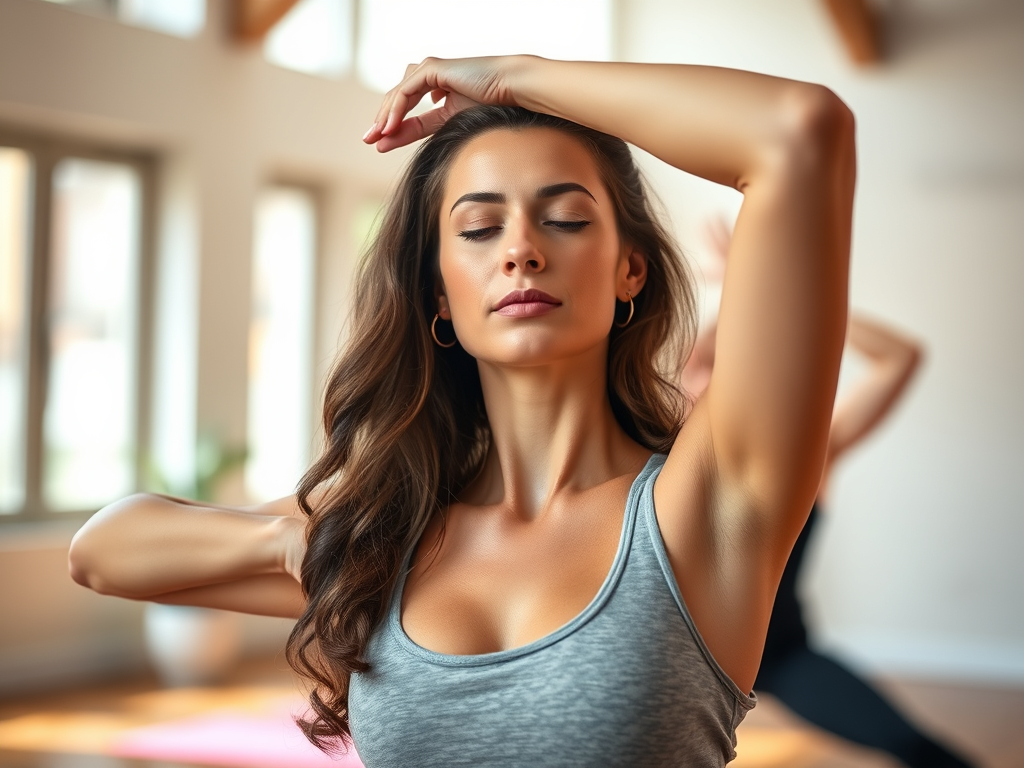
Feel free to swap exercises to keep things interesting. For example, instead of regular squats, you could try sumo squats (feet wider apart) or do step-ups on a sturdy stool. Instead of lunges, you could do glute bridges or wall sits as alternative leg exercises. The key is to hit similar muscle groups.
For cardio, you can incorporate short bursts between strength moves (e.g. do 30 seconds of jogging in place or mountain climbers to get your heart rate up). You can also dedicate certain days to pure cardio: a brisk walk, jogging around the block, or dancing to your favorite playlist in the living room all count as no-equipment workouts. (For a deeper dive into cardio options, check out our post on Running vs Walking – it compares these two popular at-home cardio exercises and can help you decide which suits you best.)
Workout Frequency: As a beginner, try doing this routine about 3 times a week (e.g. Monday, Wednesday, Friday), giving yourself rest days in between for recovery. On rest days, you can stay active by going for a walk or doing some gentle stretching or yoga. As you get fitter, you might increase workouts to 4–5 times a week, or make the routine a bit more challenging (for example, add more reps or an extra circuit round).
Remember, consistency beats intensity for beginners. A moderate 20-minute workout done regularly will benefit you more than a two-hour hardcore session that leaves you so sore you skip the next week. Take it one step at a time, and enjoy the process of getting stronger!
Safety Tips for Home Workouts
Exercising at home is generally safe, but it’s important to take a few precautions to avoid injury and ensure you have a great experience. Keep these safety tips in mind:
- Always Warm Up and Cool Down: We mentioned this earlier, but it’s worth repeating. Begin each workout with 5–10 minutes of warm-up (light cardio and dynamic stretches) and end with a cool-down and stretches. Warming up properly prepares your muscles and can prevent strains Cooling down helps your body recover and may reduce soreness.
- Use Proper Form: When you’re not in a gym class, you don’t have a trainer watching your form – so pay extra attention to it yourself. Perform exercises in a slow, controlled manner. If you’re unsure about form, consider watching reputable online videos or using a mirror to check yourself. Good form not only works the intended muscles better but also protects you from injury. As Harvard Health advises, never sacrifice form by rushing through reps. It’s better to do fewer repetitions correctly than to do more with poor form.
- Start Easy and Progress Gradually: In the beginning, less is more. Avoid the temptation to jump into a long workout or advanced moves right away. Overdoing it can lead to excessive soreness or overuse injuries. It’s perfectly fine to start with just 10 minutes of exercise or only one set of each move. As your fitness improves, you can slowly ramp up the intensity or duration. For example, add 2 more reps each week, or an extra set once you feel ready. Gradual progress is safer and more sustainable than doing too much on Day 1.
- Create a Safe Environment: Clear the clutter from your workout space to prevent trips or falls. If you’re doing moves like push-ups or planks, a mat can prevent your hands and feet from slipping on hard floors. Make sure any chairs or surfaces you use for support (like for incline push-ups or step-ups) are stable. Exercise indoors in bare feet or athletic shoes rather than slick socks. Also, be mindful of pets or children underfoot when you’re exercising at home – you don’t want Fido jumping on you mid-plank!
- Stay Hydrated and Cool: Keep a water bottle nearby and take sips during breaks. Even without intense gym equipment, you’ll work up a sweat with bodyweight exercises. Drinking water helps you maintain performance and prevents dehydration. If your room is very warm, use a fan or open a window for ventilation. On the flip side, if it’s cold, ensure you warm up extra thoroughly to get your body temperature up before vigorous exercise.
- Listen to Your Body (No Ego!): When exercising solo, it’s easy to push too hard without realizing it. Pay attention to warning signs like dizziness, chest pain, or extreme shortness of breath – stop immediately if those occur. For muscle exercises, distinguish between the discomfort of muscle effort (that burning feeling which is okay) and a sharp pain (which is not okay). Never push through sharp pain. If you feel overly exhausted or form is breaking down, it’s time to call it a day. There’s always tomorrow. As the saying goes, “Exercise should challenge you, not break you.”
Most importantly, enjoy the process. Safety is about setting yourself up so you can work out again and again. By warming up, using good form, and pacing yourself, you’ll avoid setbacks and keep making progress.
Staying Motivated and Consistent
Starting a home workout routine is one thing – sticking with it is where the real magic happens. We all have days when motivation dips. Here are some tips to stay consistent and make fitness a lasting habit:
- Set Clear, Realistic Goals: Define what you want to achieve. Is your goal to exercise 3 times a week? To be able to do 20 push-ups? Or maybe to lose a certain number of pounds or simply feel more energetic? Write your goals down. Having clear goals (big or small) gives you something to work toward and can keep you motivated mayoclinic.org. Make sure your goals are realistic for your starting point – accomplishing them will boost your confidence and encourage you to set new ones.
- Create a Routine (Schedule It): Treat your home workouts like appointments. For example, decide that every Monday, Wednesday, and Friday at 7 AM (or whatever time suits you), you have a workout date with yourself. Put it on your calendar or set reminders on your phone. When exercise becomes a regular part of your weekly schedule, it’s easier to follow through, just like brushing your teeth or showing up for work. Consistency is key, and having a routine helps make it automatic.
- Track Your Progress: Keep a simple workout log or journal. Record what you did each session – how many reps, how long, etc. You’ll be amazed to look back after a month and see improvements. Maybe you could only hold a plank for 15 seconds at first and now you’re at 30 seconds, or you’ve progressed from incline push-ups to push-ups on the floor. Seeing progress, no matter how small, is incredibly motivating. It proves that your hard work is paying off and pushes you to continue.
- Mix It Up: Doing the same exact workout every time can get boring. Don’t be afraid to change your routine once in a while or try new exercises. Variety keeps things interesting and works different muscles. You could designate each day for a different focus (e.g. Mondays for cardio, Wednesdays for strength, Fridays for yoga/stretching). Or just swap in a new bodyweight exercise when you feel your routine is getting stale. Trying new workout videos or fitness apps can also introduce fresh ideas. By cross-training with different activities, you’ll stay engaged and avoid burnout mayoclinic.org.
- Make it Fun: Find ways to make your workouts enjoyable. Play your favorite upbeat music while you exercise – it can make that last set of squats feel easier when your jam is on! You could also turn it into a game (for example, draw random exercises from a jar to create a workout) or reward yourself afterward with something you enjoy (a smoothie, a relaxing hot shower, or an episode of your favorite show). Some people love checking off a calendar each day they work out – it’s surprisingly satisfying to see a streak of X’s grow.
- Find an Accountability Buddy: Just because you’re working out at home doesn’t mean you have to go it alone. Tell a friend or family member about your fitness plan. Better yet, invite them to join you – even if it’s remotely. You can challenge each other (“Did you do your 3 workouts this week?”) or even video call and exercise “together.” Knowing someone else is cheering you on (and expecting you to do what you said) can be a powerful motivator. Online communities or social media groups for fitness beginners are another great source of support and accountability.
- Be Patient and Kind to Yourself: Consistency doesn’t mean perfection. There will be days you skip a workout or weeks when life gets crazy. That’s okay – what matters is getting back on track as soon as you can. Don’t let one missed day turn into a missed month. Instead of all-or-nothing, adopt an “always something” mindset. If you’re not feeling a full workout, do 5 minutes of stretching or a short walk. Something is always better than nothing, and it keeps you in the habit. Celebrate your efforts and milestones, no matter how small. Did you exercise twice this week? High five! Everyone starts somewhere, and every bit of progress is a win.
- Remember Your “Why”: On those days when motivation is low, remind yourself why you started. Maybe you want to have more energy, improve your health, or feel stronger and more confident. It can help to visualize how far you’ve come and the results you’re aiming for. Keep a written note of your “why” or an inspiring quote where you can see it (on the fridge or as your phone wallpaper). This can rekindle your drive when you need a little push.
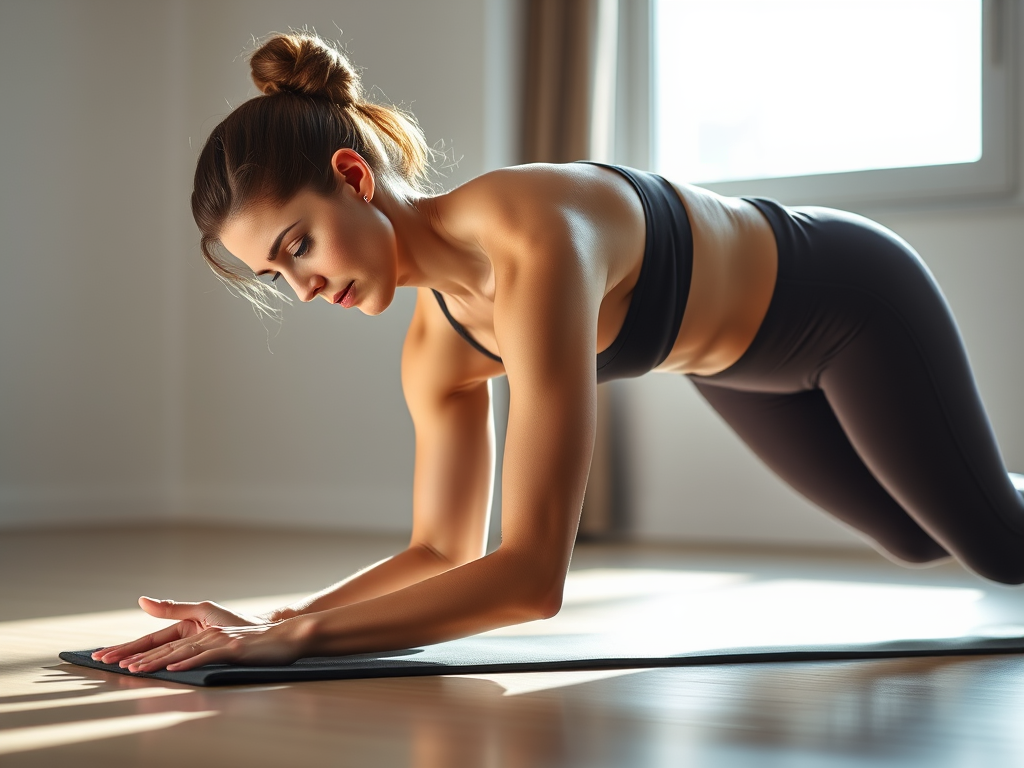
Staying motivated is an ongoing process – even fitness enthusiasts have to find ways to pump themselves up sometimes. The trick is to create an environment and mindset that make it easier to exercise regularly. By setting doable goals, keeping things fun, and being consistent, you’ll turn these no-equipment home workouts from a new experiment into a healthy habit.
Final Thoughts
Starting a beginner’s home workout routine without equipment is one of the best things you can do for yourself. It’s simple, accessible, and truly effective. You’ll save time and money, gain strength and confidence, and improve your health one rep at a time. Remember that every expert was once a beginner – the difference is they kept going. Now you have all the tips and tools to embark on your own fitness journey from the comfort of home.
So put on some comfy clothes, cue up a great playlist, and give it a go! You have nothing to lose (except maybe some stress and a few extra pounds) and so much to gain. With each workout, you’re investing in a healthier, happier you – no gym required. Good luck, have fun, and you got this! 💪

Leave a comment