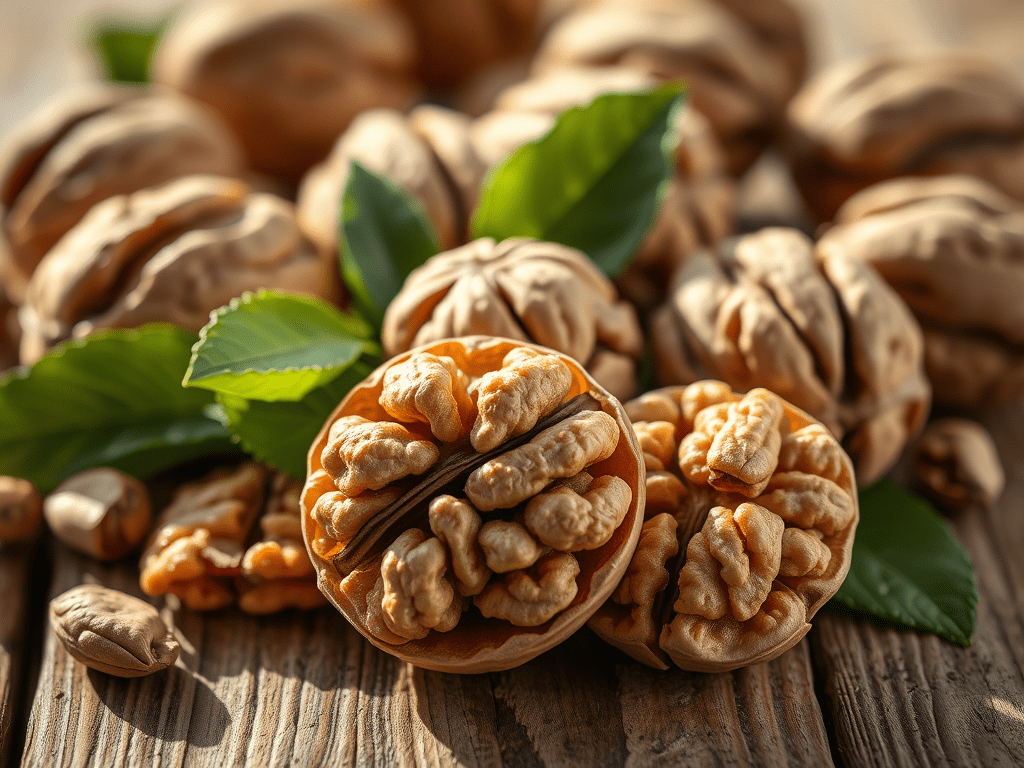
Walnuts are a versatile and nutrient-rich superfood that deserve a place in every healthy diet. Whether you’re sprinkling them on your morning oatmeal or enjoying them as a midday snack, these brain-shaped nuts offer a powerful punch of health benefits. What are the benefits of eating walnuts daily? Research shows that daily walnut consumption supports heart health, enhances brain function, and even contributes to anti-aging due to their rich antioxidant profile. In this post, we’ll dive deep into the nutritional profile of walnuts, explore their science-backed health benefits, uncover potential risks, and share simple, delicious ways to add walnuts to your diet every day.
Nutritional Profile of Walnuts
Walnuts stand out in the nut family thanks to their unique combination of macronutrients and micronutrients that promote overall well-being. They’re an excellent source of healthy fats, particularly polyunsaturated fats, and provide a good amount of plant-based protein and dietary fiber, making them both satisfying and heart-healthy. What truly sets them apart is the impressive omega-3 content in walnuts, especially alpha-linolenic acid (ALA), a type of plant-based omega-3 that supports heart and brain health. Walnuts also pack a punch of Vitamin E, magnesium, and powerful antioxidants that help reduce inflammation and oxidative stress. When compared to other popular nuts like almonds or pecans, walnuts contain significantly more ALA, giving them a distinct edge in supporting cardiovascular and cognitive health. → Curious how they stack up against almonds? Check out our detailed breakdown in the Nutritional Profile of Almonds blog post.

Health Benefits of Walnuts
Walnuts are more than just a tasty snack—they’re a functional food packed with nutrients that deliver a wide range of health benefits.
A. Heart Health
One of the most researched benefits is their positive effect on cardiovascular health. Walnuts help lower LDL (bad) cholesterol, improve blood vessel function, and reduce inflammation, all of which are crucial for maintaining a healthy heart. Curious about how walnuts improve heart health? Their high omega-3 (ALA) content, along with antioxidants and plant sterols, plays a key role in protecting your arteries and reducing the risk of heart disease.
B. Brain Function and Memory
If you’re wondering are walnuts good for memory, the answer is yes. Walnuts are rich in antioxidants and omega-3 fatty acids, both of which support brain health. Studies suggest that regular walnut consumption may improve cognitive performance, protect against brain aging, and support better focus and memory.
C. Anti-Inflammatory and Anti-Aging Effects
Thanks to their abundance of polyphenols and antioxidants, walnuts help combat oxidative stress and chronic inflammation—two major drivers of aging and disease. This makes them a powerful addition to any anti-aging diet. → Explore more in our related guide: Top Anti-Aging Foods.
D. Weight Management
Despite being calorie-dense, walnuts can actually support healthy weight management. Their combination of fiber, protein, and healthy fats promotes satiety, which may help reduce overall calorie intake. So, do walnuts help with weight loss? Absolutely—when eaten in moderation, they can keep you full longer and support metabolic health.
How to Eat Walnuts Daily
Incorporating walnuts into your daily routine is simple—and delicious. A common question people ask is, “how many walnuts should I eat per day?” Nutrition experts recommend around 1 ounce (about 7 whole walnuts) daily to enjoy their full health benefits without overdoing the calories.
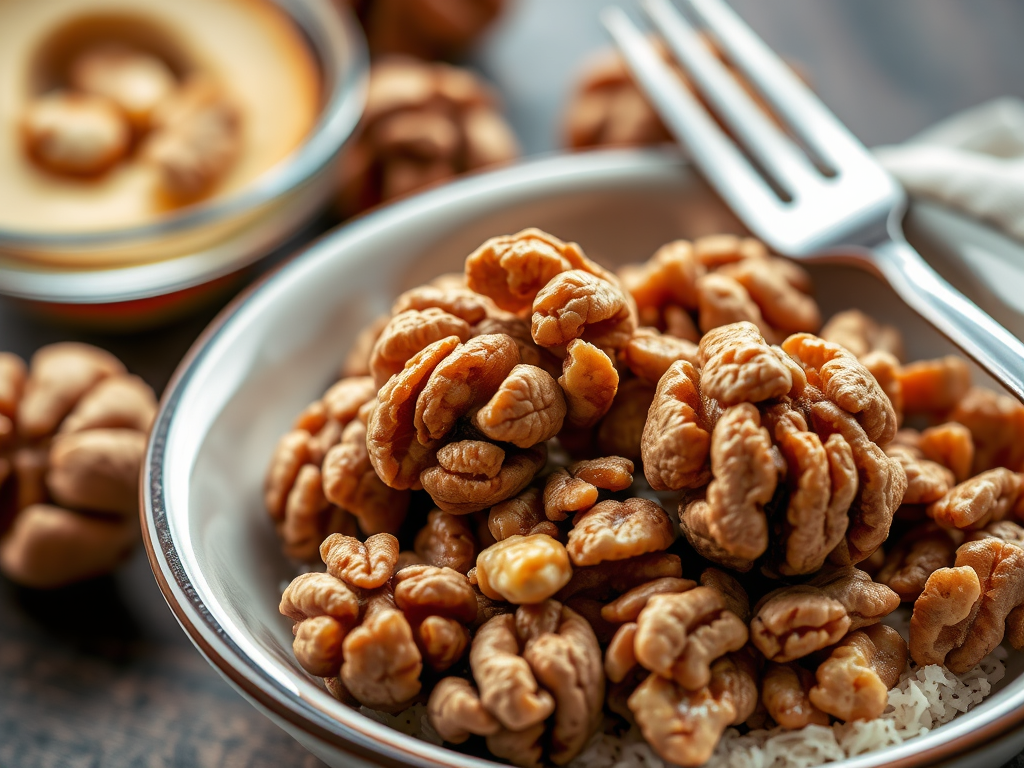
When it comes to preparation, raw walnuts offer the highest nutrient content, while roasted walnuts provide a richer flavor—just be sure to choose dry-roasted, unsalted options. Soaked walnuts are also popular for improving digestibility and enhancing nutrient absorption.
Looking for the best ways to eat walnuts? Try blending them into smoothies, sprinkling them on oatmeal or salads, or using them in baking recipes like healthy muffins or granola bars. Their nutty crunch and earthy flavor pair well with both sweet and savory dishes, making walnuts one of the easiest superfoods to enjoy every single day.
Potential Side Effects and Precautions
While walnuts are packed with nutrients, it’s important to enjoy them in moderation. One concern is their high caloric density—eating too many can lead to unwanted weight gain. This raises a common question: “can eating too many walnuts be harmful?” The answer is yes, if consumed in excess, due to their high fat and calorie content, even though those fats are healthy.
Another key consideration is walnut allergy symptoms, which can include itching, swelling, hives, and in severe cases, anaphylaxis. Anyone with a known tree nut allergy should avoid walnuts and consult a healthcare provider before introducing them into their diet.
Additionally, walnuts contain oxalates, compounds that in large amounts can contribute to kidney stone formation, particularly in individuals prone to kidney issues. If you’re managing kidney health, it’s best to consult a professional about safe consumption levels.
Being mindful of portion control and personal sensitivities ensures you get the benefits of walnuts without the risks.
Fun Facts About Walnuts
Walnuts have a fascinating history that dates back thousands of years. The most commonly consumed variety today, the Persian walnut (Juglans regia), originated in Central Asia and the Middle East, while the black walnut is native to North America and known for its bold flavor and tough shell.
In ancient cultures, walnuts were considered a symbol of intelligence—likely due to their brain-like appearance. Ancient Greeks and Romans believed they could enhance brain power and even used them in traditional medicine.
Today, California is the world’s leading producer of walnuts, accounting for over 99% of the U.S. supply and nearly two-thirds of global production. The state’s ideal climate and rich soil make it perfect for growing this nutrient-dense superfood. Whether for their health benefits or rich heritage, walnuts are truly nuts with a legacy.
Conclusion
Walnuts are a powerhouse superfood packed with omega-3s, antioxidants, fiber, and essential vitamins and minerals. From supporting heart health and boosting brain function to offering anti-aging and weight management benefits, adding walnuts to your diet can have a meaningful impact on your overall well-being. With so many easy and delicious ways to enjoy them—whether raw, roasted, or in your favorite recipes—there’s no reason not to make walnuts a daily habit.
Do you eat walnuts daily? Share your favorite walnut recipe in the comments below—we’d love to hear how you enjoy this nutritious nut!
FAQ: Walnuts – Quick Answers to Common Questions
1. Are walnuts better than almonds?
Both walnuts and almonds offer unique health benefits, but walnuts are higher in omega-3 fatty acids (ALA), which support heart and brain health. Almonds, on the other hand, have more vitamin E and slightly fewer calories. It’s not about choosing one over the other—both can be part of a balanced, nutrient-rich diet.
2. Can I eat walnuts on an empty stomach?
Yes, eating walnuts on an empty stomach is perfectly safe and can even help jumpstart your metabolism. Their healthy fats and protein can keep you feeling full longer and provide sustained energy throughout the morning.
3. How long do walnuts stay fresh?
Walnuts can stay fresh for up to 6 months in the fridge or up to a year in the freezer when stored in an airtight container. To preserve their nutrients and prevent rancidity, avoid leaving them at room temperature for long periods—especially if shelled.


Leave a comment