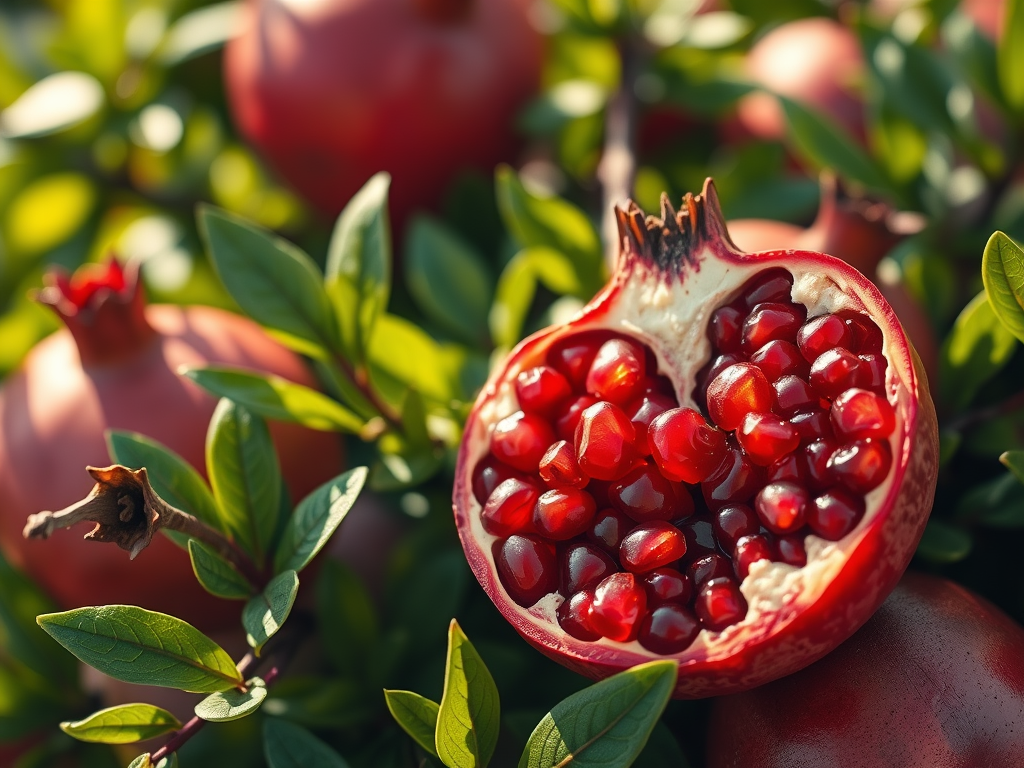
Pomegranates are a nutrient-packed superfood loaded with powerful antioxidants that support overall health. This vibrant, jewel-like fruit has been prized for centuries—not just for its delicious sweet-tart flavor but also for its impressive health benefits, including heart health, immune support, and inflammation reduction.
A Fruit with a Rich History
Originating from the Middle East and Mediterranean regions, pomegranates have been revered in various cultures. Ancient Egyptians associated them with prosperity and health, while Greek mythology linked them to the changing seasons. In Ayurveda and traditional Chinese medicine, they are prized for their healing properties.
Why You Should Eat More Pomegranates
Beyond their historical significance, pomegranates are loaded with antioxidants, vitamins, and minerals that support heart health, boost immunity, and fight inflammation. Whether enjoyed fresh, juiced, or added to dishes, this fruit is as versatile as it is nutritious.
Stay tuned as we dive deeper into the science-backed benefits of pomegranates and how to incorporate them into your diet effortlessly!
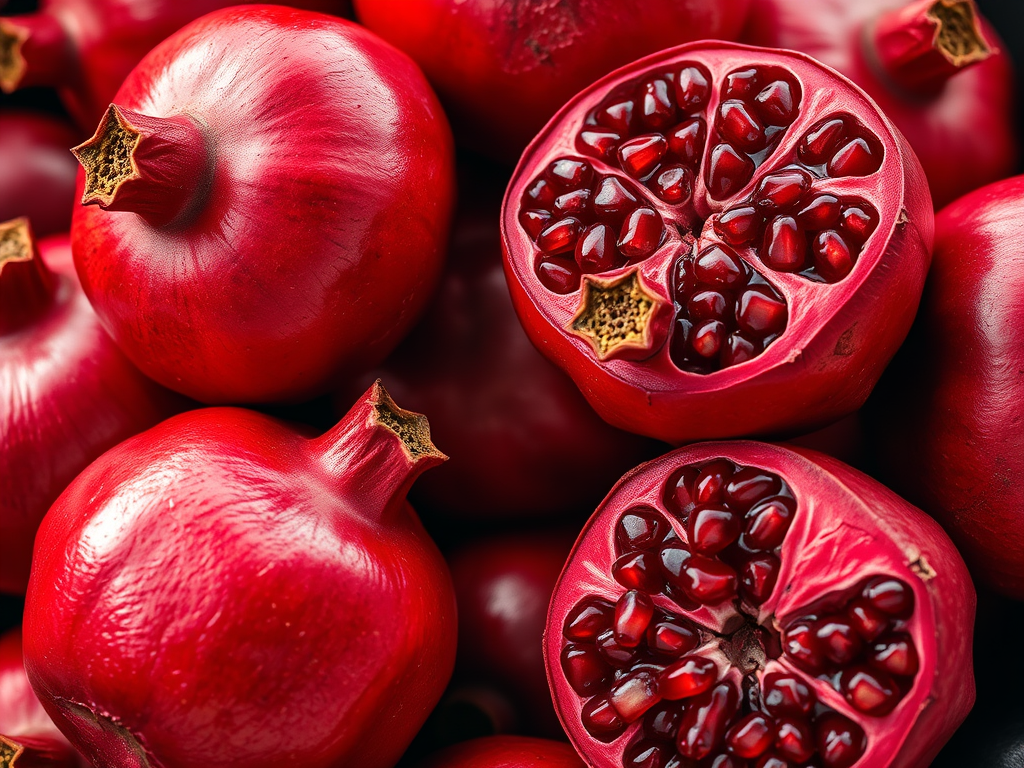
Pomegranate Nutrition: A Powerhouse of Vitamins, Minerals, and Antioxidants
Pomegranates are loaded with essential nutrients that promote overall health. Here’s a breakdown of their key components:
Antioxidants – Rich in polyphenols, flavonoids, and punicalagins, pomegranates help fight free radicals, reducing inflammation and oxidative stress.
Vitamin C – Boosts immunity, supports skin health, and enhances collagen production.
Vitamin K – Essential for blood clotting and bone health.
Folate (Vitamin B9) – Supports cell growth and is especially important for pregnant women.
Potassium – Helps regulate blood pressure, supports heart function, and aids muscle contractions.
Fiber – Promotes digestive health and keeps you feeling full longer.
With this powerhouse of vitamins, minerals, and antioxidants, pomegranates are a must-have for a healthy, balanced diet!
Sources:
- Healthline: https://www.healthline.com/nutrition/12-proven-benefits-of-pomegranate
- Verywell Health: https://www.verywellhealth.com/pomegranate-8644797
- SNAP-Ed Connection – USDA: https://snaped.fns.usda.gov/resources/nutrition-education-materials/seasonal-produce-guide/pomegranates
Calories and Macronutrient Composition of Pomegranates
Pomegranates are a nutrient-dense fruit that provides a good balance of carbohydrates, fiber, and natural sugars, making them a great addition to a healthy diet. Here’s a breakdown of their caloric and macronutrient profile per 100 grams (about half a pomegranate):
- Calories: 83 kcal
- Carbohydrates: 18.7 g
- Sugars: 13.7 g
- Fiber: 4 g
- Protein: 1.7 g
- Fats: 1.2 g
Pomegranates are low in fat and protein but high in fiber and natural sugars, making them an excellent energy-boosting snack. The fiber content helps with digestion and keeps you feeling full, while the natural sugars provide a quick source of energy without spiking blood sugar levels drastically.
With their low-calorie yet nutrient-rich profile, pomegranates are a perfect addition to smoothies, salads, and healthy snacks!
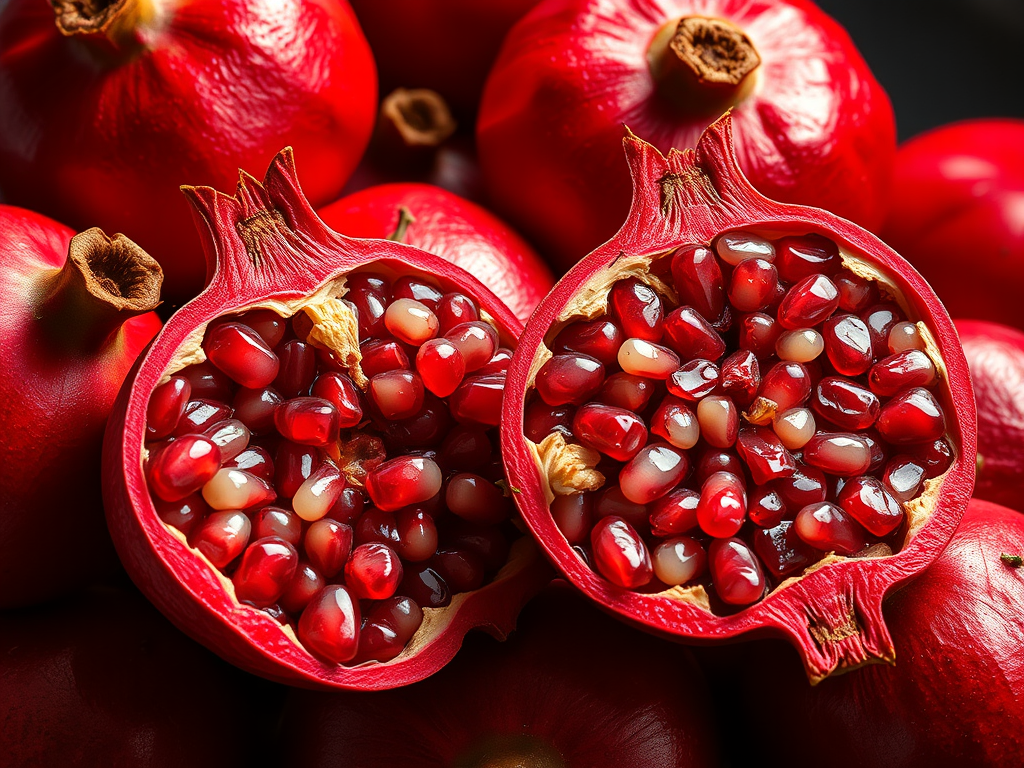
Pomegranates vs. Other Fruits: A Nutritional Comparison
Pomegranates stand out among fruits due to their high antioxidant content, but how do they compare to other popular fruits in terms of nutritional benefits? Here’s a breakdown:
1. Pomegranates vs. Blueberries (Antioxidants & Brain Health)
- Pomegranates: Rich in punicalagins and anthocyanins, which help reduce inflammation and protect heart health.
- Blueberries: Contain flavonoids and anthocyanins, known for their brain-boosting benefits and memory support.
- Winner: Both are excellent, but pomegranates have higher antioxidant levels overall.
2. Pomegranates vs. Oranges (Vitamin C & Immunity)
- Pomegranates: Provide 10-15% of the daily Vitamin C requirement per serving.
- Oranges: Offer over 100% of the daily Vitamin C need, making them the better choice for immune support.
- Winner: Oranges are better for Vitamin C, but pomegranates provide additional anti-inflammatory benefits.
3. Pomegranates vs. Bananas (Potassium & Energy)
- Pomegranates: Contain 236 mg of potassium per 100g, aiding muscle function and heart health.
- Bananas: Provide 358 mg of potassium per 100g, making them superior for post-workout recovery.
- Winner: Bananas have more potassium, but pomegranates offer more antioxidants.
4. Pomegranates vs. Apples (Fiber & Digestion)
- Pomegranates: Offer 4g of fiber per 100g, helping with digestion and gut health.
- Apples: Provide 2.4g of fiber per 100g, but also contain pectin, which promotes gut bacteria growth.
- Winner: Pomegranates have more fiber, making them better for digestion and satiety.
Health Benefits of Pomegranates
Pomegranates are not just delicious; they also offer a wide range of health benefits thanks to their rich nutritional profile. Here’s how this superfruit can improve your health:
1. Rich in Antioxidants – Fighting Free Radicals and Preventing Cell Damage
Pomegranates are packed with polyphenols like punicalagins, which are powerful antioxidants. These compounds help neutralize harmful free radicals in the body, reducing oxidative stress and preventing cell damage. This can lower the risk of chronic diseases and protect against aging at the cellular level.
2. Heart Health – Benefits for Blood Pressure and Cholesterol
Pomegranates are known to improve heart health by reducing high blood pressure and improving cholesterol levels. Studies suggest that consuming pomegranate juice regularly can help lower LDL (bad) cholesterol and increase HDL (good) cholesterol. The antioxidants in pomegranates also help protect blood vessels from damage, promoting healthy circulation and reducing the risk of heart disease.
3. Anti-Inflammatory Properties – Supporting Joint Health
The anti-inflammatory compounds in pomegranates, such as ellagic acid, can help reduce inflammation in the body. This is especially beneficial for individuals suffering from arthritis and other chronic inflammatory diseases, as it helps alleviate pain and swelling, promoting joint health and mobility.
4. Supports Immunity – Boosting the Immune System
Packed with Vitamin C, pomegranates play a key role in boosting the immune system. Vitamin C is essential for fighting infections and supporting the body’s natural defense mechanisms. Additionally, pomegranates contain other bioactive compounds like tannins that further enhance immune function, helping the body ward off illness.
5. Improves Digestion – Fiber Content and Gut Health
Pomegranates are a great source of dietary fiber, which promotes healthy digestion. Fiber aids in regular bowel movements and helps prevent constipation. It also supports gut health by feeding beneficial bacteria, fostering a balanced microbiome, and enhancing nutrient absorption.
6. Skin and Hair Benefits – Anti-Aging and Promoting Healthy Skin
The antioxidants in pomegranates not only protect the skin from free radical damage but also help with anti-aging. Pomegranate extract has been shown to stimulate collagen production, which can improve skin elasticity and reduce the appearance of wrinkles. Additionally, pomegranates promote healthy hair growth by improving circulation to the scalp, nourishing hair follicles, and preventing premature hair loss.
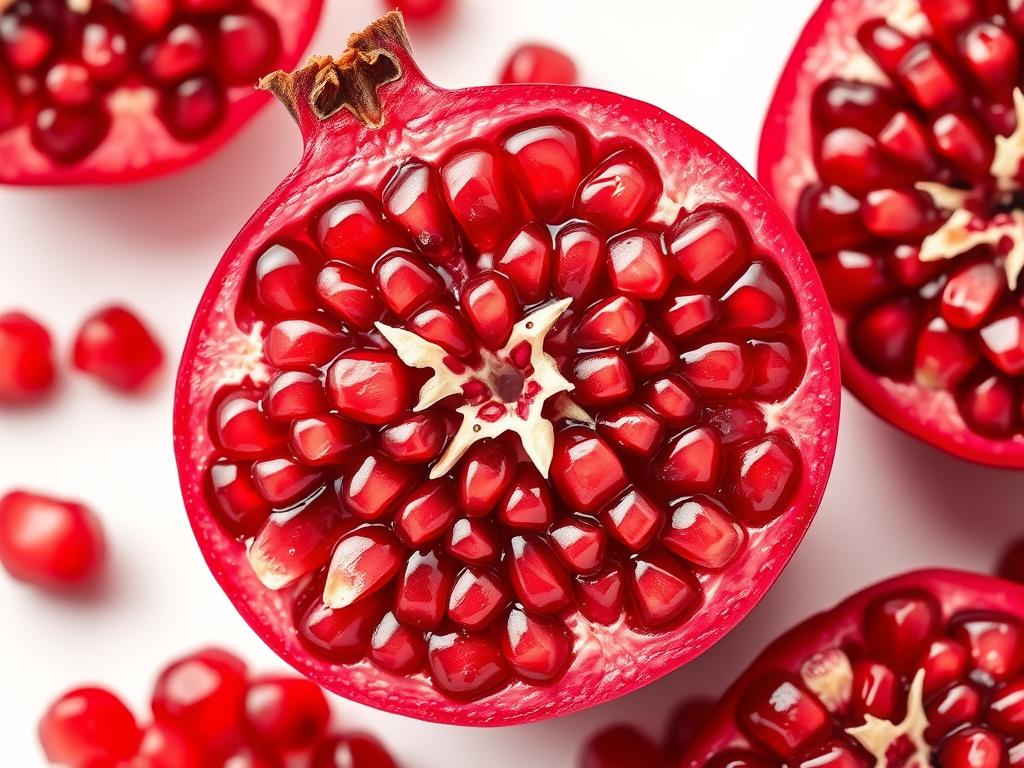
Pomegranate Recipes to Try
Pomegranates are not just for snacking—this vibrant fruit can be used in a variety of recipes to add a burst of flavor and nutrition. Here are some delicious and healthy pomegranate recipes to try:
1. Pomegranate Juice – A Refreshing Antioxidant-Rich Drink
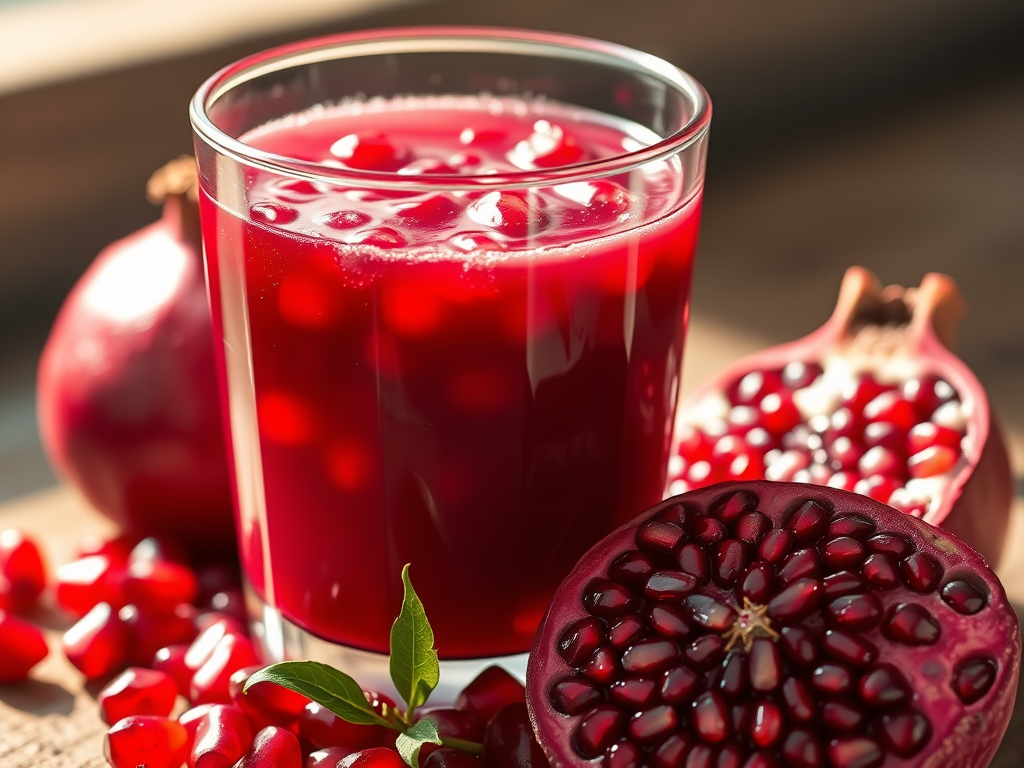
Pomegranate juice is a simple yet delicious way to enjoy the health benefits of this superfruit. To make fresh juice, just blend the seeds of one or two pomegranates with water, then strain out the pulp. Enjoy it as a refreshing drink packed with antioxidants and vitamin C. You can also add a splash of lime or mint for extra flavor.
2. Pomegranate Salad – A Mix of Greens, Nuts, and Seeds
For a light, nutrient-packed dish, try a pomegranate salad. Combine fresh greens like spinach or arugula with pomegranate seeds, walnuts, feta cheese, and a handful of seeds like pumpkin or sunflower. Drizzle with a simple balsamic vinaigrette or olive oil and lemon juice for a refreshing, antioxidant-rich salad that’s perfect for lunch or as a side dish.
3. Pomegranate Smoothie – A Healthy and Energizing Breakfast Option
Start your day with a pomegranate smoothie packed with vitamins and energy-boosting nutrients. Blend pomegranate seeds with Greek yogurt, a banana, and a splash of almond milk. For an extra boost, add a handful of spinach, chia seeds, or protein powder. This smoothie is perfect for a quick breakfast or post-workout refuel.
4. Pomegranate Glazed Chicken – A Savory Dish Using Pomegranate Juice
For a unique savory dish, try pomegranate glazed chicken. Combine pomegranate juice, honey, garlic, and soy sauce to create a tangy glaze. Grill or roast chicken breasts, then brush with the pomegranate glaze during the last few minutes of cooking. The sweet and savory combination makes for a flavorful meal that pairs well with steamed vegetables or quinoa.
Potential Side Effects and Considerations of Pomegranates
While pomegranates offer numerous health benefits, there are some considerations to keep in mind when consuming this superfruit. Here’s a breakdown of potential side effects and situations where you might want to limit your intake:
1. Who Should Limit Pomegranate Intake?
- People on Blood Thinners: Pomegranates can interfere with blood clotting because they have natural anticoagulant properties. If you’re taking blood thinners (e.g., warfarin), it’s important to consult with your doctor before consuming large amounts of pomegranate or drinking pomegranate juice.
- People with Low Blood Pressure: Pomegranates are known to lower blood pressure, so if you already have low blood pressure or are taking medication for hypertension, it’s advisable to monitor your intake.
2. Possible Allergic Reactions
While rare, some individuals may experience allergic reactions to pomegranates. Symptoms of a pomegranate allergy can include:
- Itching or swelling in the mouth or throat
- Skin rashes or hives
- Difficulty breathing (in extreme cases)
If you experience any of these symptoms, it’s important to stop consuming pomegranates and seek medical advice.
3. Interaction with Medications
Pomegranates, particularly in juice or concentrated extract form, can interact with certain medications. Some key interactions to be aware of:
- Medications for Blood Pressure: As mentioned, pomegranates can lower blood pressure, so combining them with blood pressure medications may cause your blood pressure to drop too low.
- Statins (Cholesterol-Lowering Drugs): Pomegranates may interfere with the effectiveness of statins like atorvastatin or simvastatin, which are used to lower cholesterol. Always consult with your doctor before consuming pomegranate if you’re on these medications.
- Immunosuppressants: Pomegranate might interfere with medications used to suppress the immune system, such as those used after organ transplants.
Why Pomegranates Are a Must-Have in Your Diet
Pomegranates are more than just a delicious, vibrant fruit—they’re a nutrient powerhouse with a wide array of health benefits. From their high antioxidant content that helps fight free radicals to their ability to support heart health, immunity, and digestion, pomegranates truly deserve a place in your diet. The versatility of pomegranates also makes them easy to incorporate into a variety of meals—whether you’re enjoying them as a refreshing juice, a nutrient-packed salad, or a savory glaze for chicken.
With all their health benefits and delicious flavor, there’s no reason not to enjoy pomegranates regularly. Whether you’re looking to boost your immune system, improve your digestion, or simply enjoy a healthy, tasty snack, pomegranates are a great choice.
Share with us!
We’d love to hear from you! Share your favorite way to enjoy pomegranates in the comments below. Do you have a favorite recipe or snack idea? Let’s inspire each other to get creative with this amazing fruit!


Leave a comment