Maintaining stable blood sugar levels is essential for overall health, particularly in preventing diabetes, reducing the risk of metabolic disorders, and promoting long-term well-being. Fluctuations in blood sugar can lead to energy crashes, mood swings, increased cravings, and weight gain. Over time, consistently high blood sugar may contribute to insulin resistance, increasing the likelihood of type 2 diabetes, heart disease, and other chronic health conditions.
Fortunately, there are natural, science-backed methods to help regulate blood sugar, enhance insulin sensitivity, and support optimal metabolic function. By making simple lifestyle changes, including dietary adjustments, regular exercise, stress management, and proper hydration, you can significantly improve blood sugar control and maintain steady energy levels throughout the day.
In this article, we’ll explore 10 powerful strategies to help you stabilize blood sugar, prevent spikes and crashes, and support long-term health. Whether you are looking to manage diabetes, boost your metabolism, or simply improve your daily energy levels, these expert-backed tips will guide you toward better blood sugar balance naturally.
1. Eat Low-Glycemic Foods to Maintain Stable Blood Sugar Levels
Eating low-glycemic index (GI) foods is one of the most effective ways to regulate blood sugar and prevent sudden spikes and crashes. The glycemic index (GI) measures how quickly carbohydrates in foods convert into glucose and enter the bloodstream. Foods with a high GI cause a rapid increase in blood sugar, followed by a sudden drop, leading to fatigue, cravings, and increased hunger. On the other hand, low-GI foods provide a steady release of energy, helping to maintain stable blood sugar levels throughout the day.
Best Low-Glycemic Foods for Blood Sugar Control:
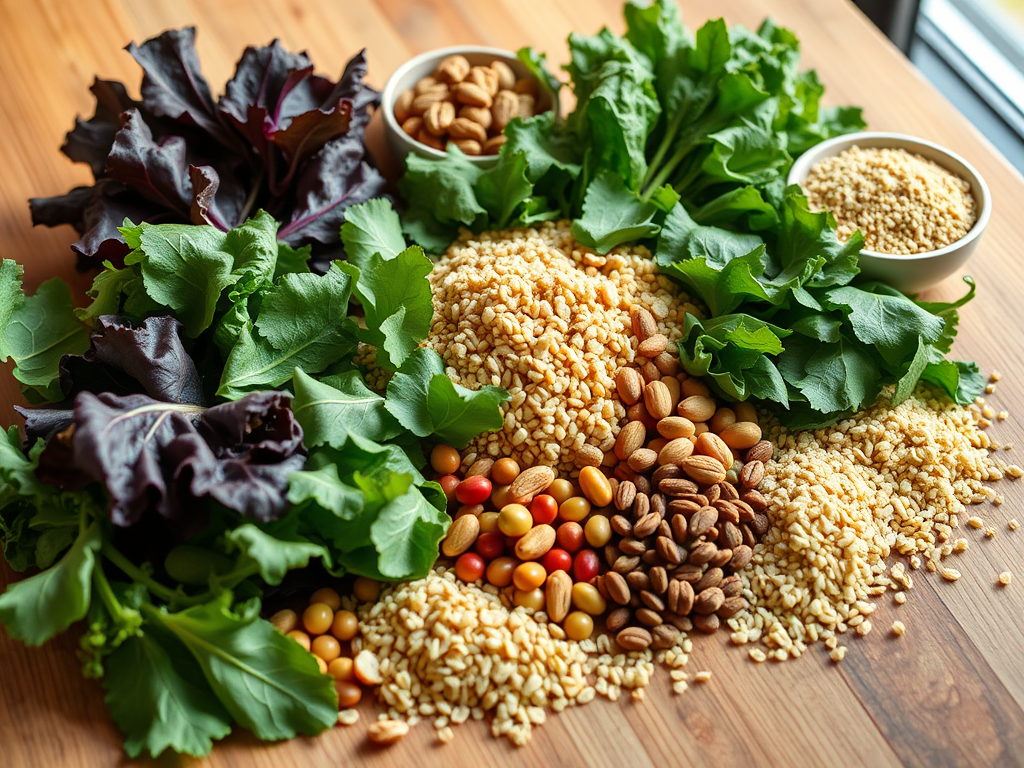
Incorporating low-GI foods into your diet can significantly improve insulin sensitivity, reduce diabetes risk, and promote long-term metabolic health. Here are some of the best low-GI foods to include in your daily meals:
- Leafy greens (spinach, kale, Swiss chard) – Packed with fiber, antioxidants, and essential vitamins.
- Legumes (lentils, chickpeas, black beans) – High in protein and fiber, helping to slow down glucose absorption.
- Quinoa – A nutrient-dense whole grain with a low glycemic load and a high protein content.
- Nuts and seeds (almonds, walnuts, chia seeds, flaxseeds) – Provide healthy fats, fiber, and protein, which help stabilize blood sugar levels.
- Whole grains (oats, barley, brown rice) – Rich in fiber, which slows digestion and prevents blood sugar spikes.
Foods to Avoid: High-GI Foods That Spike Blood Sugar
Certain foods have a high glycemic index, causing rapid blood sugar fluctuations and increasing the risk of insulin resistance. Limiting or avoiding these foods can help you maintain better glucose control:
- White bread and refined grains – Stripped of fiber and nutrients, leading to rapid glucose absorption.
- Sugary cereals – Often loaded with added sugars and refined carbohydrates that spike blood sugar.
- White rice – A processed grain with a high glycemic load that can raise blood sugar levels quickly.
- Processed snacks (chips, cookies, pastries) – Typically high in refined sugar, unhealthy fats, and simple carbohydrates that contribute to insulin resistance.
By choosing low-GI foods and avoiding high-GI options, you can take control of your blood sugar levels, reduce cravings, and support long-term metabolic health. Making these simple dietary swaps will help you maintain steady energy levels and prevent blood sugar crashes throughout the day.
References:
Diabetes Canada – Glycemic Index (GI) Food Guide
Harvard Health Publishing – A Good Guide to Good Carbs: The Glycemic Index
Medical News Today – Low-Glycemic Foods: Best Options and Dietary Tips
Healthline – A Beginner’s Guide to the Low Glycemic Diet
2. Increase Fiber Intake for Better Blood Sugar Control
Eating a high-fiber diet is one of the most effective ways to stabilize blood sugar levels, improve insulin sensitivity, and promote digestive health. Fiber plays a crucial role in slowing down the absorption of sugar, preventing rapid spikes and crashes in blood glucose levels. It also helps you feel fuller for longer, reducing cravings and supporting healthy weight management, which is essential for diabetes prevention and overall metabolic health.
Why Fiber is Essential for Blood Sugar Regulation
There are two main types of fiber, and both contribute to better glucose control:
- Soluble fiber forms a gel-like substance in the digestive tract, slowing down the breakdown of carbohydrates and reducing blood sugar spikes.
- Insoluble fiber helps with digestion and promotes gut health, which plays a key role in metabolic function.
Best High-Fiber Foods for Blood Sugar Balance
To maintain optimal blood sugar levels, aim for at least 25-30 grams of fiber daily from whole, unprocessed foods. Here are some of the best fiber-rich foods to include in your diet:
- Chia seeds – Loaded with soluble fiber, which helps slow glucose absorption and improve insulin response.
- Flaxseeds – High in both soluble and insoluble fiber, along with healthy omega-3 fatty acids that support heart health.
- Lentils and legumes – Rich in plant-based protein and fiber, keeping blood sugar stable and promoting satiety.
- Avocados – A great source of fiber and healthy fats, helping to slow digestion and prevent blood sugar spikes.
- Berries (blueberries, raspberries, blackberries) – Packed with antioxidants and fiber, helping to regulate glucose levels while satisfying sweet cravings.
How to Increase Fiber Intake for Blood Sugar Control
- Start your day with high-fiber foods, such as oats, chia pudding, or a smoothie with flaxseeds and berries.
- Replace refined grains with whole grains, such as quinoa, brown rice, or whole wheat bread.
- Snack on fiber-rich foods, like nuts, seeds, and fresh vegetables, instead of processed snacks.
- Increase fiber gradually and stay hydrated to support digestion and prevent bloating.
By making fiber a key part of your daily diet, you can naturally regulate blood sugar, reduce insulin resistance, and promote better overall health. Prioritizing fiber-rich foods will not only help keep glucose levels steady but also improve digestion, heart health, and long-term metabolic function.
3. Consume Healthy Fats to Improve Blood Sugar Control
Including healthy fats in your diet is essential for balancing blood sugar levels, improving insulin sensitivity, and supporting overall metabolic health. Unlike refined carbohydrates that cause glucose spikes, healthy fats help slow digestion, leading to a more gradual release of sugar into the bloodstream. This helps prevent blood sugar fluctuations, reduces cravings, and promotes longer-lasting energy levels.
How Healthy Fats Support Blood Sugar Regulation
- Improve insulin sensitivity, allowing your cells to use glucose more efficiently.
- Slow down digestion, preventing rapid sugar absorption and stabilizing glucose levels.
- Reduce inflammation, which is linked to insulin resistance and type 2 diabetes.
- Promote satiety, helping you feel fuller for longer and reducing cravings for processed carbs and sugars.
Best Healthy Fat Sources for Blood Sugar Balance
Incorporating high-quality, unprocessed fats into your diet can enhance metabolic function and prevent blood sugar spikes. Here are some of the best healthy fat sources to include in your meals:
- Avocados – Packed with monounsaturated fats and fiber, supporting insulin function and heart health.
- Nuts (almonds, walnuts, macadamia nuts) – Rich in healthy fats, protein, and fiber, making them an excellent snack for stable blood sugar.
- Seeds (chia seeds, flaxseeds, pumpkin seeds) – Provide a powerful combination of omega-3 fatty acids, fiber, and antioxidants.
- Olive oil – A staple of the Mediterranean diet, known for its anti-inflammatory properties and benefits in blood sugar regulation.
- Fatty fish (salmon, sardines, mackerel) – Loaded with omega-3 fatty acids, which reduce inflammation and support insulin sensitivity.
Fats to Avoid: Unhealthy Options That Disrupt Blood Sugar
While healthy fats promote blood sugar balance, certain types of fats can do the opposite by increasing inflammation and insulin resistance. It’s important to limit or avoid the following unhealthy fat sources:
- Trans fats – Found in fried foods, margarine, and many processed snacks, these fats can trigger inflammation and insulin resistance.
- Highly processed vegetable oils (canola oil, soybean oil, sunflower oil) – Often oxidized and linked to metabolic dysfunction.
Tips for Adding More Healthy Fats to Your Diet
- Swap butter for olive oil when cooking.
- Add avocado slices to salads, sandwiches, or smoothies.
- Snack on a handful of nuts or seeds instead of processed snacks.
- Choose wild-caught fatty fish at least twice a week for a boost of omega-3s.
By focusing on healthy fats and avoiding processed trans fats, you can support stable blood sugar levels, reduce cravings, and improve overall metabolic health. Making these simple dietary changes will help enhance insulin sensitivity and keep your energy levels steady throughout the day.
4. Strength Training & Exercise to Boost Blood Sugar Control
Regular physical activity is one of the most effective ways to improve insulin sensitivity, stabilize blood sugar levels, and promote overall metabolic health. Exercise helps your muscles use glucose for energy, reducing the amount of sugar in your bloodstream. It also helps your body become more responsive to insulin, making it easier for your cells to absorb and use glucose efficiently. This leads to more consistent energy levels and reduced risk of insulin resistance and type 2 diabetes.
How Exercise Improves Blood Sugar Regulation
- Increases insulin sensitivity – Regular exercise makes it easier for your body to use insulin to move glucose into cells, improving overall blood sugar control.
- Promotes glucose uptake – Physical activity helps muscle cells absorb glucose directly from the bloodstream, reducing circulating blood sugar levels.
- Boosts metabolism – Engaging in regular exercise helps enhance metabolic rate, further aiding in blood sugar balance.
- Improves cardiovascular health – Exercise supports heart health, which is crucial for diabetes prevention and reducing the risk of heart disease.
Best Exercises to Control Blood Sugar
Incorporating different types of physical activity into your routine can significantly improve blood sugar regulation. Here are some of the best exercises to help manage glucose levels effectively:
- Strength training (weight lifting, bodyweight exercises) – Builds muscle, which helps increase glucose uptake and improve insulin sensitivity.
- Resistance workouts (using bands or machines) – Helps tone muscles and boost insulin sensitivity for better blood sugar control.
- Walking after meals – A gentle activity that helps prevent post-meal blood sugar spikes by promoting glucose absorption in the muscles.
- HIIT (High-Intensity Interval Training) – Short bursts of intense exercise followed by rest periods, which are highly effective at improving insulin sensitivity and reducing blood sugar levels.
How Much Exercise is Needed for Optimal Blood Sugar Control?
Even if you’re busy, you don’t need to commit to long hours of exercise to experience the benefits. Studies show that just 30 minutes of moderate exercise daily can significantly improve blood sugar levels and enhance insulin function.
Tips for Incorporating Exercise Into Your Routine
- Start with walking after meals to help prevent blood sugar spikes.
- Incorporate strength training at least 2-3 times per week to build muscle and improve metabolic function.
- Try HIIT workouts for quick, effective exercise sessions that help manage blood sugar and burn fat.
- Stay consistent – Regular physical activity, even in small doses, will provide long-term benefits for blood sugar regulation.
By making exercise a part of your daily routine, you can improve insulin sensitivity, maintain healthy blood sugar levels, and promote overall well-being. Whether it’s through strength training, walking, or high-intensity exercise, staying active will help you keep your blood sugar levels stable and under control.
5. Manage Stress Effectively to Control Blood Sugar Levels
Chronic stress is a major contributor to high blood sugar levels, as it triggers the release of cortisol, the body’s primary stress hormone. Elevated cortisol levels can interfere with insulin sensitivity and cause blood sugar spikes, increasing the risk of insulin resistance and type 2 diabetes. Managing stress effectively not only helps reduce cortisol but also supports better blood sugar control and overall well-being.
How Stress Affects Blood Sugar Regulation
- Increases cortisol levels – Chronic stress leads to prolonged elevations in cortisol, which raises blood glucose and disrupts insulin function.
- Promotes insulin resistance – High cortisol levels can make the body’s cells less responsive to insulin, causing higher blood sugar over time.
- Increases cravings for unhealthy foods – Stress often leads to emotional eating, particularly cravings for high-sugar and high-fat foods that can cause blood sugar spikes.
- Disrupts sleep patterns – Poor sleep due to stress further elevates cortisol levels, making it harder to manage blood sugar.
Effective Stress Management Techniques for Better Blood Sugar Control
Incorporating stress-reducing activities into your daily routine can help lower cortisol levels and improve blood sugar regulation. Here are some of the most effective stress management techniques:
- Meditation – Practicing mindfulness meditation helps activate the relaxation response, reducing cortisol and promoting a sense of calm.
- Deep breathing exercises – Slow, controlled breathing can help lower stress levels and activate the parasympathetic nervous system, promoting relaxation.
- Yoga – Combining movement with breathwork, yoga reduces stress, improves flexibility, and helps regulate cortisol levels.
- Spending time in nature – Spending time outdoors, especially in green spaces, has been shown to reduce stress levels and lower cortisol.
The Importance of Sleep for Stress and Blood Sugar Management
Prioritizing quality sleep is crucial for managing stress levels and regulating blood sugar. Inadequate or poor-quality sleep can increase cortisol levels, leading to blood sugar imbalances. Aim for 7-9 hours of sleep each night to help reduce stress hormones, support insulin sensitivity, and promote overall metabolic health.
Tips for Managing Stress and Improving Sleep
- Practice meditation or deep breathing for 10-15 minutes daily to reduce stress.
- Engage in regular yoga or light stretching to calm the nervous system and lower cortisol.
- Take short walks in nature to clear your mind and reduce stress levels.
- Create a relaxing bedtime routine to improve sleep quality and lower cortisol levels before bed.
- Aim for consistent sleep patterns by going to bed and waking up at the same time each day.
By incorporating stress management techniques into your routine, you can lower cortisol levels, prevent blood sugar spikes, and improve your insulin sensitivity. Managing stress effectively, along with prioritizing quality sleep, is essential for maintaining stable blood sugar and supporting overall health.
6. Stay Hydrated for Better Blood Sugar Control
Staying properly hydrated is essential for maintaining optimal blood sugar levels and supporting overall metabolic health. Drinking enough water helps your kidneys flush out excess sugar from the bloodstream, promoting better blood sugar regulation. Dehydration can lead to higher blood sugar levels, as the body struggles to effectively eliminate waste and toxins, including excess glucose.
How Hydration Affects Blood Sugar Regulation
- Flushes excess sugar from the bloodstream – Water helps the kidneys filter and remove excess glucose, reducing the risk of elevated blood sugar levels.
- Prevents dehydration – Dehydration can cause the body to hold onto more sugar, raising blood sugar levels over time.
- Supports kidney function – Proper hydration supports the kidneys’ role in maintaining fluid balance and blood sugar regulation.
- Reduces cravings – Staying hydrated can help reduce cravings for sugary foods, as thirst is sometimes mistaken for hunger.
How Much Water Should You Drink for Optimal Blood Sugar Control?
To support healthy blood sugar levels, aim for at least 8-10 cups (64-80 ounces) of water daily. Individual hydration needs may vary based on factors like activity level, climate, and body size, so it’s important to listen to your body and drink more if you’re thirsty.
Hydrating Beverages That Aid Blood Sugar Regulation
While water is the most effective beverage for hydration, certain herbal teas can also support blood sugar regulation. Here are some options to include in your daily routine:
- Green tea – Rich in antioxidants, green tea has been shown to improve insulin sensitivity and help regulate blood glucose levels.
- Cinnamon tea – Cinnamon has natural properties that can help lower blood sugar by increasing insulin sensitivity and slowing glucose absorption.
- Herbal teas (peppermint, chamomile) – These caffeine-free teas can aid in relaxation and digestion, contributing to overall wellness and blood sugar management.
Tips for Staying Hydrated and Supporting Blood Sugar Levels
- Start your day with a glass of water to kickstart hydration.
- Carry a reusable water bottle to remind yourself to drink throughout the day.
- Drink herbal teas like green tea or cinnamon tea between meals for added blood sugar support.
- Monitor your hydration by checking the color of your urine – aim for pale yellow, indicating adequate hydration.
By staying hydrated and drinking enough water daily, you can help maintain balanced blood sugar levels, improve insulin sensitivity, and support overall health. Additionally, herbal teas like green tea and cinnamon tea provide added benefits for blood sugar regulation and overall metabolic health.
7. Reduce Hidden Sugars to Maintain Stable Blood Sugar Levels
Many processed foods contain hidden sugars that can contribute to elevated blood sugar levels. These added sugars can often go unnoticed, as they’re found in unexpected foods like flavored yogurts, granola bars, and sauces. Even though these products may not taste sweet, they can still cause blood sugar spikes and lead to insulin resistance over time. By reducing hidden sugars in your diet, you can improve blood sugar regulation and support overall metabolic health.
How Hidden Sugars Impact Blood Sugar Levels
- Contribute to blood sugar spikes – Hidden sugars cause rapid increases in blood glucose levels, leading to insulin resistance and metabolic issues over time.
- Add unnecessary calories – Foods with added sugars are often high in empty calories, which can lead to weight gain and further affect blood sugar regulation.
- Increase cravings for more sugar – Consuming hidden sugars can trigger more cravings for sugary foods, making it harder to control blood sugar levels and maintain healthy eating habits.
Common Sources of Hidden Sugars
Many seemingly healthy or neutral foods contain hidden sugars that can raise your blood sugar levels. Be mindful of these common sources of hidden sugars:
- Flavored yogurts – Often loaded with added sugars and artificial sweeteners, even though they may seem like a healthy snack.
- Granola bars – Many commercial granola bars contain high amounts of refined sugars and sweeteners, despite being marketed as healthy.
- Condiments (ketchup, BBQ sauce, salad dressings) – These sauces can be high in added sugars that don’t taste sweet but contribute to elevated blood sugar.
- Sodas and sugary beverages – These are the most obvious sources of added sugars, which can cause rapid spikes in blood sugar and insulin resistance.
Tips for Reducing Hidden Sugars
- Read food labels – Always check the ingredients list for added sugars, such as high-fructose corn syrup, honey, or agave syrup.
- Choose whole, unprocessed foods – Opt for fresh fruits, vegetables, and whole grains, which provide natural sugars along with fiber and essential nutrients.
- Make your own snacks – Prepare your own granola bars, smoothies, and sauces at home to have more control over the sugar content.
- Limit sugary drinks – Replace sugary sodas with water, herbal teas, or sparkling water to keep blood sugar levels stable.
By reducing your intake of hidden sugars and focusing on whole, unprocessed foods, you can help maintain stable blood sugar levels, reduce insulin resistance, and promote overall health. Reading labels carefully and making healthier food choices will not only benefit your blood sugar regulation but also improve your long-term metabolic health.
8. Try Intermittent Fasting for Better Blood Sugar Control
Intermittent fasting (IF) has gained popularity as an effective strategy for regulating insulin and improving metabolic health. By alternating between periods of eating and fasting, this approach helps the body become more efficient at processing glucose and improves insulin sensitivity. Intermittent fasting not only supports blood sugar balance but also helps with weight management and fat burning.
How Intermittent Fasting Helps Regulate Blood Sugar
- Improves insulin sensitivity – During fasting periods, the body becomes more responsive to insulin, allowing cells to absorb glucose more effectively.
- Reduces insulin levels – By limiting food intake, insulin production decreases, which can help lower overall blood sugar levels.
- Promotes fat burning – Intermittent fasting encourages the body to burn stored fat for energy, which can help with weight loss and reduce fat-related insulin resistance.
- Regulates blood sugar levels – Fasting periods allow the body to use stored glucose for energy, preventing sudden blood sugar spikes and crashes after meals.
Popular Techniques of Intermittent Fasting
There are several intermittent fasting techniques to choose from, depending on your lifestyle and preferences. Two of the most popular approaches are:
- 16:8 method – Fast for 16 hours and eat within an 8-hour window. For example, you might stop eating at 8 PM and eat your first meal at 12 PM the next day.
- 5:2 method – Eat normally for 5 days and reduce calorie intake to around 500-600 calories on the remaining 2 days (non-consecutive days).
Both methods promote blood sugar regulation and support insulin sensitivity while offering flexibility for your schedule.
Tips for Getting Started with Intermittent Fasting
If you’re new to intermittent fasting, it’s important to start gradually and listen to your body. Here are some tips to help you get started:
- Start with shorter fasting windows – If you’re not used to fasting, try starting with a 12-hour fast and gradually increase the fasting window as your body adjusts.
- Stay hydrated – Drink plenty of water, herbal teas, or black coffee during fasting periods to stay hydrated and curb hunger.
- Focus on nutrient-dense meals – When you do eat, prioritize whole, unprocessed foods that provide fiber, healthy fats, and protein to keep you full and balanced.
- Be consistent – Consistency is key to seeing results. Stick with your chosen fasting method for a few weeks to allow your body to adjust and experience the benefits.
By incorporating intermittent fasting into your routine, you can enhance insulin sensitivity, support blood sugar control, and improve your metabolic health. Starting with shorter fasting windows and gradually increasing the duration will help you ease into this practice and experience long-term benefits.
9. Choose Blood Sugar-Friendly Fruits for Better Blood Sugar Control
Fruits are an essential part of a healthy diet, but not all fruits impact blood sugar levels in the same way. Some fruits are lower in sugar and higher in fiber, making them better choices for blood sugar regulation. Incorporating blood sugar-friendly fruits into your diet can help you maintain stable glucose levels, while also providing essential vitamins, minerals, and antioxidants.
How Different Fruits Affect Blood Sugar
- Low-sugar, high-fiber fruits are digested more slowly, causing a gradual rise in blood sugar and preventing rapid spikes and crashes.
- High-sugar fruits (such as grapes, bananas, and mangoes) can cause blood sugar spikes more quickly due to their higher glycemic index.
- Fruits with fiber help slow the absorption of sugar, promoting more consistent energy levels and better blood sugar management.
Best Fruits for Blood Sugar Regulation
Some fruits are particularly beneficial for keeping your blood sugar levels in check. These fruits are typically lower in sugar and higher in fiber, making them excellent choices for anyone looking to manage blood sugar:
- Berries (blueberries, raspberries, strawberries) – Low in sugar and rich in antioxidants and fiber, berries help regulate blood sugar while providing numerous health benefits.
- Apples – High in fiber (especially in the skin), apples have a low glycemic index and help support digestive health and blood sugar regulation.
- Pears – Packed with fiber, pears have a low glycemic index, making them an ideal fruit choice for blood sugar control.
- Citrus fruits (oranges, grapefruits, lemons) – Rich in vitamin C and fiber, citrus fruits are great for stabilizing blood sugar levels and boosting immune health.
Fruits to Limit for Blood Sugar Control
While fruits offer a variety of health benefits, some are higher in sugar and can cause rapid increases in blood sugar levels. Limit the intake of these fruits to maintain stable blood sugar:
- Grapes – Contain higher amounts of natural sugars, which can quickly spike blood sugar levels.
- Bananas – High in carbohydrates and natural sugars, bananas can cause more noticeable blood sugar fluctuations.
- Mangoes – While nutritious, mangoes are high in sugar and can raise blood sugar levels more rapidly than other fruits.
- Dried fruits (raisins, dried apricots, etc.) – Although nutrient-dense, dried fruits are concentrated sources of sugar and should be consumed in moderation.
Tips for Incorporating Blood Sugar-Friendly Fruits
- Choose whole fruits over fruit juices or dried fruits to ensure you get the full fiber benefits.
- Pair fruits with healthy fats or protein (like almonds or Greek yogurt) to help slow the absorption of sugar and reduce the impact on blood sugar levels.
- Portion control – Even with low-sugar fruits, it’s important to eat them in moderation to maintain a balanced diet and prevent excessive sugar intake.
By choosing blood sugar-friendly fruits like berries, apples, and citrus fruits, and limiting those high in sugar like grapes and bananas, you can better manage blood sugar levels and improve your overall health. Incorporating these fruits into your daily diet provides valuable nutrients while promoting better glucose control and overall well-being.
10. Use Natural Blood Sugar-Lowering Herbs for Better Blood Sugar Control
Incorporating certain herbs and spices into your diet can be a powerful way to naturally regulate blood sugar levels. Several herbs have been shown to possess blood sugar-lowering properties, helping to improve insulin sensitivity and promote healthy glucose metabolism. By adding these herbs to your meals or drinking herbal teas, you can enhance their beneficial effects on blood sugar management.
How Herbs and Spices Help Regulate Blood Sugar
- Improve insulin sensitivity – Many herbs help the body respond more effectively to insulin, allowing for better glucose uptake by cells.
- Slow down sugar absorption – Some herbs help slow the digestion and absorption of sugar, preventing blood sugar spikes after meals.
- Reduce inflammation – Chronic inflammation is linked to insulin resistance. Certain herbs have anti-inflammatory properties, which can support overall blood sugar regulation.
- Support metabolic health – Natural herbs improve metabolic functions, helping the body maintain healthy glucose levels and reduce insulin resistance.
Best Natural Herbs and Spices for Blood Sugar Regulation
Here are some of the most effective herbs and spices that can help regulate blood sugar levels:
- Cinnamon – Known for its ability to improve insulin sensitivity, cinnamon helps lower fasting blood glucose levels and reduces blood sugar spikes after meals.
- Berberine – A powerful compound found in herbs like goldenseal and berberis, berberine has been shown to lower blood sugar levels and improve insulin resistance.
- Turmeric – The active compound curcumin in turmeric has anti-inflammatory and antioxidant properties, which help reduce insulin resistance and improve blood sugar control.
- Fenugreek – High in soluble fiber, fenugreek seeds have been shown to lower blood glucose levels, improve insulin sensitivity, and reduce fasting blood sugar.
- Ginger – Ginger contains bioactive compounds that help improve insulin function, reduce blood sugar levels, and enhance digestive health.
How to Incorporate Blood Sugar-Lowering Herbs into Your Diet
To enjoy the blood sugar-regulating benefits of these herbs, consider the following tips:
- Add cinnamon to your morning coffee, oatmeal, or smoothies for a sweet, blood sugar-friendly boost.
- Take berberine supplements or add berberine-rich herbs to your diet (check with a healthcare provider before supplementing).
- Stir turmeric into curries, soups, or smoothies, or enjoy it as part of a golden milk drink.
- Use fenugreek seeds in cooking or steep them in water to make a blood sugar-lowering tea.
- Drink ginger tea or add fresh ginger to your meals or smoothies to promote better blood sugar control.
Additional Tips for Using Herbs for Blood Sugar Control
- Combine herbs – Mix and match cinnamon, turmeric, and ginger in your meals to boost blood sugar regulation and add flavor to your dishes.
- Drink herbal teas – Consider making herbal teas from cinnamon, ginger, or fenugreek to enhance their effects on blood sugar management.
- Use herbs consistently – For optimal results, aim to incorporate these herbs into your daily routine to maintain steady blood sugar levels over time.
By adding blood sugar-lowering herbs like cinnamon, turmeric, fenugreek, and ginger to your diet, you can enhance your ability to manage blood sugar levels naturally. Whether you add them to your meals or enjoy them as part of an herbal tea, these herbs provide a simple, natural way to support insulin sensitivity and improve overall metabolic health.
Final Thoughts: Proven Strategies for Naturally Balancing Blood Sugar Levels
Maintaining stable blood sugar levels is crucial for overall health and well-being. Achieving blood sugar balance naturally involves a combination of mindful eating, regular exercise, proper hydration, and effective stress management. By implementing the 10 proven strategies we’ve outlined, such as eating low-glycemic foods, increasing fiber intake, consuming healthy fats, and using natural blood sugar-lowering herbs, you can improve insulin sensitivity, reduce your risk of diabetes, and enjoy stable energy levels throughout the day.
These simple yet effective lifestyle changes can help you take control of your blood sugar regulation, improve your metabolic health, and support long-term wellness. Whether you’re looking to enhance insulin sensitivity, manage blood glucose, or prevent metabolic disorders, these strategies offer a holistic approach to keeping your body in balance.
Start Today for Better Blood Sugar Control
Incorporating these natural blood sugar management techniques into your daily routine doesn’t have to be overwhelming. Begin by implementing a few small changes and gradually building on them over time for optimal results.
Would you like to learn more about any of these strategies or dive deeper into specific aspects of blood sugar management? Let us know in the comments below! We’d love to hear your thoughts and help guide you on your journey to better health.

Leave a comment