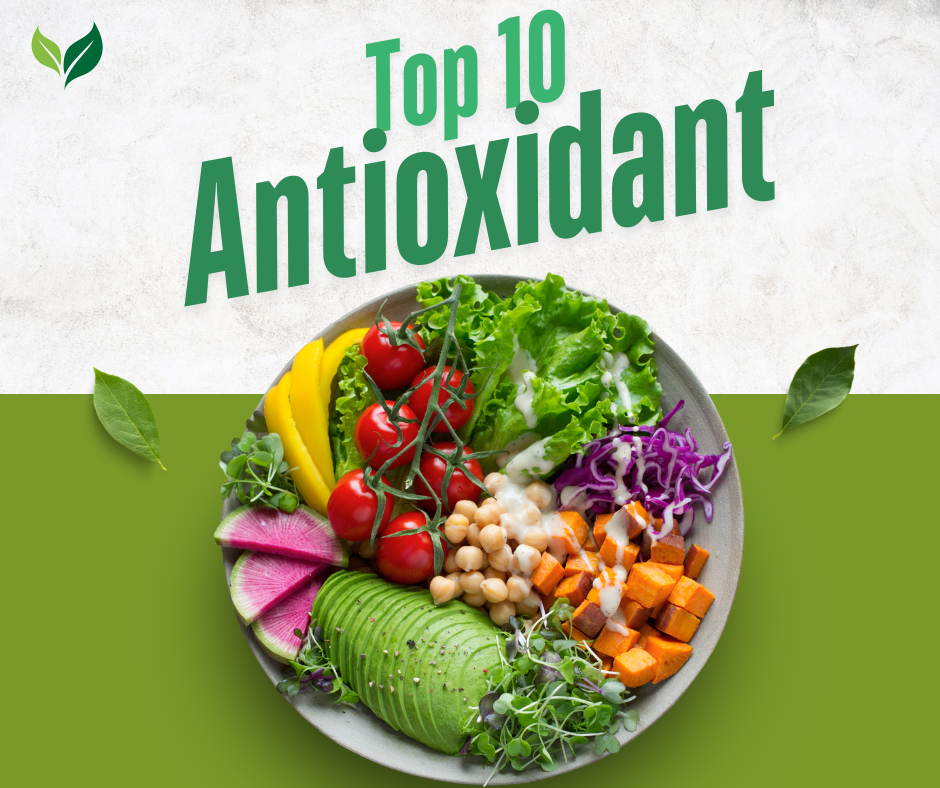
The Importance of Antioxidants: Protecting Your Cells and Promoting Overall Health
Antioxidants are essential compounds that play a crucial role in protecting our cells from damage caused by free radicals, which are unstable molecules that can contribute to cellular aging and the development of chronic diseases. By neutralizing free radicals, antioxidants help reduce oxidative stress, prevent inflammation, and support the body’s natural defense systems. A diet rich in antioxidant-packed vegetables is one of the most effective ways to boost immunity, fight inflammation, and lower the risk of developing conditions like heart disease, cancer, and diabetes.
Incorporating a variety of antioxidant-rich vegetables into your meals can provide numerous health benefits, including enhanced energy, improved immune function, and better overall well-being. These powerful vegetables are packed with key antioxidants such as vitamins C, E, A, and beta-carotene, as well as other beneficial compounds like flavonoids and carotenoids.
To help you get started, below are ten powerhouse vegetables loaded with antioxidants that you should consider adding to your daily diet. These vibrant and nutrient-dense options not only support long-term health but also make delicious additions to any meal plan.
1. Kale

Nutrient-Dense Superfood Packed with Vitamins and Antioxidants for Heart Health and Inflammation Reduction
Kale is widely regarded as one of the most nutrient-dense leafy greens available, offering an impressive array of essential vitamins and powerful antioxidants. This superfood is packed with vitamins A, C, and K, each playing a vital role in maintaining overall health. Vitamin A supports healthy vision and immune function, vitamin C boosts the immune system and promotes skin health, while vitamin K is crucial for proper blood clotting and bone health.
In addition to these essential vitamins, kale is rich in carotenoids and flavonoids, two groups of antioxidants known for their ability to neutralize free radicals and reduce oxidative stress in the body. By protecting cells from oxidative damage, these antioxidants help to prevent chronic diseases and promote healthy aging.
Kale’s powerful antioxidant profile also plays a key role in reducing inflammation, a major factor in the development of heart disease and other chronic conditions. Regular consumption of kale may help support heart health, improve digestion, and maintain healthy cholesterol levels.
Whether enjoyed raw in salads, blended into smoothies, or sautéed as a side dish, kale is a versatile addition to any meal. By adding kale to your diet, you’re giving your body a nutrient-packed boost that supports your overall health, reduces inflammation, and contributes to long-term wellness.
👉 How to eat: Blend it in smoothies, sauté with garlic, or add to salads.
🔗 Learn more about Kale
2. Spinach

A Nutrient-Packed Green Leafy Vegetable for Eye Health and Oxidative Stress Protection
Spinach is a highly nutritious green leafy vegetable known for its impressive array of health benefits. One of its standout features is its rich content of lutein and zeaxanthin, two powerful antioxidants that play a crucial role in supporting eye health. These natural compounds help protect the eyes from harmful blue light and reduce the risk of age-related macular degeneration, a leading cause of vision loss in older adults.
In addition to lutein and zeaxanthin, spinach is packed with vitamin C, beta-carotene, and a variety of other essential nutrients that help combat oxidative stress in the body. Vitamin C supports the immune system and promotes healthy skin, while beta-carotene (which the body converts into Vitamin A) contributes to healthy vision and skin protection. Together, these antioxidants work to neutralize free radicals and protect your cells from damage, reducing the risk of chronic diseases.
Spinach is also an excellent source of iron, folate, fiber, and vitamin K, which support everything from energy production to bone health. Whether enjoyed raw in salads, blended into smoothies, or cooked in soups and stir-fries, spinach is a versatile and delicious addition to any meal.
Including spinach in your daily diet can help promote healthy vision, reduce oxidative stress, and support overall well-being. With its rich nutrient profile, spinach is a simple and effective way to boost your health and protect your body from age-related damage.
👉 How to eat: Use in salads, omelets, or blend into green smoothies.
🔗 Learn more about Spinach
3. Red Cabbage
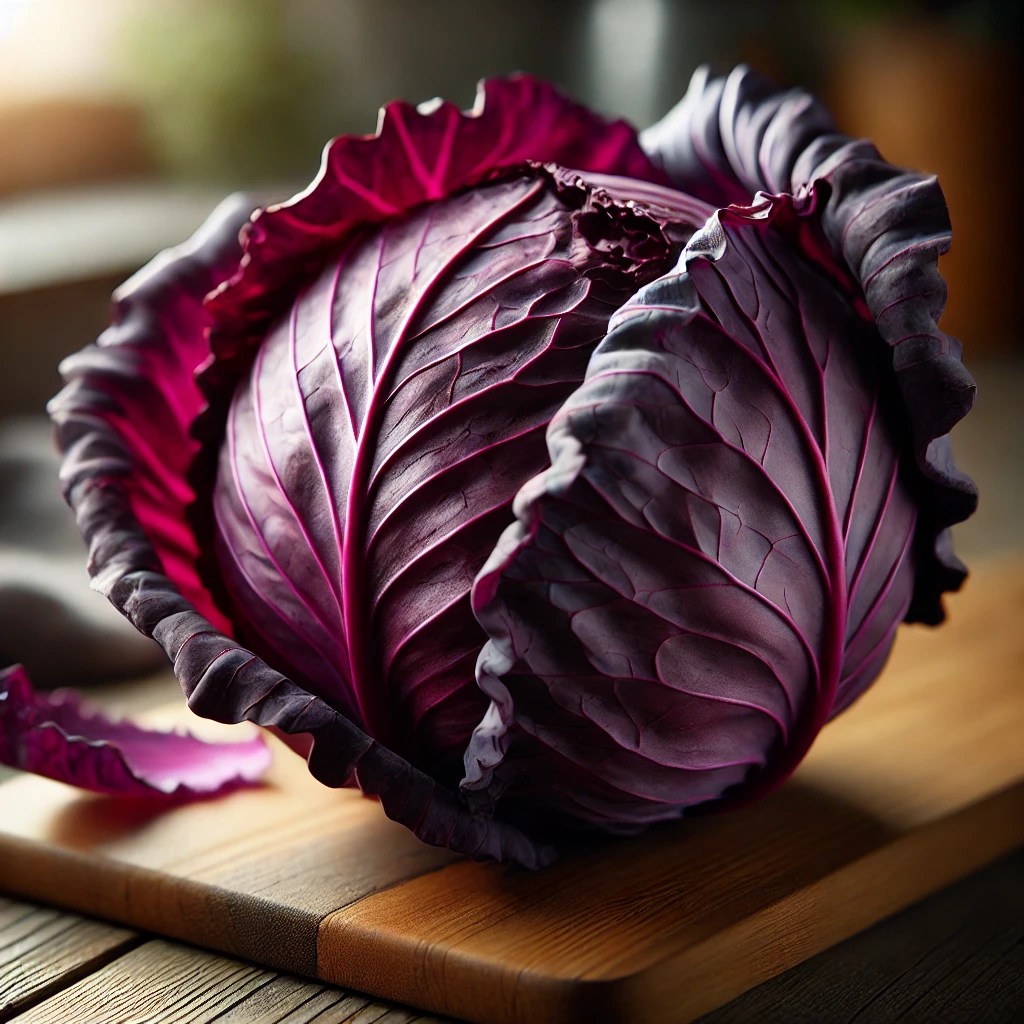
A Colorful Superfood Packed with Anthocyanins for Heart Health and Inflammation Reduction
Red cabbage is not only visually striking with its deep purple hue but also a nutritional powerhouse rich in anthocyanins, potent antioxidants that offer numerous health benefits. These powerful compounds are known for their ability to lower inflammation in the body, a key factor in preventing chronic conditions and maintaining overall health.
In addition to reducing inflammation, anthocyanins have been shown to help protect against heart disease by improving blood vessel function, reducing blood pressure, and enhancing circulation. The antioxidants in red cabbage also work to neutralize harmful free radicals, reducing oxidative stress and supporting healthy aging.
Red cabbage is also an excellent source of vitamin C, vitamin K, fiber, and folate, which all contribute to a stronger immune system, better digestion, and improved bone health. Whether eaten raw in salads, sautéed, or added to soups and stir-fries, red cabbage is a versatile and tasty way to boost your nutrient intake and support cardiovascular health.
Incorporating red cabbage into your diet regularly can help reduce the risk of heart disease, lower inflammation, and protect your cells from oxidative damage, making it a great addition to any health-focused meal plan.
👉 How to eat: Add it raw to salads, ferment into sauerkraut, or use in stir-fries.
🔗 Learn more about Red Cabbage
4. Artichokes

A Nutrient-Dense Vegetable Packed with Chlorogenic Acid for Disease Prevention
Artichokes are a highly nutritious vegetable that stands out for their impressive antioxidant content, particularly chlorogenic acid. This powerful natural compound offers numerous health benefits, making artichokes an excellent addition to any diet. Chlorogenic acid is known for its ability to help reduce the risk of chronic diseases such as type 2 diabetes, heart disease, and other cardiovascular conditions.
The antioxidant properties of chlorogenic acid work by neutralizing harmful free radicals in the body, which can cause oxidative stress and damage cells. By protecting cells from this damage, chlorogenic acid helps to maintain overall health and reduce the risk of developing serious health conditions over time.
In addition to chlorogenic acid, artichokes are rich in fiber, vitamin C, folate, and a variety of minerals, all of which contribute to digestive health, immune function, and general well-being. Artichokes are also known for supporting liver health by aiding in the detoxification process, further enhancing their role in promoting long-term health.
Whether steamed, boiled, or incorporated into salads and dips, artichokes are a delicious and versatile vegetable that can easily be added to a balanced diet. Regular consumption of artichokes can help improve your health, protect against chronic diseases, and contribute to better overall wellness.
👉 How to eat: Steam and dip in olive oil, or use in dips like artichoke spinach dip.
🔗 Learn more about Artichokes
5. Beets
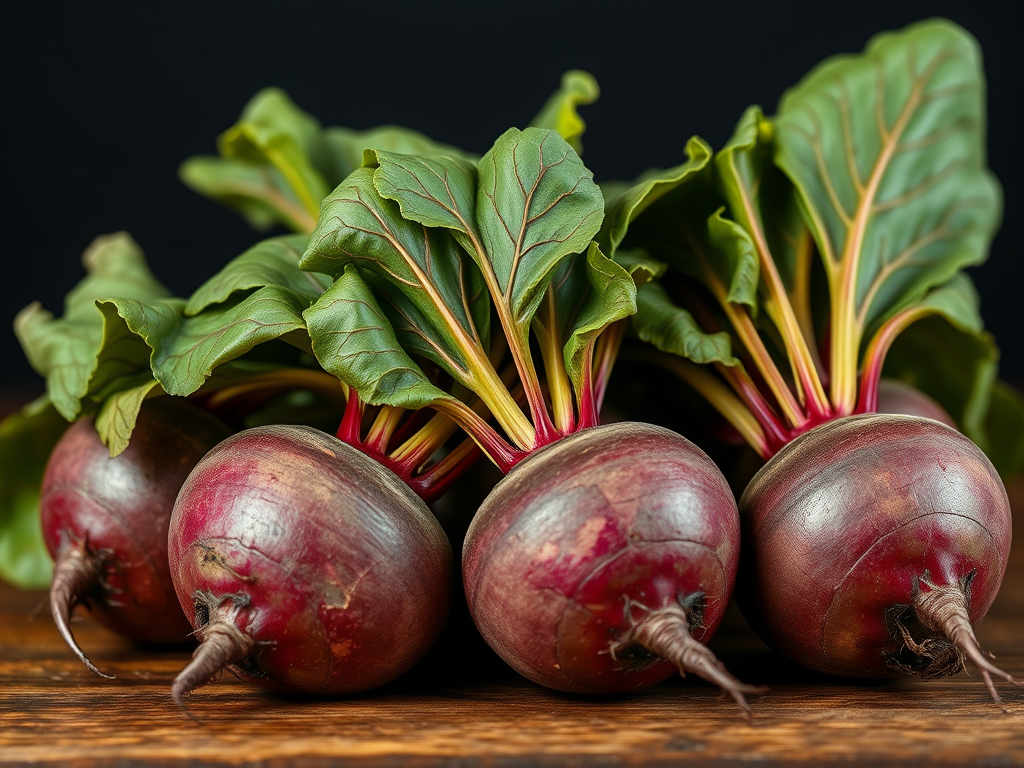
A Nutrient-Rich Superfood Packed with Betalains for Inflammation Reduction and Detoxification
Beets are a vibrant and nutrient-dense root vegetable known for their rich content of betalains, a group of powerful antioxidants with remarkable anti-inflammatory and detoxifying properties. These natural compounds help reduce inflammation throughout the body, which plays a key role in promoting overall health and preventing chronic diseases.
One of the standout benefits of betalains is their ability to support liver health. They aid in the detoxification process by helping the liver filter out toxins more effectively. This makes beets an excellent food choice for those looking to support their body’s natural cleansing systems and enhance their liver’s function. A healthy liver is crucial for metabolizing nutrients, filtering waste, and ensuring that the body remains in balance.
In addition to betalains, beets are also packed with fiber, vitamin C, folate, and potassium, all of which contribute to heart health, improved digestion, and overall well-being. Whether enjoyed roasted, boiled, juiced, or added to salads, beets are a versatile and tasty way to enrich your diet.
Including beets in your meals regularly can have a significant impact on your health by promoting a balanced system, reducing inflammation, and supporting liver function. Their detoxifying properties make them a powerful addition to any diet focused on improving overall wellness and maintaining long-term health.
👉 How to eat: Roast them, blend into smoothies, or add to salads.
🔗 Learn more about Beets
6. Broccoli
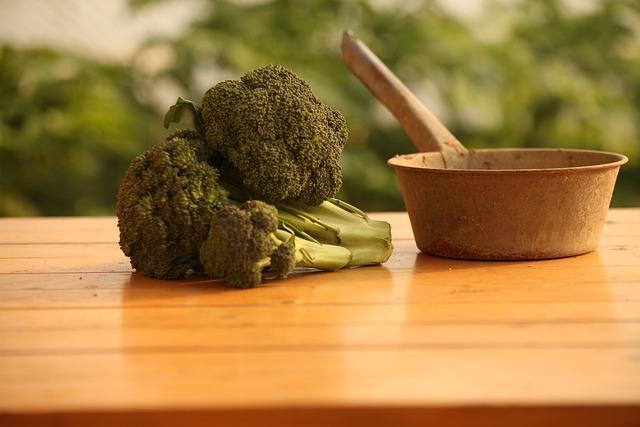
A Nutrient-Packed Superfood for Your Health
Broccoli, a member of the cruciferous vegetable family, is packed with essential nutrients and powerful antioxidants. One of its standout compounds is sulforaphane, a naturally occurring antioxidant known for its anti-inflammatory properties and potential cancer-fighting abilities. Research suggests that sulforaphane may help reduce inflammation in the body, which plays a significant role in preventing chronic diseases. Additionally, studies have shown that this powerful compound can help protect against the development of certain cancers by neutralizing free radicals and promoting healthy cell function.
Incorporating broccoli into your diet can provide a wealth of benefits, including boosting your immune system, improving digestion, and supporting overall health. Its high levels of vitamins such as Vitamin C, Vitamin K, and folate, along with fiber and minerals, make it an excellent choice for anyone seeking to improve their nutrition and well-being. Whether you enjoy it steamed, roasted, or raw, broccoli is a versatile vegetable that can easily be added to a variety of meals.
Including this nutrient-dense vegetable in your diet can not only enhance your health but may also contribute to long-term disease prevention.
👉 How to eat: Steam, stir-fry, or roast with garlic and lemon.
🔗 Learn more about Broccoli
7. Sweet Potatoes

A Delicious and Nutritious Root Vegetable
Sweet potatoes are a highly nutritious root vegetable packed with essential vitamins, minerals, and antioxidants. One of the key nutrients found in sweet potatoes is beta-carotene, a powerful antioxidant that plays a crucial role in supporting immune function and promoting vision health. Beta-carotene, which the body converts into Vitamin A, helps maintain healthy skin, strengthens the immune system, and supports the proper functioning of your eyes.
In addition to their beta-carotene content, sweet potatoes are an excellent source of fiber, Vitamin C, and potassium, all of which contribute to heart health, digestive health, and overall well-being. The high fiber content in sweet potatoes also helps regulate blood sugar levels, making them a great food choice for individuals looking to manage their weight or maintain stable energy levels throughout the day.
Sweet potatoes are incredibly versatile and can be enjoyed in a variety of ways—baked, roasted, mashed, or even incorporated into soups and salads. Their naturally sweet flavor and rich texture make them a favorite in both savory and sweet dishes. By adding sweet potatoes to your diet, you’re not only savoring a delicious food but also providing your body with a wealth of nutrients that can improve your health and vitality.
👉 How to eat: Bake, mash, or turn into sweet potato fries.
🔗 Learn more about Sweet Potatoes
8. Red Peppers
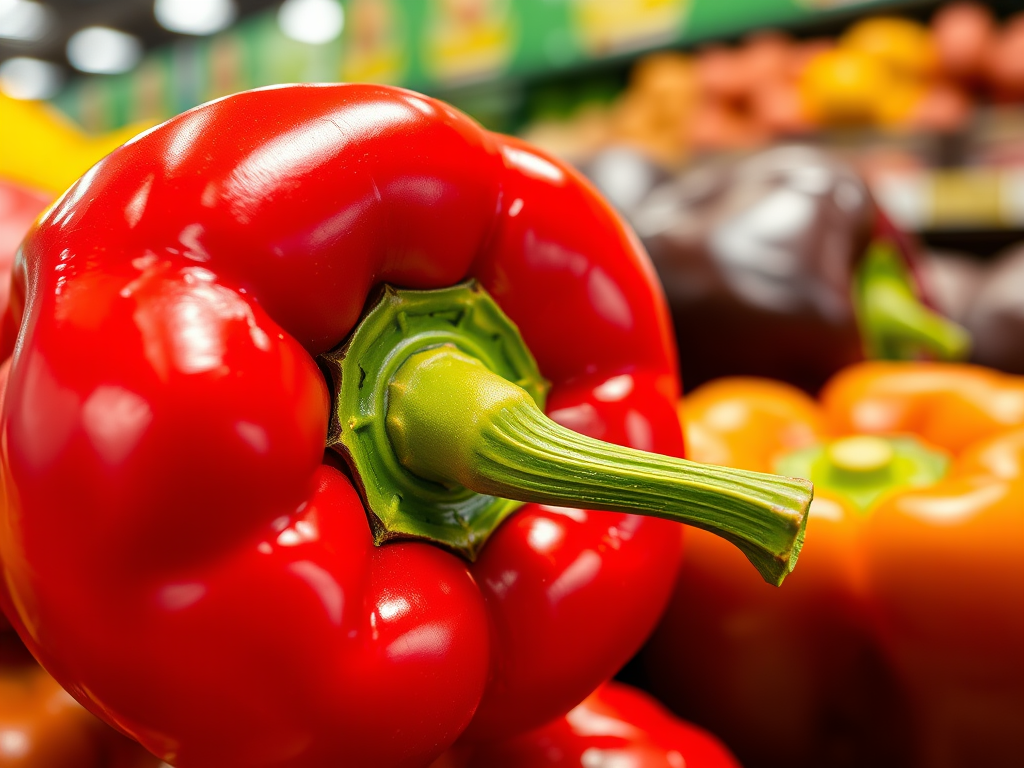
A Vibrant Source of Vitamin C and Antioxidants for Immune Support
Red peppers are not only a colorful addition to any dish but also a nutritional powerhouse packed with vitamin C and carotenoids—two essential nutrients that provide powerful health benefits. These vibrant peppers are one of the richest sources of vitamin C, a vital antioxidant that helps strengthen the immune system, supports collagen production for healthy skin, and promotes overall cellular health.
In addition to their high vitamin C content, red peppers are rich in carotenoids, including beta-carotene and lycopene, which are known for their ability to protect cells from oxidative damage caused by free radicals. This protection is crucial in reducing the risk of chronic diseases and maintaining healthy aging.
Red peppers also offer a wealth of other nutrients, including fiber, vitamin A, and folate, making them an excellent addition to a well-rounded diet. Whether eaten raw in salads, roasted, or added to stir-fries, red peppers are a versatile and delicious way to boost your intake of vitamins and antioxidants.
By incorporating red peppers into your meals, you’re not only enhancing the flavor of your dishes but also providing your body with powerful immune-boosting and anti-aging benefits that contribute to your long-term health and well-being.
👉 How to eat: Eat raw in salads, grill, or roast in dishes.
🔗 Learn more about Red Peppers
9. Carrots
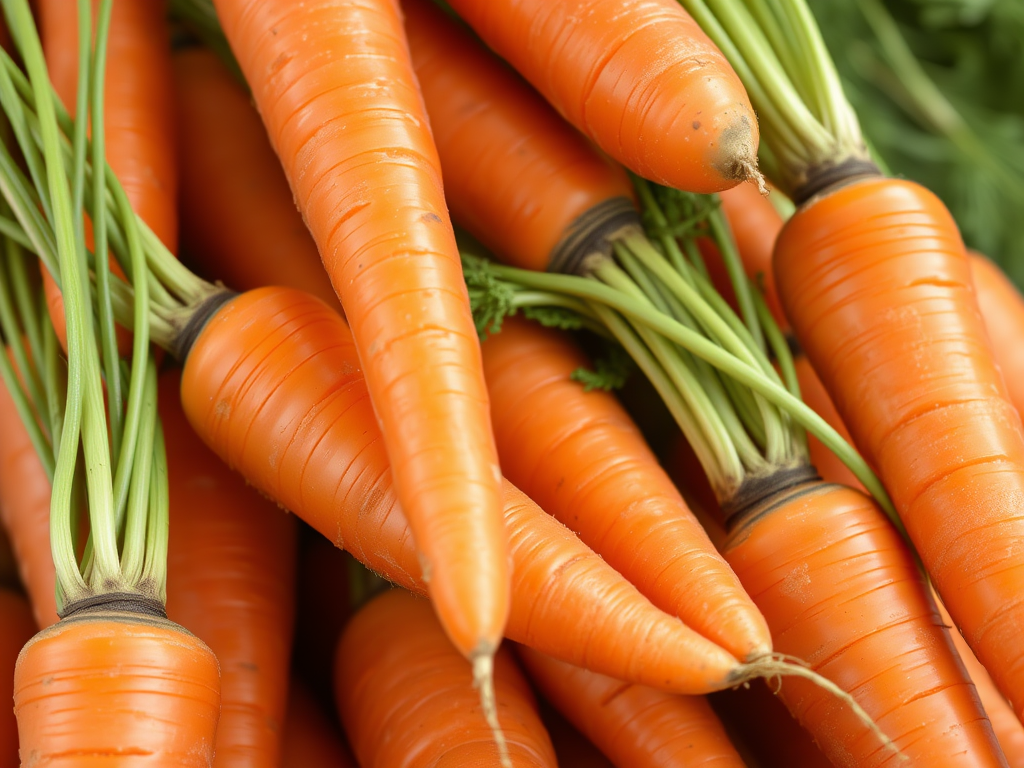
A Crunchy Source of Beta-Carotene for Healthy Skin and Vision
Carrots are a nutritious, crunchy root vegetable that offer a wealth of health benefits, primarily due to their high content of beta-carotene, a powerful antioxidant that is crucial for promoting healthy skin and maintaining vision health. Beta-carotene, which the body converts into Vitamin A, plays a significant role in protecting your skin from damage and supporting healthy, radiant skin. It also helps maintain optimal eye health by preventing conditions like night blindness and age-related macular degeneration.
Beyond beta-carotene, carrots are also a good source of fiber, vitamin K, and potassium, which help support digestive health, improve heart function, and regulate blood pressure. The natural sweetness and crisp texture of carrots make them a versatile vegetable, perfect for snacking, adding to salads, or incorporating into soups, stews, and roasted dishes.
By adding carrots to your daily diet, you’re giving your body a natural boost of antioxidants that help protect your cells, support your immune system, and promote overall well-being. Whether you enjoy them raw, cooked, or juiced, carrots are an easy and delicious way to improve your skin and vision health.
👉 How to eat: Snack on raw sticks, juice them, or add to soups.
🔗 Learn more about Carrots
10. Brussels Sprouts
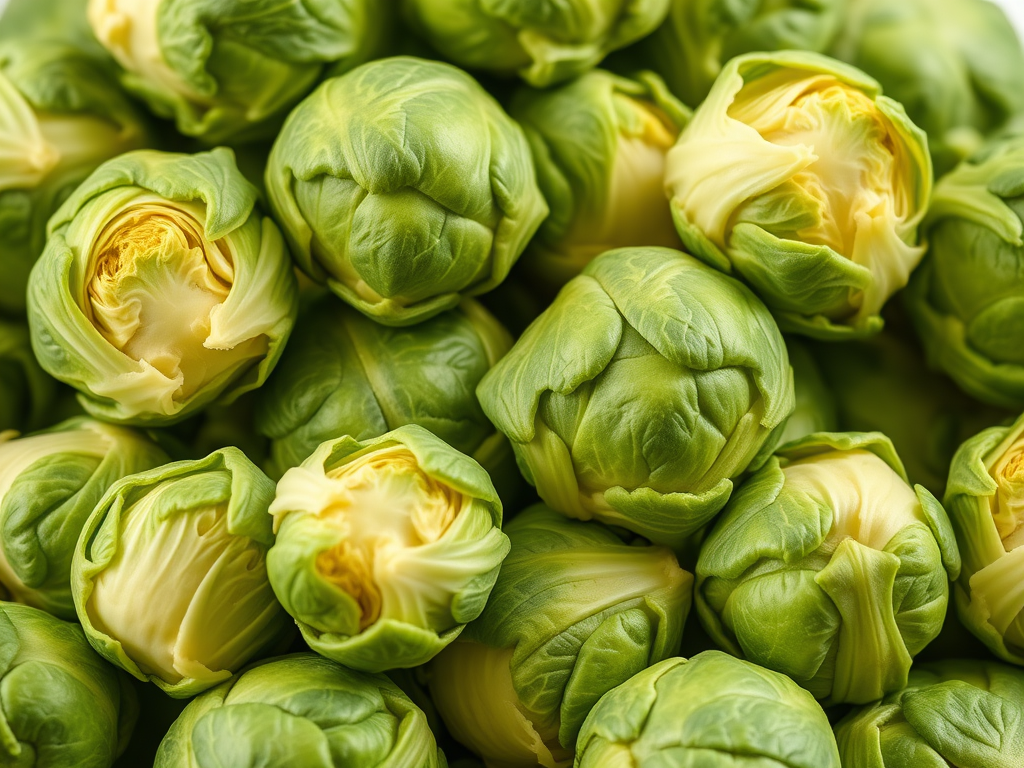
A Tiny Powerhouse of Kaempferol for Heart Health and Inflammation Reduction
Brussels sprouts, often referred to as mini cabbages, are a nutrient-dense vegetable that offers numerous health benefits. One of the key compounds found in Brussels sprouts is kaempferol, a potent antioxidant known for its ability to reduce inflammation and support heart health. By fighting inflammation, kaempferol helps lower the risk of chronic diseases, including cardiovascular conditions, and promotes overall well-being.
In addition to kaempferol, Brussels sprouts are packed with essential nutrients like vitamin C, vitamin K, fiber, and folate, making them an excellent addition to any diet. The high fiber content supports healthy digestion and helps regulate blood sugar levels, while the vitamins and minerals play a crucial role in strengthening the immune system and promoting bone health.
Brussels sprouts are incredibly versatile, whether you choose to roast, steam, or sauté them. They pair well with a variety of dishes, adding a rich flavor and a boost of nutrients. By including Brussels sprouts in your meals, you’re not only enjoying a delicious vegetable but also providing your body with antioxidants that help protect your cells, reduce inflammation, and support heart health.
👉 How to eat: Roast with olive oil and balsamic glaze or sauté with garlic.
🔗 Learn more about Brussels Sprouts
Final Thoughts: Boost Your Health with Antioxidant-Rich Vegetables
Incorporating antioxidant-rich vegetables into your daily diet can have a profound impact on your overall health and well-being. These nutrient-dense vegetables provide a wealth of essential vitamins, minerals, and protective compounds that help your body stay strong, resilient, and free from the harmful effects of oxidative stress. Whether enjoyed raw, cooked, or blended into smoothies and meals, these vibrant vegetables offer versatile and delicious ways to nourish your body.
By regularly consuming a variety of antioxidant-packed vegetables, you can support your immune system, reduce inflammation, improve heart health, and lower the risk of chronic diseases. The combination of vitamins, minerals, and antioxidants in these vegetables works together to protect your cells from damage, promote healthy aging, and contribute to a more vibrant, active lifestyle.
So, make sure to add these powerhouse vegetables to your diet and enjoy the lasting health benefits they provide. Your body will thank you for it!
Which of these veggies is your favorite? Let us know in the comments below! 👇

Leave a comment