Sweet potatoes are often regarded as a superfood, and for good reason. These vibrant, orange tubers are not only delicious but packed with essential nutrients that can benefit your overall health. Whether you enjoy them baked, mashed, or roasted, sweet potatoes are a versatile ingredient that can be easily incorporated into your meals. Here’s why you should consider making them a regular part of your diet.

Nutrient-Rich Superfood
Sweet potatoes are a great source of essential vitamins and minerals. Just one medium-sized sweet potato can provide more than 100% of your daily recommended intake of vitamin A, which is important for maintaining healthy vision, immune function, and skin health. They are also rich in vitamin C, manganese, and potassium, which are key nutrients that support overall well-being.
Packed with Antioxidants
One of the most notable benefits of sweet potatoes is their high antioxidant content. The vibrant orange color of sweet potatoes comes from beta-carotene, a powerful antioxidant that helps protect your body from free radicals. Free radicals are unstable molecules that can cause oxidative stress and damage cells, leading to aging and disease. Antioxidants, like those found in sweet potatoes, help neutralize these free radicals, reducing inflammation and supporting long-term health.
Supports Digestive Health
Sweet potatoes are a fantastic source of dietary fiber, which is important for maintaining healthy digestion. Fiber helps to promote regular bowel movements, prevent constipation, and maintain a healthy gut microbiome. Consuming fiber-rich foods like sweet potatoes can also help you feel full longer, making them a great choice for those looking to manage their weight.
Stabilizes Blood Sugar Levels
Despite their sweetness, sweet potatoes have a low glycemic index, meaning they have a minimal impact on blood sugar levels compared to other starchy foods. This makes them an excellent choice for individuals managing diabetes or those looking to maintain stable energy levels throughout the day. The fiber in sweet potatoes also helps slow the absorption of sugar into the bloodstream, preventing blood sugar spikes and crashes.
Boosts Immune Function
Sweet potatoes are packed with vitamin A, which plays a crucial role in supporting your immune system. Vitamin A helps maintain the integrity of the skin and mucosal barriers, which are your first line of defense against harmful pathogens. It also supports the production of white blood cells, which help fight off infections. Regular consumption of sweet potatoes can help strengthen your immune system and keep you healthier year-round.
Promotes Healthy Skin
The combination of beta-carotene and vitamin C in sweet potatoes is great for your skin. Beta-carotene helps protect the skin from sun damage, while vitamin C is essential for collagen production, which helps keep your skin firm and youthful. Including sweet potatoes in your diet can promote a glowing complexion and reduce signs of aging.
How to Buy Sweet Potatoes: A Professional Guide for Selecting the Best
Sweet potatoes are a nutrient-dense and versatile food, but choosing the best ones can be tricky if you don’t know what to look for. Whether you’re making a healthy side dish or preparing a nutritious meal, buying high-quality sweet potatoes is essential for ensuring optimal flavor and nutrition. In this professional guide, we’ll walk you through everything you need to know about selecting the perfect sweet potatoes at the store or market.
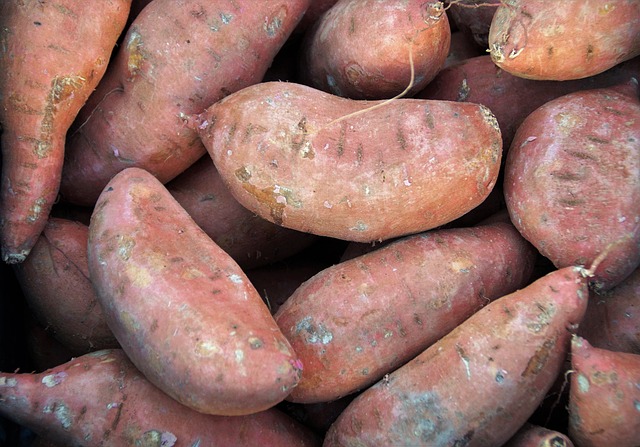
1. Understand the Different Types of Sweet Potatoes
Sweet potatoes come in several varieties, each with its own flavor, texture, and color. The most common types include:
- Orange-fleshed sweet potatoes: These are the most widely available and are often used in savory dishes or sweet desserts. They have a rich, creamy texture when cooked.
- Purple-fleshed sweet potatoes: These have a slightly firmer texture and a mildly sweet taste. The flesh is vibrant purple, making them an attractive addition to meals.
- White-fleshed sweet potatoes: These are less sweet than the orange variety and have a drier, more starchy texture. They’re often used in savory dishes like mashed potatoes.
Knowing the variety you prefer or need for your recipe can help you narrow down your options when shopping.
2. Look for Firmness and Smooth Skin
When buying sweet potatoes, choose ones that are firm to the touch. A sweet potato should feel solid without any soft spots or bruises. Gently squeeze the sweet potato to check for any signs of softness, which could indicate overripeness or spoilage.
The skin should be smooth and free of wrinkles, cracks, or dark spots. Minor blemishes can often be peeled off, but deep cuts or scars could affect the taste and texture of the sweet potato. Also, avoid sweet potatoes with green skin, as this may indicate they have been exposed to too much sunlight and could have a bitter taste.
3. Check for Proper Size and Shape
Sweet potatoes come in a variety of sizes, but generally, look for medium-sized tubers that are consistent in shape. Larger sweet potatoes may have a stringy texture, while very small ones can be harder to peel and prepare. Medium-sized sweet potatoes are usually the most versatile and can be used in a wide range of dishes.
The shape is also important. Ideally, look for sweet potatoes that have a uniform, cylindrical shape, as they are easier to peel and cook evenly. Avoid those with overly curved or irregular shapes, as they may be difficult to work with in recipes that require even slicing or cooking.
4. Choose the Right Storage and Handling
Once you’ve selected your sweet potatoes, it’s essential to store them properly to ensure they stay fresh. Keep sweet potatoes in a cool, dry, and well-ventilated space, away from direct sunlight. A pantry or cellar is usually the best place for storing sweet potatoes, as they thrive in temperatures between 55°F and 60°F (13°C to 16°C).
Avoid refrigerating sweet potatoes, as this can cause their starches to turn into sugars, resulting in an unpleasant taste and texture. Also, be sure to handle sweet potatoes gently when transporting them home to prevent bruising or damage.
5. Be Mindful of Organic vs. Conventional Sweet Potatoes
If you’re concerned about pesticides and chemicals, consider purchasing organic sweet potatoes. Organic sweet potatoes are grown without synthetic fertilizers or pesticides, making them a healthier choice for those looking to reduce their exposure to chemicals. While they may cost a little more, many people prefer the peace of mind that comes with buying organic produce.
If organic options are unavailable or too expensive, thoroughly wash and peel conventional sweet potatoes to reduce pesticide residues before cooking.
6. Where to Buy Sweet Potatoes
Sweet potatoes can be found at most grocery stores, farmers’ markets, and specialty food stores. Here are a few tips on where to buy them:
- Grocery Stores: Major supermarkets usually carry a variety of sweet potatoes in both the produce and organic sections. Look for stores that have a well-stocked produce section for the best quality.
- Farmers’ Markets: Purchasing sweet potatoes from local farmers’ markets can often result in fresher, higher-quality options, especially if they’re grown locally. You can also ask the vendor about their growing practices.
- Health Food Stores: Natural or health food stores often offer organic sweet potatoes, which can be a great choice if you’re looking for produce grown without pesticides.
7. When to Buy Sweet Potatoes
Sweet potatoes are available year-round, but their peak season is typically from October to December, when they are freshest. During this time, you can find the best selection at grocery stores and markets, often at better prices.
8. Signs That Sweet Potatoes Are Overripe
Even though sweet potatoes can last for several weeks when stored correctly, it’s important to know when they have gone bad. Look out for these signs:
- Soft spots or mushiness: These indicate overripeness or rotting.
- Sprouting: While small sprouts can be trimmed off, large sprouts or growths suggest the sweet potato is past its prime.
- Wrinkled or discolored skin: While some skin imperfections are normal, excessive wrinkles or discoloration may signal the sweet potato is no longer fresh.
Buying the perfect sweet potato involves knowing what to look for in terms of size, shape, and quality. By choosing firm, smooth, and blemish-free sweet potatoes, you ensure a delicious, nutritious addition to your meals. Whether you’re purchasing organic or conventional varieties, proper storage and handling can help keep your sweet potatoes fresh for longer. With these professional tips, you’ll be able to make the best selection every time, ensuring a healthy and flavorful ingredient for your cooking.
How to Enjoy Sweet Potatoes
Sweet potatoes are incredibly versatile and can be enjoyed in a variety of ways. Here are a few ideas:
- Baked: Simply bake whole sweet potatoes in the oven, and enjoy them with a drizzle of olive oil or a sprinkle of cinnamon for a satisfying snack or side dish.
- Mashed: Mash sweet potatoes with a bit of butter, garlic, or herbs for a creamy side dish.
- Roasted: Cut sweet potatoes into cubes and roast them with olive oil and your favorite spices for a crispy, flavorful treat.
- In Soups and Stews: Add cubed sweet potatoes to soups and stews for a hearty, nutritious meal.
- Sweet Potato Fries: For a healthier alternative to regular fries, cut sweet potatoes into thin slices, toss them with olive oil and seasoning, and bake them until crispy.

Conclusion: Why Sweet Potatoes Are Essential for Your Diet
Sweet potatoes are far more than just a delicious and comforting food. They are a nutritional powerhouse packed with vitamins, minerals, fiber, and antioxidants that offer a wide range of health benefits. By adding sweet potatoes to your diet, you’re not only enjoying their rich, natural sweetness but also boosting your immune system, promoting digestive health, supporting skin health, and helping to stabilize blood sugar levels.
Whether you prefer the classic orange-fleshed variety or you opt for purple or white-fleshed options, sweet potatoes are an incredibly versatile ingredient that can be prepared in countless ways. From roasting to mashing, baking, or adding to soups, these root vegetables are easy to incorporate into your meals.
The best part is that sweet potatoes are nutrient-dense, meaning they provide significant health benefits without the need for large portions. Their high fiber content helps keep you full and satisfied, making them an excellent choice for anyone looking to maintain a healthy weight or manage their blood sugar levels. Additionally, the antioxidants found in sweet potatoes, like beta-carotene, help combat oxidative stress and inflammation, which can contribute to long-term health and vitality.
So, whether you’re planning a family dinner, preparing a meal for yourself, or cooking for a special occasion, don’t forget to include sweet potatoes. Their nutritional value, versatility, and natural sweetness make them a must-have in any healthy, balanced diet. The next time you’re at the store or market, remember these tips to help you select the freshest, highest-quality sweet potatoes available. Enjoy the numerous health benefits they offer, and savor the delicious flavors they bring to your table.
Do you include sweet potatoes in your diet? Share your favorite way to enjoy them in the comments below!


Leave a comment