Last Edited: March 19th, 2025
Kale is one of the most nutrient-dense leafy greens, packed with essential vitamins, minerals, and powerful antioxidants that promote overall health and wellness. This superfood is a must-have in any balanced diet, offering a wide range of benefits, from boosting immunity and improving heart health to reducing inflammation and supporting digestion.
Rich in vitamins A, C, and K, along with fiber, calcium, and disease-fighting antioxidants, kale is a nutritional powerhouse that can help enhance energy levels, protect against chronic diseases, and support weight management. Whether you’re looking to improve your diet, strengthen your immune system, or simply add more greens to your meals, kale is the perfect choice.
Discover how to incorporate kale into your daily routine and unlock its full health benefits! 💚 #Superfood #HealthyEating
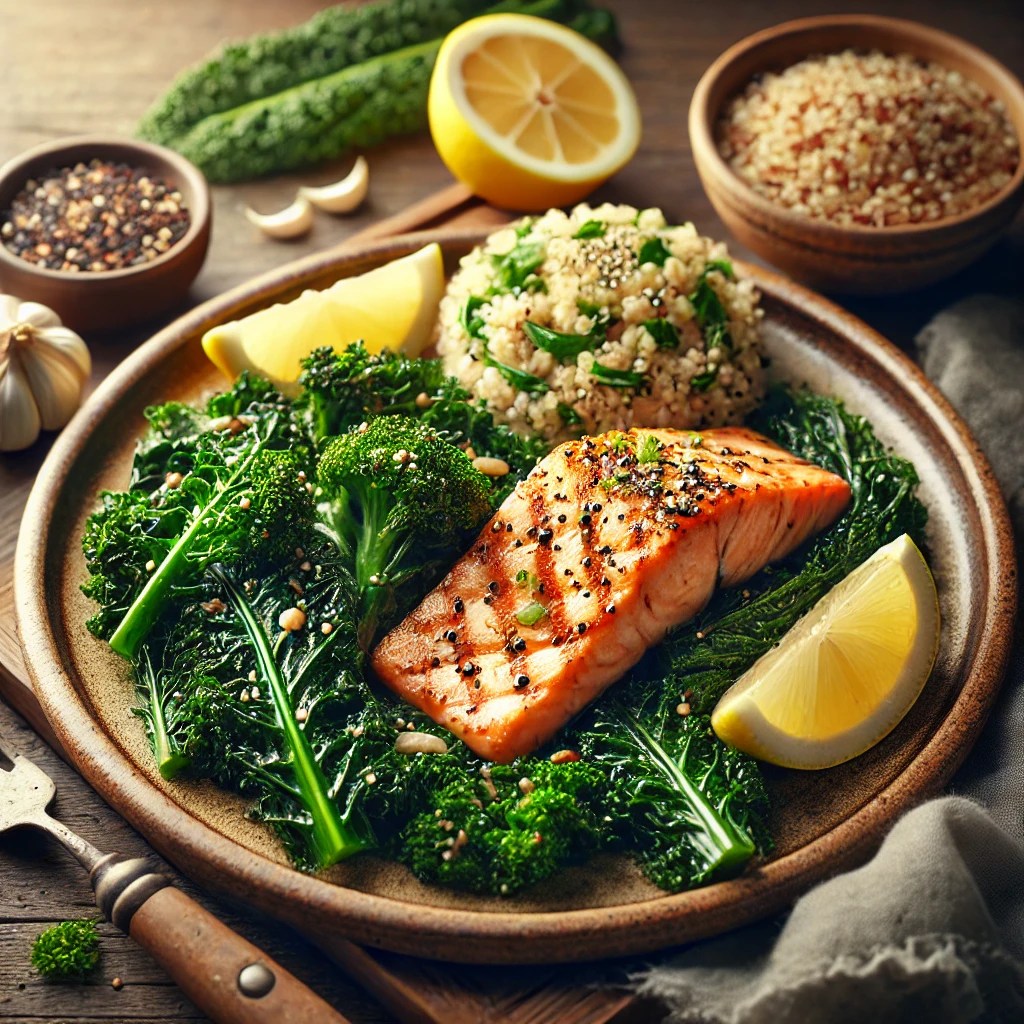
Top Health Benefits of Kale
✅ Rich in Essential Vitamins & Minerals
Kale is an excellent source of vitamin A, which supports eye health, vitamin C, which boosts immunity and promotes collagen production, and vitamin K, which plays a crucial role in bone health and blood clotting. It also contains calcium, potassium, and magnesium, all essential for maintaining strong bones and a healthy heart.
✅ High in Antioxidants
This leafy green is packed with carotenoids and flavonoids, powerful antioxidants that help protect the body from oxidative stress and neutralize harmful free radicals. Antioxidants are essential for reducing inflammation, preventing cell damage, and lowering the risk of chronic diseases like cancer and heart disease.
✅ Supports Heart Health & Lowers Cholesterol
Kale contains fiber and bile acid sequestrants, which help lower bad cholesterol (LDL) levels and support cardiovascular health. According to research, consuming kale regularly can contribute to a healthier heart by improving cholesterol ratios and reducing the risk of heart disease.
✅ Promotes Gut & Digestive Health
Being a great source of fiber and water, kale helps promote digestive regularity and supports a healthy gut microbiome. The fiber content aids digestion, prevents constipation, and keeps your digestive system functioning optimally.
✅ May Help with Weight Management
Low in calories yet highly nutritious, kale is an excellent addition to a weight-loss-friendly diet. Its high fiber content helps you stay full for longer, reducing cravings and supporting healthy weight management.
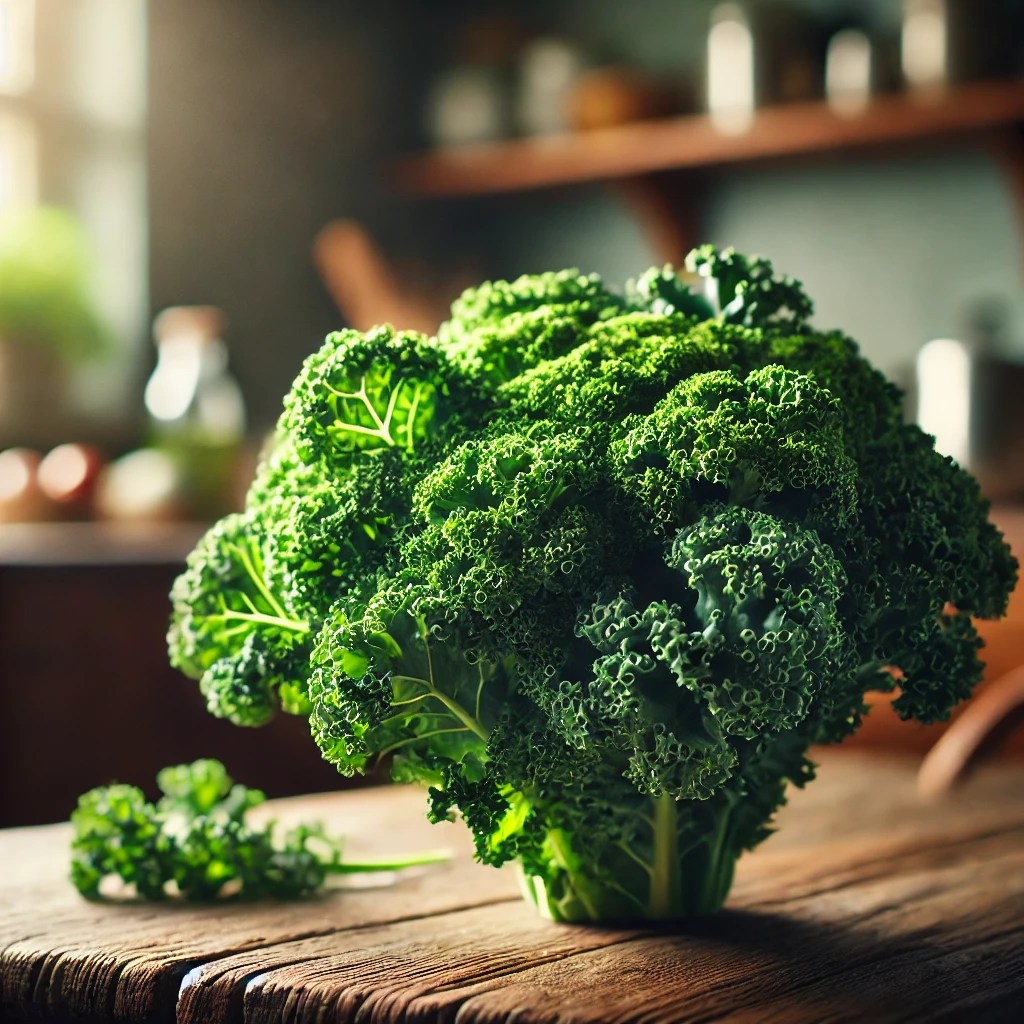
How to Include Kale in Your Diet
Not sure how to eat kale? Here are some simple and delicious ways to enjoy this powerhouse green:
🥤 Blend it in smoothies – Add a handful of kale to your morning smoothie for an easy nutrient boost. Try this kale smoothie recipe.
🍲 Sauté with garlic and olive oil – A quick sauté with garlic, olive oil, and a pinch of salt makes a tasty and nutritious side dish. Check out this easy sautéed kale recipe.
🥗 Add to salads – Chop fresh kale and mix it with your favorite salad ingredients. For better texture, massage the leaves with a little olive oil to soften them. Try this kale salad recipe.
🥣 Use in soups and stews – Kale adds extra nutrients and flavor to soups and stews. Toss it into your favorite broth-based soup, like this kale and white bean soup.
🥪 Make kale chips – For a healthy snack, bake kale leaves with a drizzle of olive oil and a sprinkle of sea salt. Here’s a simple kale chips recipe.
Potential Allergies and Contraindications 🌿⚠️
While kale is generally safe and packed with nutrients for most people, there are a few things to consider:
Allergies 🧑⚕️: Some individuals may have a sensitivity or allergy to cruciferous vegetables like kale. Symptoms of an allergic reaction can range from mild itching or swelling to more severe issues like difficulty breathing. If you think you may be allergic to kale, it’s always a good idea to consult a healthcare professional.
Thyroid Health 🦋: Kale contains goitrogens, compounds that can interfere with iodine uptake and affect thyroid function. If you have thyroid issues, particularly hypothyroidism, it’s important to consume kale in moderation and consult your doctor to make sure it won’t affect your thyroid health.
Blood Thinners 💉: Kale is rich in Vitamin K, which is essential for blood clotting. If you’re on blood-thinning medications like warfarin, be cautious about consuming large amounts of kale. Too much Vitamin K may interfere with the effectiveness of these meds. It’s a good idea to keep your Vitamin K intake consistent and consult your healthcare provider for personalized advice.
As with any food 🥗, always listen to your body. If you experience any issues after eating kale, consider cutting back and seeking medical advice if necessary.
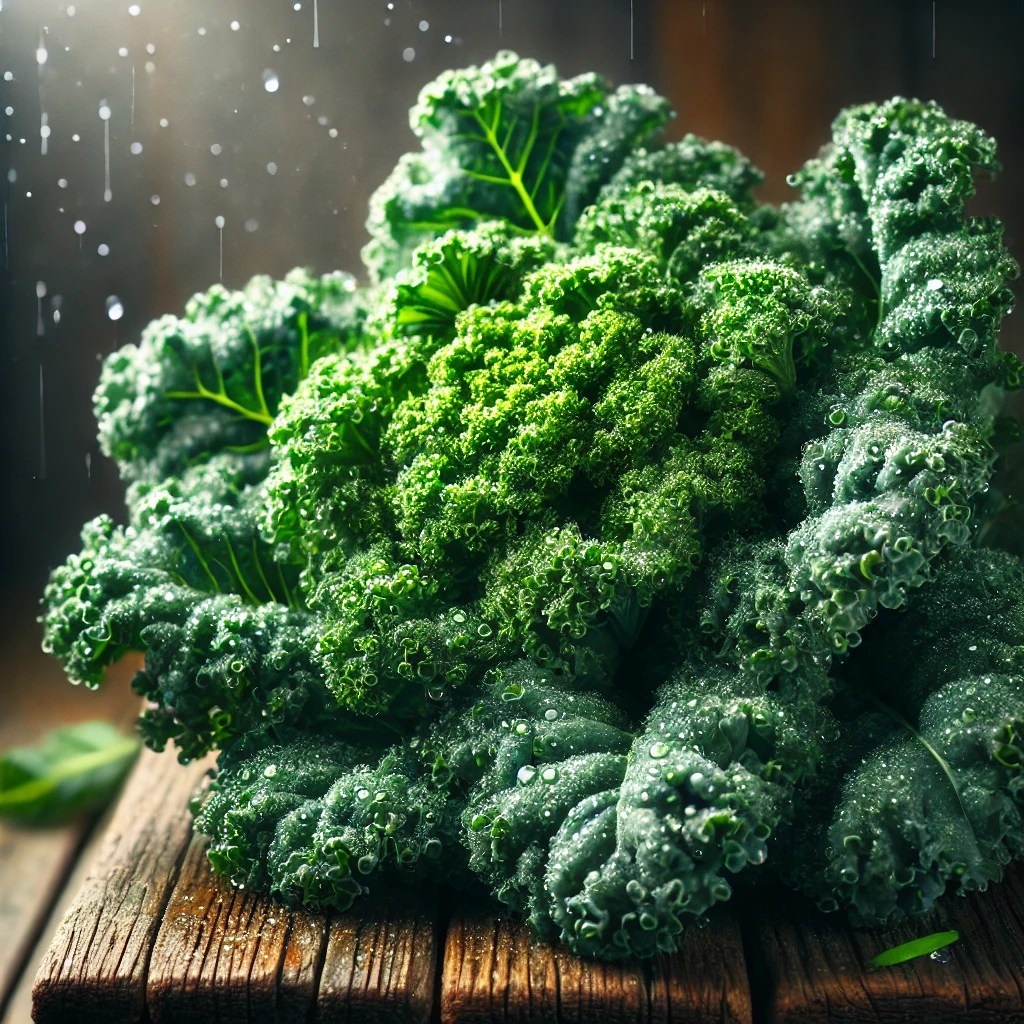
Conclusion: Why You Should Start Eating Kale Today!
Kale is more than just a leafy green—it’s a nutrient-dense superfood packed with essential vitamins, antioxidants, and fiber that can significantly benefit your health. From supporting heart health and boosting immunity to reducing inflammation and promoting digestion, this powerhouse vegetable is a must-have in any balanced diet.
The best part? Kale is incredibly versatile and easy to incorporate into your meals. Whether you blend it into smoothies, toss it into salads, sauté it with garlic, or add it to soups and stews, there are endless delicious ways to enjoy its health benefits.Start adding kale to your diet today and take a step toward a healthier, more vibrant lifestyle!


Leave a comment